Norms Impact
Influencer Paid by Russia Added to White House Press Pool
The White House is reshaping presidential access by sidelining independent wire reporting while elevating an influencer network tied to a Russia-funded propaganda operation into the press pool.
Mar 28, 2025
⚖ Legal Exposure
Sources
Summary
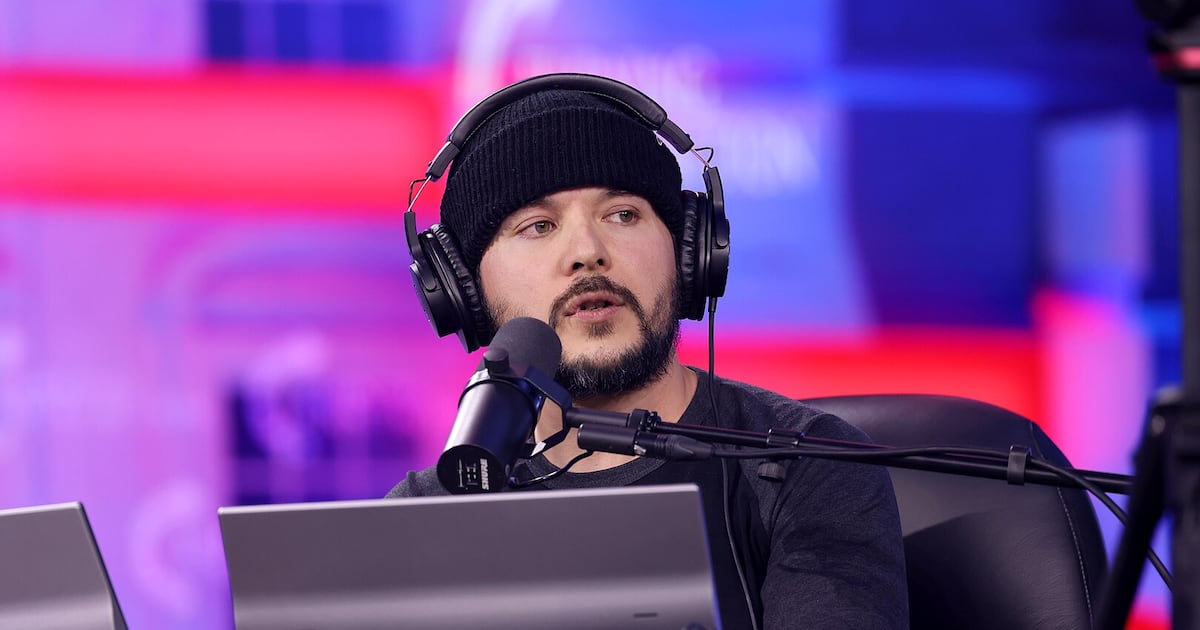
The White House press pool added a representative from Tim Pool’s “Timcast” YouTube channel, after Pool was paid $100,000 per episode through a company secretly funded by Russian state media employees during the 2024 election. The White House stripped the Washington press corps of its authority over pool selection while excluding the Associated Press from pool access and Air Force One travel. Our shared capacity to obtain accurate, independent information about presidential actions is weakened when access is redistributed from institutional press to sympathetic influencers and critics are barred.
Reality Check
Weaponizing press access to punish disfavored reporting and reward aligned voices sets a precedent that erodes our ability to hold the presidency accountable and, ultimately, weakens the rights we depend on to know what government is doing in our name. On these facts, the core conduct looks less like a clean criminal case and more like a corrosive abuse of institutional power: selecting pool access based on loyalty while excluding a major wire service for refusing a mandated political renaming. The most direct federal criminal theories—like conspiracy against rights under 18 U.S.C. § 241 or deprivation of rights under 18 U.S.C. § 242—are unlikely to fit without clearer evidence of willful rights deprivation beyond access control. Even if not criminal, it collides with core anti-retaliation norms in democratic governance by converting a public accountability mechanism into a tool of narrative management.
Legal Summary
The main exposure reflected here is an investigative red flag: a high-profile influencer previously paid via an allegedly Russian-funded media operation is granted White House press-pool access amid irregular, politicized pool-selection changes. The article does not allege an agreement or exchange linking money to a specific official act by U.S. officials, so the corruption theory is presently procedural/structural-risk rather than charge-ready bribery. Foreign-agent registration or conspiracy theories would require proof of direction/control and knowing participation not alleged in the article.
Legal Analysis
<h3>18 U.S.C. § 201 — Bribery of public officials / illegal gratuities</h3><ul><li>The article describes Pool being paid large sums through a media entity allegedly funded by Russian state media employees, and separately being added to the White House press pool after the White House took control of pool selection.</li><li>No facts in the article tie any payment (Russian-linked or otherwise) to a specific U.S. official action (e.g., Pool’s press-pool access) via an agreement, request, or exchange; the temporal/structural linkage is not alleged as a transaction with U.S. officials.</li><li>Absent an alleged quid pro quo involving a U.S. public official, the statutory “official act” exchange element is presently a gap.</li></ul><h3>18 U.S.C. § 371 — Conspiracy to defraud the United States</h3><ul><li>The indictment described in the article alleges a covert foreign-funded influence operation to “amplify domestic divisions,” which can overlap with “defraud” theories where governmental functions are impaired through deceit.</li><li>However, the article states Pool and other influencers were characterized by officials as “unwitting,” and it does not allege Pool agreed to conceal foreign direction or to obstruct a specific federal function.</li></ul><h3>22 U.S.C. § 611 et seq. (FARA) — Acting as an unregistered agent of a foreign principal</h3><ul><li>Large compensation and dissemination of content by an entity allegedly secretly funded by Russian state media employees raises investigative interest in whether any person acted “at the order, request, or under the direction or control” of a foreign principal.</li><li>The article explicitly reports officials saying Pool was “unwitting” and that his show was produced without external input, leaving key “direction/control” and knowledge elements unalleged.</li></ul><h3>Federal ethics/administrative integrity (press access / viewpoint-based exclusion)</h3><ul><li>The White House’s asserted removal of press-corps control over pool selection, coupled with exclusion of AP and inclusion of sympathetic influencers, reflects procedural/political irregularity and potential abuse of access rules.</li><li>These facts suggest governance and fairness concerns but do not, on the article’s facts, establish a money-for-official-action corruption structure.</li></ul><b>Conclusion:</b> The article presents serious investigative red flags around foreign-funded influence and politicized access decisions, but it does not allege a transactional quid-pro-quo between payments and U.S. official action sufficient to characterize prosecutable structural public-corruption bribery on these facts.
Media
Detail
<p>On Friday, a representative from Tim Pool’s “Timcast” YouTube channel is scheduled to serve in the White House press pool covering President Donald Trump, according to a social media post by Will Sommer of The Bulwark. The development follows the White House removing the Washington, D.C. press corps’ role in deciding which correspondents participate in the daily pool rotation.</p><p>The change has enabled the White House to include podcasters and influencers while barring the Associated Press from pool participation and travel with Air Force One. Pool was among six conservative influencers featured by Tenet Media, a Tennessee-based company described in a September criminal indictment as secretly funded by Russian state media employees. The indictment charged two Russian media executives with allegedly funneling $10 million to Tenet to pay personalities to amplify domestic divisions by repeating Kremlin-aligned talking points. Pool said he and other personalities were deceived and produced the show without external input; officials described them as “unwitting.”</p>