Norms Impact
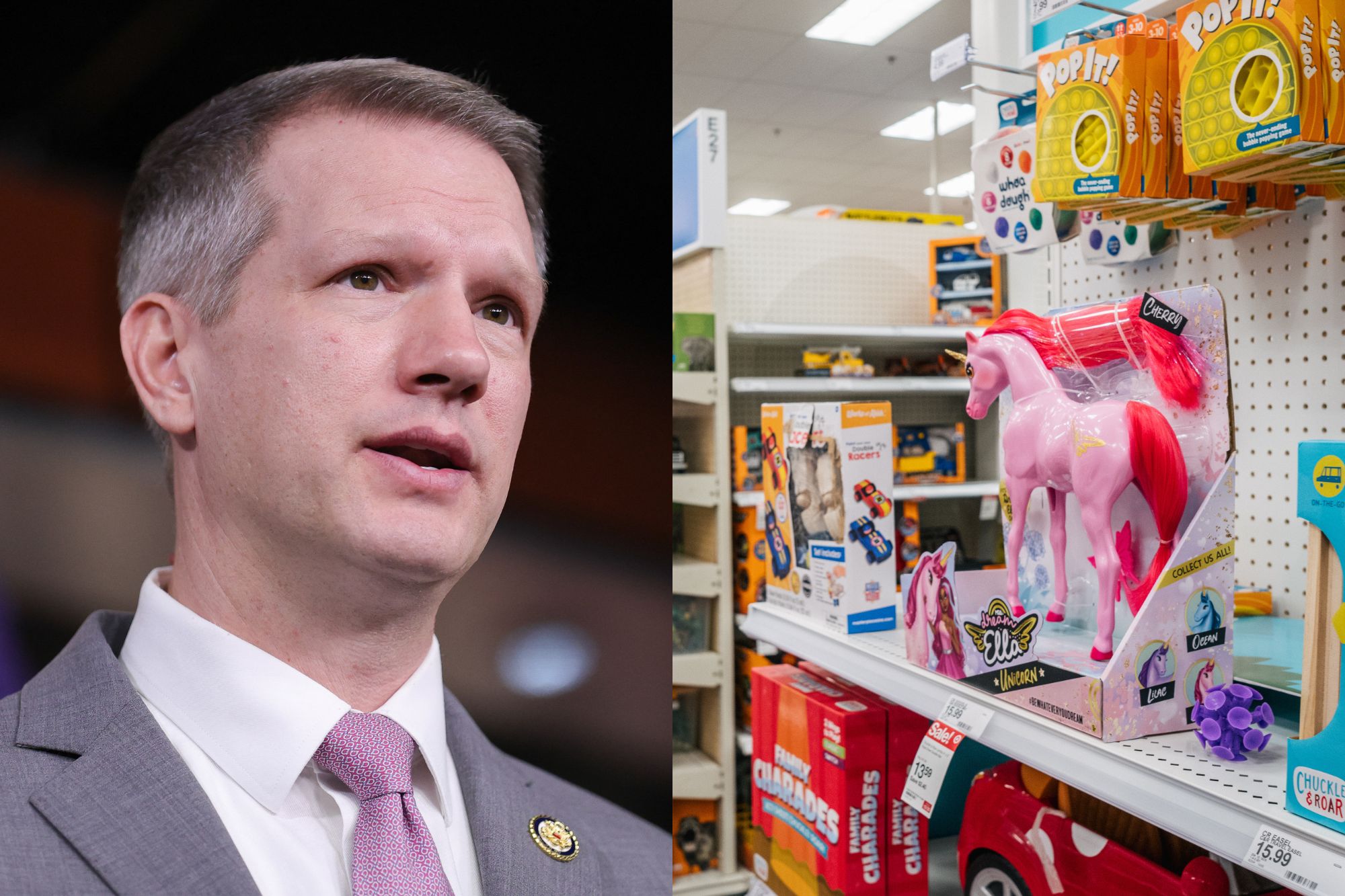
Republican Lawmaker Ridiculed for Suggesting Ditching China’s ‘Cheap Goods’ Will Help Families: ‘Kids Don’t Need Toys, They Need Tariffs’
A lawmaker is asking families to absorb government-imposed price hikes as virtue, normalizing political indifference to household hardship as an acceptable tool of state power.
Apr 4, 2025
Sources
Summary
Rep. Riley Moore defended President Donald Trump’s escalating tariff policy toward China, arguing Americans should accept higher prices in exchange for future economic gains. A sitting member of Congress publicly framed consumer cost increases as a moral tradeoff in service of a government-directed shift away from Chinese imports and toward domestic manufacturing. The practical consequence is immediate price pressure on everyday goods alongside intensified political normalization of deliberate consumer hardship as policy.
Reality Check
Normalizing deliberate household hardship as policy collateral makes it easier for government to treat your purchasing power as expendable, and that precedent doesn’t stay confined to one trade target. Nothing described here is likely criminal on its face; public advocacy for tariffs is lawful, and no facts indicate bribery, extortion, or fraud under federal statutes like 18 U.S.C. § 201 or § 1346. The damage is institutional: a public official openly reframes predictable consumer harm as moral obligation, eroding the governing norm that economic policy must justify its burdens in concrete, accountable terms rather than demanding sacrifice by decree.
Media
Detail
<p>West Virginia Rep. Riley Moore appeared on Fox Business with host Stuart Varney to defend President Donald Trump’s escalating trade war with China. Moore stated that Americans should accept higher prices on imported goods, saying the country would no longer “barter [our children’s] future for cheap goods made in China.” He argued the United States must “reorient” its economy away from low-cost imports and toward domestic manufacturing.</p><p>Varney pressed Moore on the likelihood that consumers would be unhappy about losing access to cheaper Chinese goods. Moore responded by tying the tariff increases to the interests of “communities and families with children and dreams and aspirations.”</p><p>Moore’s remarks circulated online and drew ridicule and criticism, including comments highlighting inflation pressures on families and the dependence of common consumer electronics on Chinese manufacturing. The context included Trump’s announcement earlier in the week of widespread tariff implementation and reported immediate stock market fallout, alongside claims by Trump and supporters that short-term costs will be offset by long-term benefits.</p>