Norms Impact
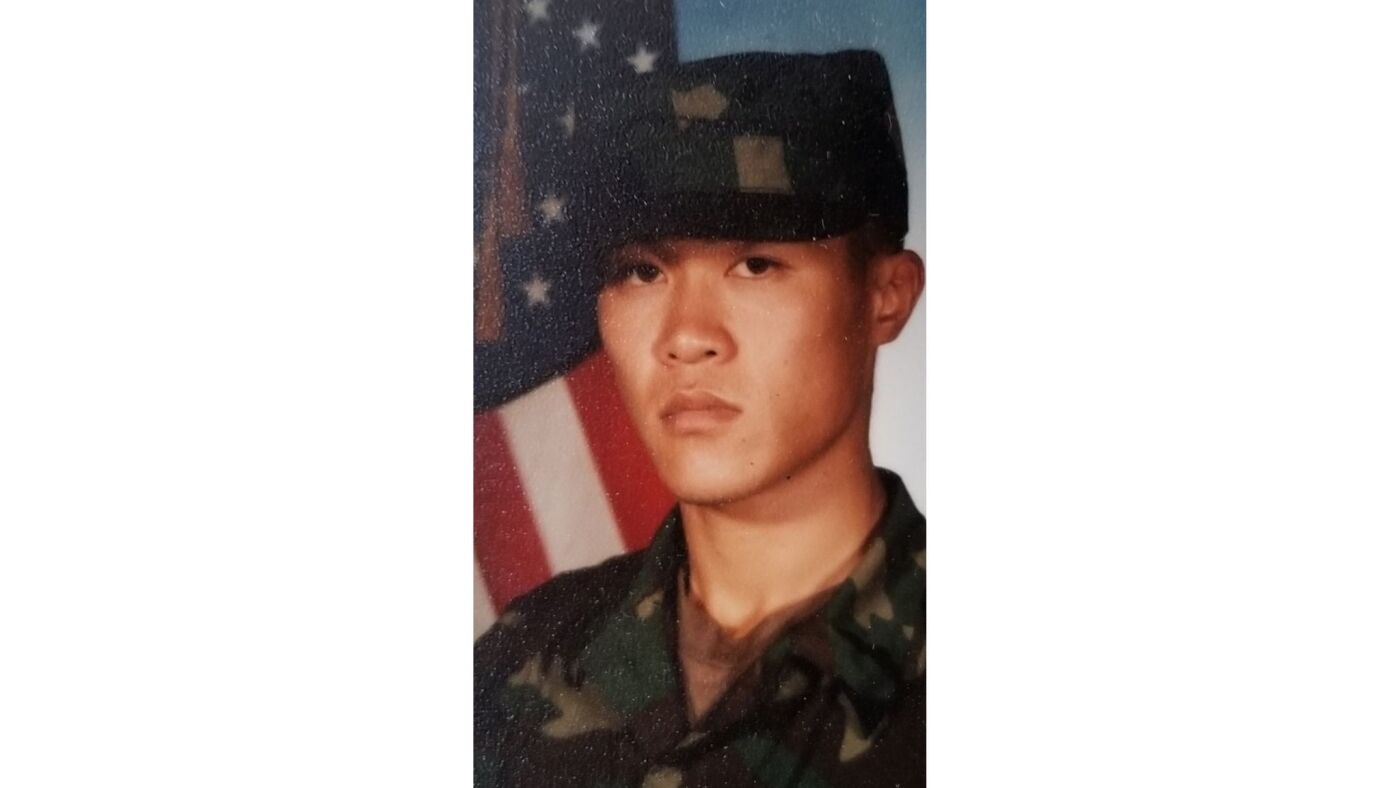
Purple Heart Army veteran self-deports after nearly 50 years in the U.S.
A combat-wounded, honorably discharged green-card holder was pushed from supervised stay into coerced “voluntary” exile, tightening deportation practices that sever families without new misconduct.
Jun 24, 2025
Sources
Summary
A 55-year-old U.S. Army Purple Heart recipient and green-card holder, Sae Joon Park, self-deported to South Korea after ICE gave him an ultimatum to leave voluntarily or face detention and deportation. The shift is a move from long-standing supervised stay with annual check-ins to renewed enforcement based on a long-standing removal order tied to old drug and failure-to-appear charges. The consequence is the forced separation of a veteran from his children and elderly mother and the effective exile of a longtime U.S. resident to a country he barely remembers.
Reality Check
Threatening detention to compel “voluntary” departure weaponizes immigration custody power to force outcomes that look consensual on paper while stripping our neighbors of due process in practice. Nothing here clearly points to a new federal crime by ICE officials, but the conduct underscores how removal orders can be revived without new conduct, turning routine check-ins into leverage against long-settled lives. The deeper danger is institutional: when supervision becomes a trapdoor, lawful residents and veterans alike lose reliable notice, stability, and the expectation that enforcement priorities will be applied consistently.
Detail
<p>Sae Joon Park, a 55-year-old U.S. Army veteran and lawful permanent resident, left the United States for South Korea on Monday after immigration authorities told him earlier in the month to depart voluntarily or face detention and deportation.</p><p>Park said the trigger was a meeting with local ICE officials in Hawaii where he was warned he would be detained and deported unless he left within a few weeks. Park had previously received a removal order after criminal charges related to drug possession and failure to appear in court from more than 15 years ago. He served three years in prison starting in 2009.</p><p>After his release, Park said he was allowed to remain in the U.S. under a typical supervision arrangement requiring annual check-ins with immigration agents when ICE did not treat him as a deportation priority. Park came to the U.S. from South Korea at age 7, grew up in Los Angeles, enlisted in the U.S. Army, was shot twice during the 1989 invasion of Panama, was honorably discharged, and received a Purple Heart.</p>