Norms Impact
US to burn $9.7 million worth of USAID-purchased contraceptives rather than deliver them to women overseas | CNN
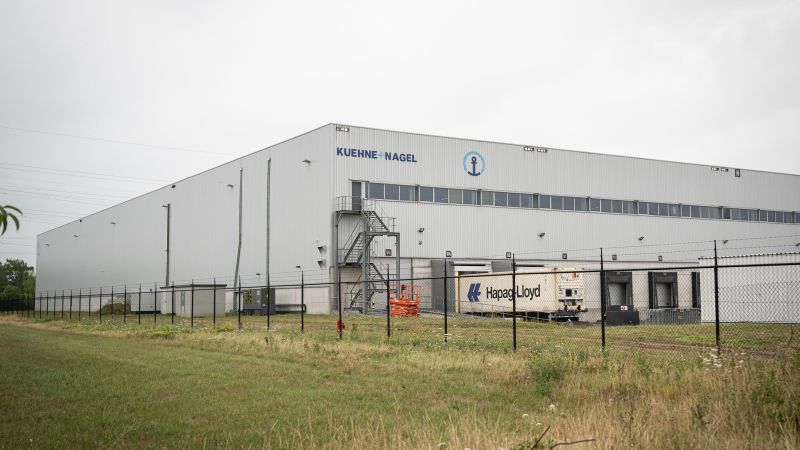
Taxpayer-funded contraceptives sit in a Belgian warehouse headed for incineration, as executive policy choices replace delivery of lawful aid with deliberate government waste.
Jul 29, 2025
Sources
Summary
The US government is moving toward destroying $9.7 million in USAID-procured contraceptives stored in Geel, Belgium, at an incineration cost of $167,000. This follows the dismantling of foreign assistance programs and termination of Biden-era USAID contracts, with the State Department approving disposal of “limited” commodities. The practical consequence is that nearly 5 million items—many not expiring until 2028 or 2029—will be withheld from overseas distribution while taxpayers absorb the purchase and destruction costs.
Reality Check
Normalizing the destruction of usable public goods to satisfy shifting political policy invites a precedent where executive discretion can nullify lawful programs through sheer waste, weakening our ability to demand rational stewardship of our own tax dollars. This conduct is not framed here as likely criminal—there is no stated bribery, fraud, or theft—but it squarely tests core governance norms against arbitrary, ideologically driven administrative action. Even absent a clean fit for federal criminal statutes like 18 U.S.C. § 641 (theft or conversion of government property) or § 1361 (willful injury to government property), the institutional danger is clear: power is being used to extinguish public value instead of administering it. When agencies can burn inventory rather than deliver it, oversight becomes performative and our rights as taxpayers to accountable government erode in practice.
Detail
<p>A State Department spokesperson confirmed a “preliminary decision” to destroy USAID-procured contraceptives rather than deliver them overseas, with an estimated incineration cost of $167,000. The supplies are stored in a warehouse in Geel, Belgium, and Belgium’s foreign ministry said it is in diplomatic talks with the US embassy to find alternative solutions.</p><p>State Department spokesperson Tammy Bruce said the situation “changes each day.” A US congressional aide said the stock is mostly long-lasting contraceptives such as IUDs and injectables, and that the products require “double incinerate” disposal due to hormone content and environmental risk. A list shared with CNN by a source familiar with the warehouse stock describes nearly 5 million items including copper IUDs, rod implants, birth control injections, and levonorgestrel and ethinyl estradiol tablets, with most expiring in 2028 or 2029 and the earliest in April 2027.</p><p>The State Department described the items as “certain abortifacient birth control commodities from terminated Biden-era USAID contracts,” and said no HIV medications or condoms are being destroyed.</p>