Norms Impact
House Democrat accuses Trump’s DoJ of ‘gigantic cover-up’ over shut Epstein inquiry
When DOJ headquarters takes over and then halts a live trafficking co-conspirator probe, it turns prosecutorial discretion into a black box that can smother oversight and victims’ rights.
Nov 4, 2025
⚖ Legal Exposure
Sources
Summary
A House judiciary committee member says the Justice Department ended an ongoing criminal investigation into Jeffrey Epstein’s alleged co-conspirators after case files were ordered transferred to DOJ headquarters in Washington in January 2025. The shift centralizes control over a sensitive prosecution track while leaving congressional oversight demands aimed at explaining why investigative work stopped. The practical consequence is that leads identified by nearly 50 women—including at least 20 alleged co-conspirators—appear not to be pursued, and victims’ coordination promises are alleged to have been abandoned.
Reality Check
This kind of sudden cessation—after files are ordered transferred to DOJ headquarters—sets a precedent where political control can quietly stop a criminal inquiry and leave Congress and victims with no enforceable explanation, weakening our rights to transparent, accountable justice. The described conduct is not, on these facts alone, clearly chargeable under a specific federal statute; the record here shows allegations of a “cover-up” and a disputed rationale that investigators “did not uncover evidence” to pursue uncharged third parties. The democratic harm is still acute: declaring survivors “not credible” while ending investigative steps and withholding a coherent account invites weaponization of prosecutorial power and corrodes the rule-of-law norm that like cases are pursued on evidence, not convenience.
Legal Summary
The article describes an abrupt halt and file-transfer of an SDNY investigation into alleged Epstein co-conspirators, with claims of a “cover-up” and abandonment of victim coordination. That pattern raises serious investigative concerns (potential obstruction or politicized suppression), but the article does not supply facts showing corrupt intent, evidence tampering, or a money/access quid pro quo. On this record, it is an investigative red flag rather than clearly chargeable criminal public corruption.
Legal Analysis
<h3>18 U.S.C. § 1505 — Obstruction of proceedings before departments, agencies, and committees</h3><ul><li>Allegations describe DOJ leadership ordering transfer of SDNY case files to DOJ HQ (Jan 2025) followed by an abrupt cessation of investigative steps into identified alleged co-conspirators.</li><li>If the transfer/termination was undertaken to impede an ongoing federal investigative proceeding (rather than for legitimate case-management reasons), that could satisfy a corrupt “influence/obstruct” theory; the article does not provide direct evidence of corrupt intent or acts beyond halting activity.</li></ul><h3>18 U.S.C. § 1512(c)(2) — Obstruction of an official proceeding (impeding by corrupt means)</h3><ul><li>Terminating or freezing investigative activity and centralizing files could be framed as an “act” that impedes investigative processes; however, the article does not identify a specific pending “official proceeding” (e.g., grand jury/court proceeding) being obstructed, leaving an element gap on this record.</li><li>Raskin’s “cover-up” accusation suggests corrupt purpose, but the article provides only political allegations and victim-counsel assertions, not evidence of concealment/destruction or false statements by officials.</li></ul><h3>18 U.S.C. § 242 — Deprivation of rights under color of law</h3><ul><li>The article alleges DOJ “declared these survivors ‘not credible’” and stopped pursuing leads, but selective enforcement/non-prosecution alone typically does not establish a constitutional deprivation without discriminatory intent or other rights-violating conduct; no such intent is alleged with specificity here.</li></ul><h3>5 C.F.R. Part 2635 / DOJ ethics & integrity obligations — Impartiality, misuse of position, and appearance concerns</h3><ul><li>Abruptly ending a sex-trafficking co-conspirator inquiry after transferring files to HQ, coupled with public messaging that “no evidence” exists, creates significant appearance and integrity concerns if victims had provided detailed identifying information.</li><li>No facts in the article establish personal financial benefit, bribery, or an access-for-favor transaction driving the decision, keeping this in the “politicization/irregular procedure” lane on the current record.</li></ul><b>Conclusion:</b> Based solely on the article, the exposure is best characterized as a serious investigative red flag for politicized or irregular DOJ decision-making potentially consistent with obstruction theories, but the record presented lacks transactional evidence or specific corrupt acts sufficient to charge structural public corruption or clear obstruction beyond allegations of a shutdown/cessation.
Detail
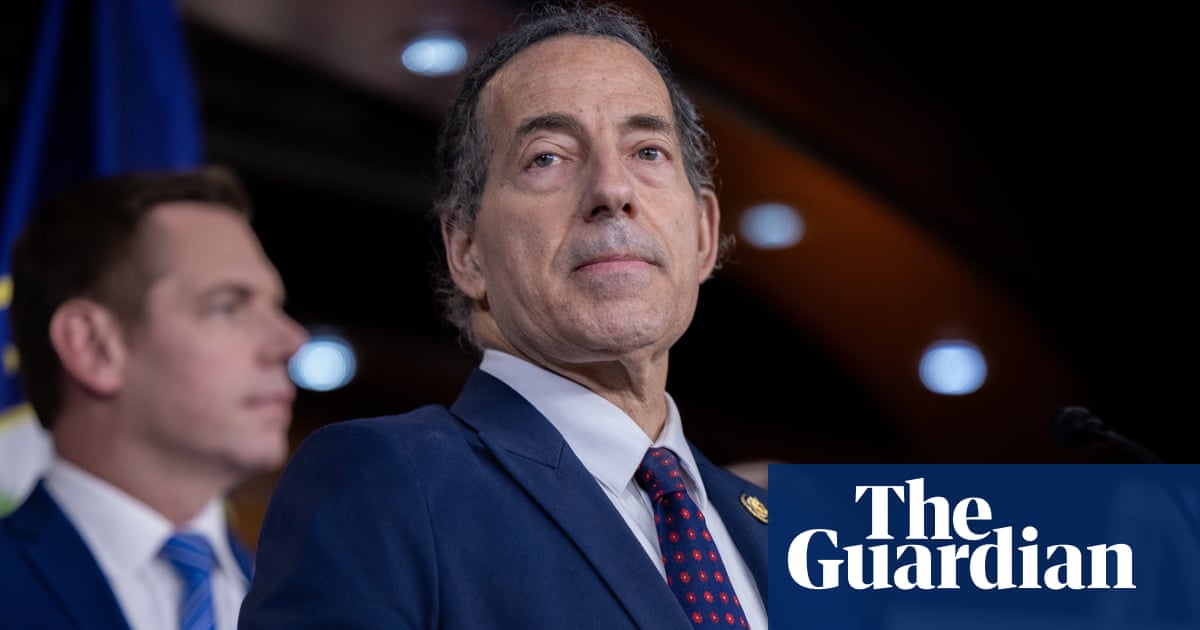
<p>Rep Jamie Raskin, a House judiciary committee member, sent a letter on Monday to US attorney general Pam Bondi demanding an explanation for why a criminal investigation into Jeffrey Epstein’s alleged co-conspirators ended in July.</p><p>Raskin wrote that the US attorney’s office for the southern district of New York had been running an investigation into alleged co-conspirators until January 2025, when prosecutors were ordered to transfer case files to Justice Department headquarters in Washington, DC. He said that since the transfer, “the investigation into co-conspirators has inexplicably ceased,” and “no further investigative steps appear to have been taken,” citing information provided by lawyers for Epstein’s accusers.</p><p>Raskin stated that nearly 50 women provided information to prosecutors and the FBI and identified at least 20 co-conspirators. He asked Bondi for details of investigative steps taken since January 2025. A DOJ spokesperson responded by citing a lapse in appropriations and said the department had provided 33,000 pages to the House Oversight Committee.</p>