Norms Impact
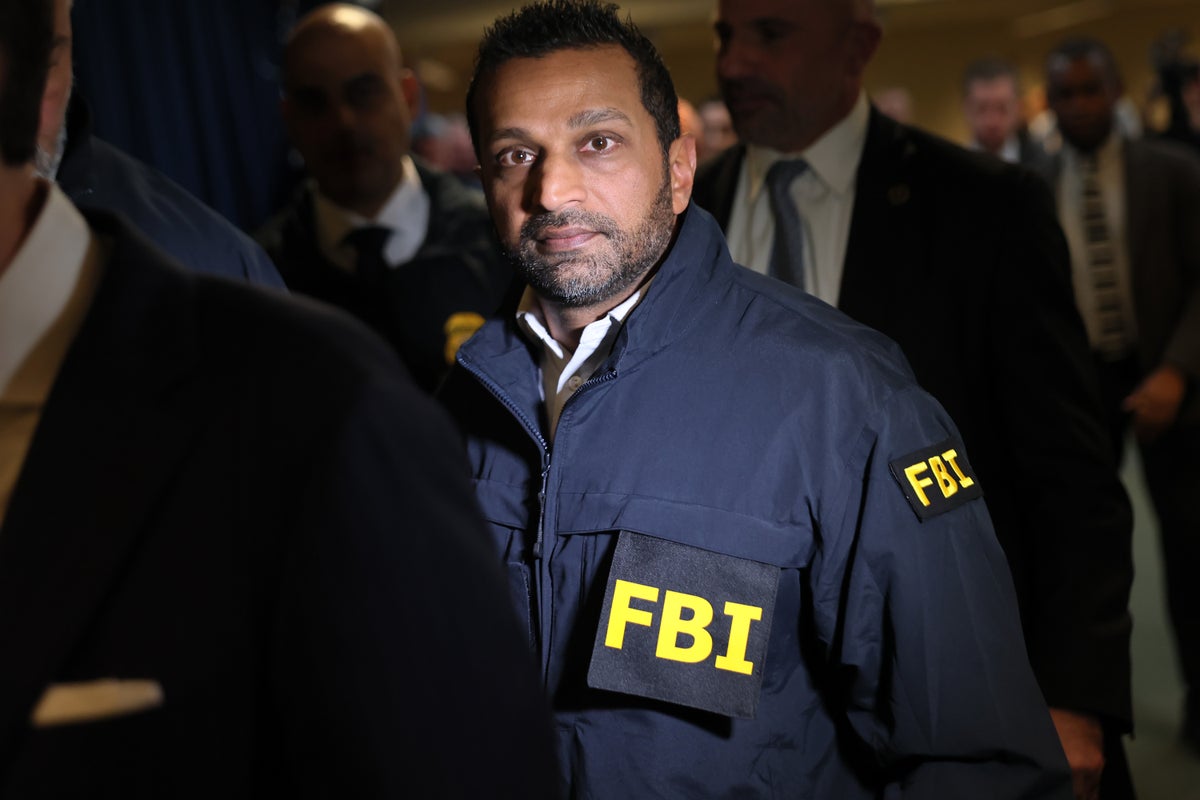
FBI ‘is rudderless ship’ with Kash Patel ‘in over his head’, damning report claims
A confidential agent report headed to Congress alleges FBI leadership is diverting federal resources and disrupting investigations—testing the norm that law enforcement power cannot be repurposed for personal protection or performance politics.
Dec 1, 2025
⚖ Legal Exposure
Sources
Summary
A group of 24 active-duty and retired FBI agents produced a report portraying the bureau as “rudderless” under Director Kash Patel and plans to present it to the House and Senate Judiciary Committees. The report depicts a leadership breakdown marked by low internal confidence, alleged misuse of government resources, and operational disruption tied to politically sensitive messaging. In practice, it signals weakened chain-of-command discipline inside a federal law-enforcement agency and invites congressional scrutiny over how power is being exercised at the bureau’s apex.
Reality Check
When the nation’s top law-enforcement agency is alleged to be run as a personal security and prestige operation, our rights erode because the same machinery built to investigate the public can be bent to serve leadership. Using government aircraft for personal trips and assigning a SWAT team to protect a girlfriend points toward potential criminal exposure under federal misuse-of-property and ethics regimes, including 18 U.S.C. § 641 (conversion of government property) and 18 U.S.C. § 208 (conflicts of interest), alongside administrative violations of travel and security protocols. Even where prosecutors decline, the reported conduct shreds core governance norms: it blurs public duty into private benefit, chills internal dissent, and normalizes a federal police apparatus that answers to personal loyalty rather than mission and law.
Legal Summary
The alleged use of government aircraft for personal trips and assigning a SWAT team to protect the director’s girlfriend creates significant investigative exposure for misuse/conversion of government resources and ethics violations. The facts presented do not show a bribery-style quid pro quo or outside financial transfer aligned with official action, so the core risk is improper personal benefit and resource misuse pending investigation into authorization, value, and intent.
Legal Analysis
<h3>18 U.S.C. § 208 — Acts affecting a personal financial interest (conflict-of-interest)</h3><ul><li>Article alleges use of government aircraft for “multiple personal trips” and assignment of an FBI SWAT team to protect the director’s girlfriend—facts that suggest use of official resources touching a close personal relationship.</li><li>Gap: the article does not allege a specific financial interest in a particular matter or any decision affecting a covered financial stake; exposure is primarily an investigative red flag based on personal-benefit alignment.</li></ul><h3>18 U.S.C. § 641 — Theft or conversion of government property/services</h3><ul><li>Using government aircraft for personal trips and assigning specialized protective services for a non-official (girlfriend) could be viewed as conversion/misuse of government resources for non-government purposes.</li><li>Gap: the article provides no valuation, authorization status, or details on whether trips/protection were approved under policy, which would be critical to chargeability.</li></ul><h3>5 C.F.R. Part 2635 — Standards of Ethical Conduct (misuse of position / government resources)</h3><ul><li>Allegations of personal trips on government aircraft and directing a SWAT team to protect a romantic partner implicate misuse of position and misuse of government property/personnel for private benefit.</li><li>These are classic ethics/compliance issues even absent a bribery-style exchange.</li></ul><h3>18 U.S.C. § 201 — Bribery of public officials and witnesses (quid pro quo)</h3><ul><li>No facts in the article indicate any payment, thing of value from an outside party, or action taken to benefit a payer; the described issues reflect personal-use/mismanagement rather than a money-access-official-act structure.</li></ul><b>Conclusion:</b> The article describes serious investigative red flags and potential misuse of government resources for personal benefit, but it does not present a transactional money-to-official-action pattern; exposure is best characterized as potentially unlawful administrative/civil misuse and possible conversion depending on authorization and intent.</p>
Detail
<p>Twenty-four experienced active-duty and retired FBI agents compiled an assessment of Director Kash Patel’s first six months in office and planned to present it to the House and Senate Judiciary Committees later in the week. The report, obtained by the New York Post, described low confidence in FBI leadership and alleged that Patel used government aircraft for multiple personal trips and assigned a SWAT team to protect his girlfriend.</p><p>Agents also criticized Patel for making premature public remarks during active investigations and cited an incident in Provo, Utah, after the fatal shooting of conservative influencer Charlie Kirk, alleging Patel refused to leave an aircraft without an FBI raid jacket and specific patches, requiring SWAT personnel to provide patches. The report further said some agents were pulled from other casework for a week to redact documents related to the Jeffrey Epstein matter before President Donald Trump and Attorney General Pam Bondi stopped the release of files.</p><p>Deputy Director Dan Bongino publicly dismissed the claims as “gossipy nonsense.” The White House denied reports Patel was at risk of being removed.</p>