Norms Impact
Immigrants Approved for Citizenship ‘Plucked Out’ of Line Moments Before Pledging Allegiance: Report
USCIS turned the oath ceremony into a last-minute nationality filter, canceling approved citizens at the line and degrading due process into discretionary paperwork power.
⚖ Legal Exposure
Sources
Summary
USCIS officials pulled already-approved naturalization candidates out of line at a Boston oath ceremony and canceled their participation based on country of origin tied to a new agency halt affecting 19 countries. The executive-driven “high-risk” designation was operationalized at the final stage of citizenship, overriding completed approvals through an internal directive. The practical consequence is that lawful permanent residents who cleared the process can be stopped at the oath itself, leaving status and rights contingent on sudden policy shifts.
Reality Check
This kind of last-stage cancellation weaponizes administrative discretion against people who already cleared the citizenship process, teaching every lawful resident that our rights can be revoked at the finish line without meaningful notice or recourse. On the facts provided, it is not clearly criminal on its face, but it squarely raises due process and equal-protection concerns when approvals are functionally nullified by a country-of-origin rule applied at the oath stage rather than through individualized adjudication. The deeper damage is institutional: when an agency can “pluck” approved candidates out of a public ceremony based on an executive risk list, citizenship stops looking like a legal status earned under rules and starts looking like a privilege dispensed by sudden directive.
Legal Summary
USCIS’s reported practice of pulling already-approved applicants out of oath-ceremony lines based on country of origin creates substantial civil exposure (APA and Fifth Amendment equal-protection–type claims) and indicates serious procedural irregularities. However, the article provides no evidence of financial transfers, personal enrichment, or quid-pro-quo structure, and it does not clearly establish the willful intent typically required for criminal civil-rights prosecution.
Legal Analysis
<h3>5 U.S.C. § 706(2)(A) — APA arbitrary/capricious agency action (civil exposure)</h3><ul><li>USCIS allegedly removed already-approved naturalization candidates from the oath line and canceled ceremonies based solely on country of origin after a Dec. 2 directive halting applications for nationals of 19 “high-risk” countries.</li><li>Pulling individuals at the final step (after approval) suggests potentially inconsistent application of agency policy and raises questions whether the action was reasoned, properly noticed, and lawfully applied to already-adjudicated cases.</li></ul><h3>U.S. Const. amend. V — Equal protection component / national-origin discrimination (civil constitutional risk)</h3><ul><li>The reported practice involved officers asking “what country they were from” and directing those from specified countries to step out of line and canceling their oath ceremonies.</li><li>Because the distinction is explicitly tied to nationality/national origin, it creates significant litigation exposure if the policy lacks adequate lawful basis or is overbroad relative to stated national-security justifications.</li></ul><h3>8 U.S.C. § 1448 — Naturalization oath procedure (procedural irregularity)</h3><ul><li>Applicants had reportedly completed the process and were at the oath ceremony stage; abrupt cancellations at the ceremony may indicate procedural breakdowns (e.g., notice failures) even if the agency asserts security-vetting rationale.</li><li>Gaps: the article does not specify whether USCIS formally rescinded approvals or invoked a particular statutory mechanism for reopening/adverse action prior to cancelation.</li></ul><h3>18 U.S.C. § 242 — Deprivation of rights under color of law (criminal; elements not clearly met on stated facts)</h3><ul><li>Officials acted under color of federal authority to deny access to the final naturalization step based on country of origin.</li><li>Gaps: the report does not establish willful intent to deprive constitutional rights beyond implementing an agency directive, which is typically critical for §242 criminal liability.</li></ul><b>Conclusion:</b> The described conduct reflects a serious investigative red flag involving nationality-based exclusion and potentially unlawful agency procedure (civil APA/constitutional exposure), but the article does not provide a money/access/benefit transactional structure or clear facts supporting prosecutable criminal corruption or willful rights-deprivation beyond policy implementation.
Detail
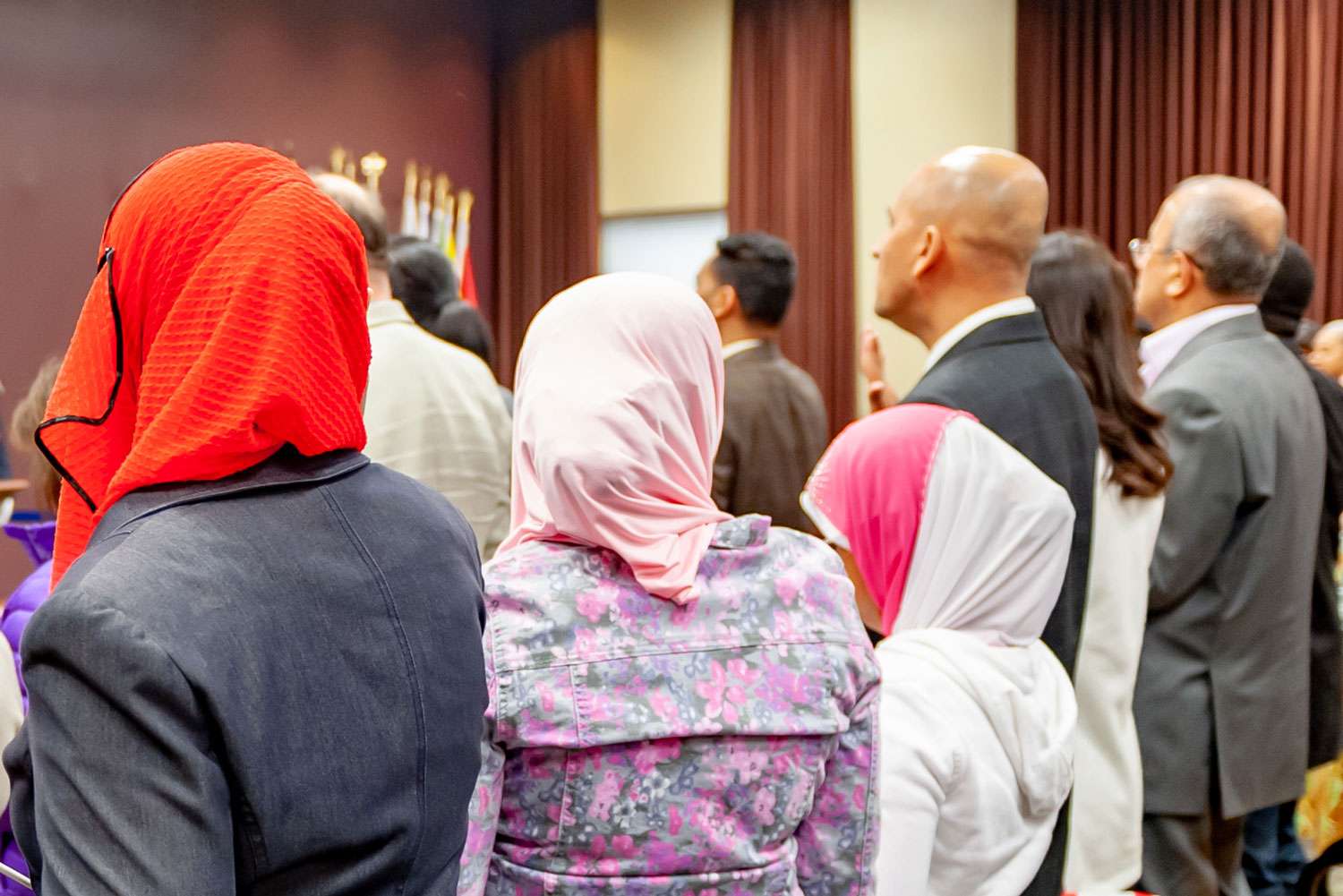
<p>At a naturalization ceremony at Faneuil Hall in Boston on Dec. 4, U.S. Citizenship and Immigration Services (USCIS) officials removed some individuals from the line moments before they were to take the oath of allegiance, and told them their oath ceremonies were canceled based on their countries of origin.</p><p>WGBH reported that USCIS directed employees to halt immigration applications for nationals from 19 countries that had faced full or partial travel restrictions since June under a proclamation issued by President Donald Trump and designated by the administration as “high-risk.” The affected list included Haiti and also Afghanistan, Myanmar, Chad, the Republic of the Congo, Equatorial Guinea, Eritrea, Iran, Libya, Somalia, Sudan, Yemen, Burundi, Cuba, Laos, Sierra Leone, Togo, Turkmenistan, and Venezuela.</p><p>Project Citizenship reported that some clients received cancellation notices for ceremonies and appointments, but some did not receive notice in time and arrived as scheduled. USCIS issued a memo dated Dec. 2 announcing the halt, which affects both green card and citizenship applicants.</p>