Norms Impact
Billionaire Trump Gives Jaw-Dropping Lecture to Parents as Prices Surge
A president lectures families to accept less while pursuing a $200–$300 million donor-funded White House buildout that blurs public office with private patronage.
Dec 10, 2025
⚖ Legal Exposure
Sources
Summary
Donald Trump told parents to cut back on children’s Christmas gifts while Americans report increasing difficulty affording basic necessities. The presidency is being used as a platform to normalize austerity messaging while advancing costly, donor-backed alterations to the White House. The result is a widening credibility gap that erodes public trust in whether government is responding to household hardship or insulating itself from it.
Reality Check
A donor-funded White House construction project tied to the president’s personal branding sets a precedent that private money can reshape public property and executive priorities outside normal democratic budget discipline. On these facts alone, a clear criminal case is not established, but the risk zone is obvious: if donors receive access, favorable treatment, or policy consideration, it can implicate federal bribery and illegal gratuities laws (18 U.S.C. § 201) and honest-services fraud (18 U.S.C. §§ 1343, 1346). Even without provable quid pro quo, this conduct corrodes core anti-corruption norms by inviting influence markets around the presidency and weakening our expectation that the White House is administered for the public, not curated through private benefactors.
Legal Summary
The primary exposure arises from a large White House project allegedly funded by “private donors,” which creates significant appearance and influence risks and warrants scrutiny of access, donor benefits, and any official actions linked to contributions. The article does not identify donors or allege any specific official act benefiting a payer, so the record supports an investigative red flag rather than a clearly chargeable quid-pro-quo case based solely on these facts.
Legal Analysis
<h3>18 U.S.C. § 201 (Bribery of public officials; illegal gratuities)</h3><ul><li>Article states a $200–$300 million White House ballroom would be “covered by private donors,” following Trump’s personal preference for a Mar-a-Lago-modeled project and demolition of historic East Wing space.</li><li>No donor identities, specific contributions, or any linked official acts benefiting a donor are alleged; without a money-to-official-action alignment tied to identifiable payers, core quid-pro-quo elements are not established on these facts.</li><li>Key gap: absence of allegations that any donor provided something of value in exchange for a particular governmental decision, contract, regulatory outcome, or other “official act.”</li></ul><h3>5 C.F.R. Part 2635 (Standards of Ethical Conduct; appearance/improper use of office)</h3><ul><li>Using the White House to pursue a lavish, personally styled project “modeled on his Mar-a-Lago property,” funded by “private donors,” raises appearance concerns: private financing of a presidential pet project can create perceived indebtedness or preferential access.</li><li>Article also notes Trump’s net worth “skyrocketed” during his term due to “media and crypto ventures,” but it does not allege any governmental action taken to enrich those ventures.</li></ul><h3>31 U.S.C. §§ 1301, 1341 (Appropriations purpose/Anti-Deficiency Act) — potential fiscal irregularities</h3><ul><li>If federal resources, contracting, or demolition/renovation are undertaken without proper appropriations and oversight because costs are purportedly covered by donors, this can present compliance risks.</li><li>However, the article does not allege any specific improper obligation of federal funds, unlawful contracting, or circumvention of appropriations processes.</li></ul><b>Conclusion:</b> The facts described present a serious investigative red flag centered on private-donor funding of a major White House construction initiative with strong appearance-of-influence concerns, but the article does not supply the transactional linkage (identified payers + concrete official benefits) needed to treat it as prosecutable structural corruption on its face.
Detail
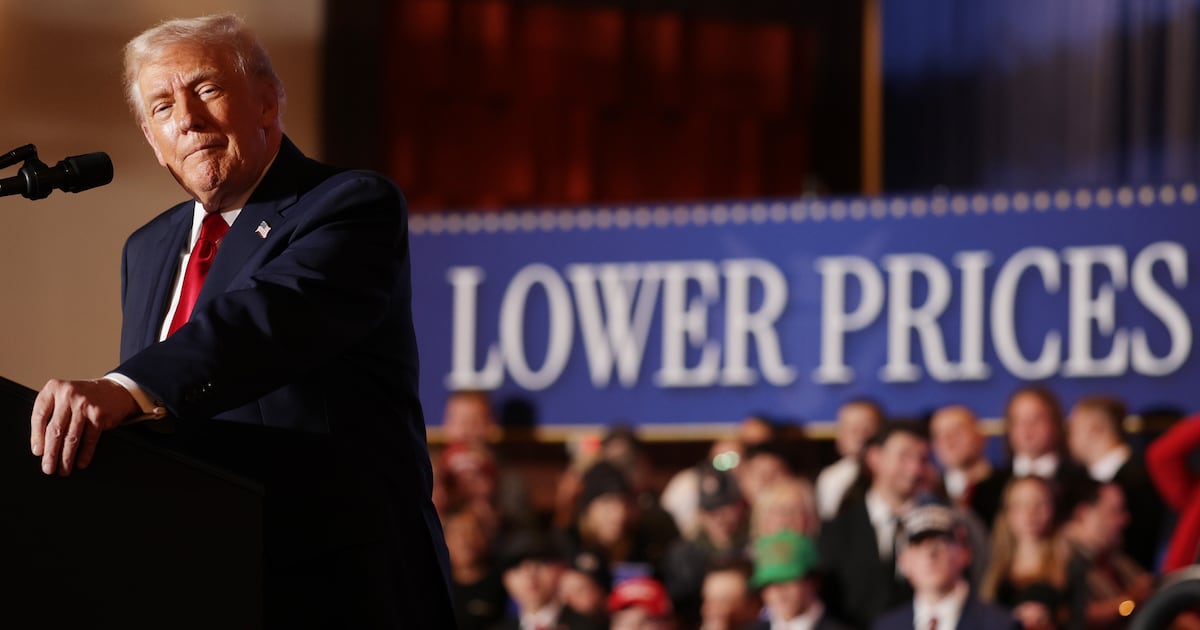
<p>Donald Trump delivered remarks Tuesday at a rally with steelworkers in Pennsylvania focused on “affordability,” which he has described as a “Democrat hoax” and not the result of his policies. In addressing consumer costs, he told the crowd, “You can give up certain products,” citing “pencils” and then children’s gifts, adding, “You don’t need 37 dolls for your daughter. Two or three is nice, but you don’t need 37 dolls.”</p><p>The comments came amid reported public strain: a Politico–Public First survey found almost half of Americans are struggling to pay for groceries, utility bills, health care, housing, and transportation, and 55 percent blame Trump. The remarks also contrasted with reported personal wealth and spending: Forbes estimated Trump’s wealth at $7.3 billion, rising during his second term through media and crypto ventures. Separately, he has pursued a new 90,000-plus-square-foot White House ballroom project estimated at $200–$300 million, with demolition of historic East Wing space and costs he says will be covered by private donors.</p>