Norms Impact
Smithsonian Quietly Scrubs Embarrassing Info Under Trump Portrait
White House pressure drove a national museum to strip impeachment history from a president’s public display, normalizing political control over civic memory and educational labeling.
Jan 11, 2026
⚖ Legal Exposure
Sources
Summary
The Smithsonian’s National Portrait Gallery removed references to President Donald Trump’s two impeachments from the wall text accompanying his portrait after White House pressure. The change signals federal political leverage being exerted over curatorial and educational content at a national institution. The public-facing record of presidential conduct is being narrowed to office dates while comparable context remains for other presidents.
Reality Check
Government pressure that compels a national cultural institution to erase disfavored facts is a playbook for viewpoint control, and it weakens the public’s ability to hold power to account—including your own rights to truthful civic information. On these facts, the conduct is not clearly criminal because the text describes pressure and compliance, not a documented exchange of official favors for personal benefit. The deeper breach is governance: using the presidency and executive oversight to coerce “objective facts” out of public institutions mirrors an abuse-of-office pattern even when it falls short of federal bribery (18 U.S.C. § 201) or extortion under color of official right (18 U.S.C. § 1951). When museums start pre-clearing history to satisfy political complaints, we are watching democratic accountability get edited in real time.
Legal Summary
The article alleges White House pressure leading the Smithsonian’s National Portrait Gallery to remove impeachment references from Trump’s exhibit label and adjust presentation choices, reflecting politicization of a cultural institution. No financial transfer, personal benefit, or transactional exchange is alleged, making this an investigative red flag (ethics/abuse-of-influence concerns) rather than a structurally corrupt quid-pro-quo case on the current facts.
Legal Analysis
<h3>18 U.S.C. § 242 (Deprivation of rights under color of law)</h3><ul><li>Article context describes political pressure on a Smithsonian museum to alter descriptive text about a sitting President’s impeachments; however, it does not allege deprivation of any specific individual constitutional right through force, threats, or willful rights-violating conduct.</li><li>Gaps: no identified victim, coercive conduct meeting the statute, or willful intent to deprive rights beyond viewpoint-driven messaging control.</li></ul><h3>18 U.S.C. § 666 (Federal program bribery) / 18 U.S.C. § 201 (Bribery of public officials)</h3><ul><li>Core structural corruption elements (thing of value offered/received + official act) are not alleged: the article describes “pressure” and executive/administrative oversight, but no payments, gifts, or personal enrichment tied to the museum edits.</li><li>Gaps: no transactional exchange, no thing of value, and no allegation of an agreement (explicit or implicit) tied to money or benefits.</li></ul><h3>5 C.F.R. Part 2635 (Standards of Ethical Conduct for Executive Branch Employees) / General ethics and politicization risk</h3><ul><li>Allegations support an investigative red flag of politicization: a White House official complained about impeachment language; subsequent edits removed impeachment references and swapped to a White House photographer image, while other presidents’ labels remain more descriptive.</li><li>Executive order-driven efforts to purge “improper ideology” and attempted firing of the gallery director suggest pressure on an ostensibly independent cultural institution to shape historical narrative.</li></ul><b>Conclusion:</b> The conduct described is best characterized as procedural/political interference and potential ethics/politicization concerns rather than a money-for-official-action structure; absent any “thing of value” or personal enrichment, it presents a serious investigative red flag but not a prosecutable corruption quid pro quo on these facts.
Detail
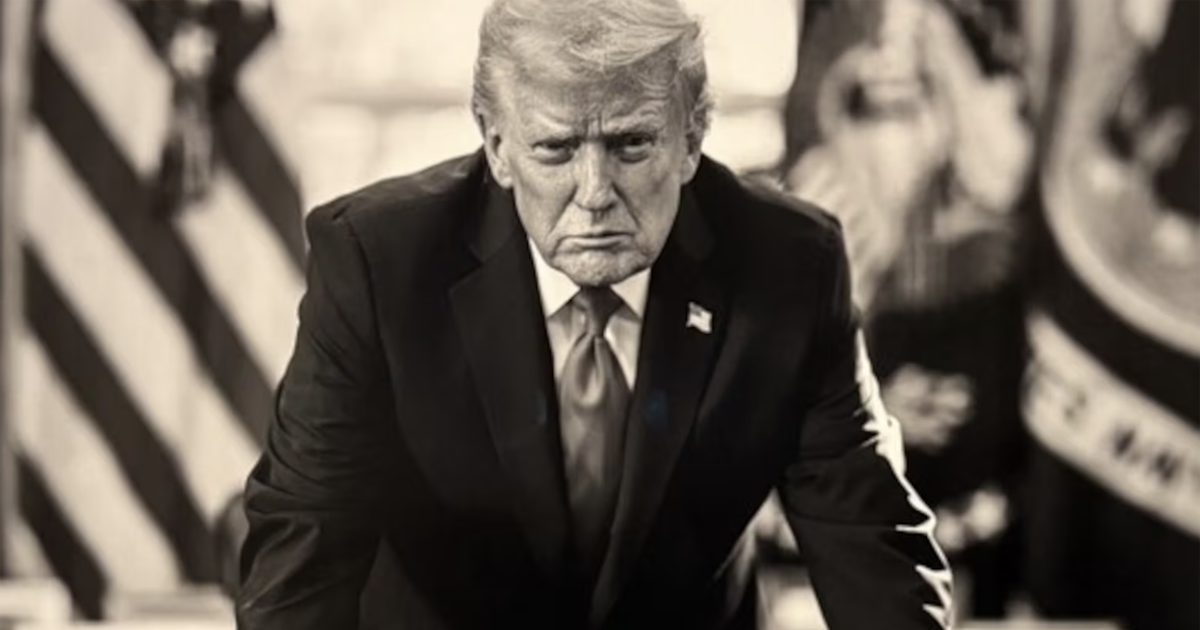
<p>The Smithsonian Institution’s National Portrait Gallery in Washington, D.C., updated the display for President Donald Trump in its “American Presidents” exhibit on Friday by replacing a photograph by photojournalist Matt McClain with an image taken by White House photographer Daniel Torok.</p><p>Alongside the image change, gallery staff removed descriptive text that had referenced Trump’s two impeachments and replaced it with a shorter label listing his dates in office. The removed text had stated that Trump was impeached twice—once for abuse of power and once for incitement of insurrection—and acquitted by the Senate in both trials.</p><p>The Washington Post reported that a White House official had complained about the impeachment reference last year. The Smithsonian’s longer background text about Trump’s time in office remained on the Smithsonian Institute website at the time of reporting. A gallery spokesperson told the Post the museum is “exploring” less descriptive “tombstone labels” for new displays, while other presidents’ portraits retain longer texts, including Bill Clinton’s mention of his impeachment.</p>