Norms Impact
FBI Source Claimed Trump Visited Epstein Just Before Announcing Presidential Run
When the government floods the public with unverified “tips” alongside official records, it blurs the line between evidence and rumor—eroding our ability to demand accountability on facts.
Feb 2, 2026
Sources
Summary
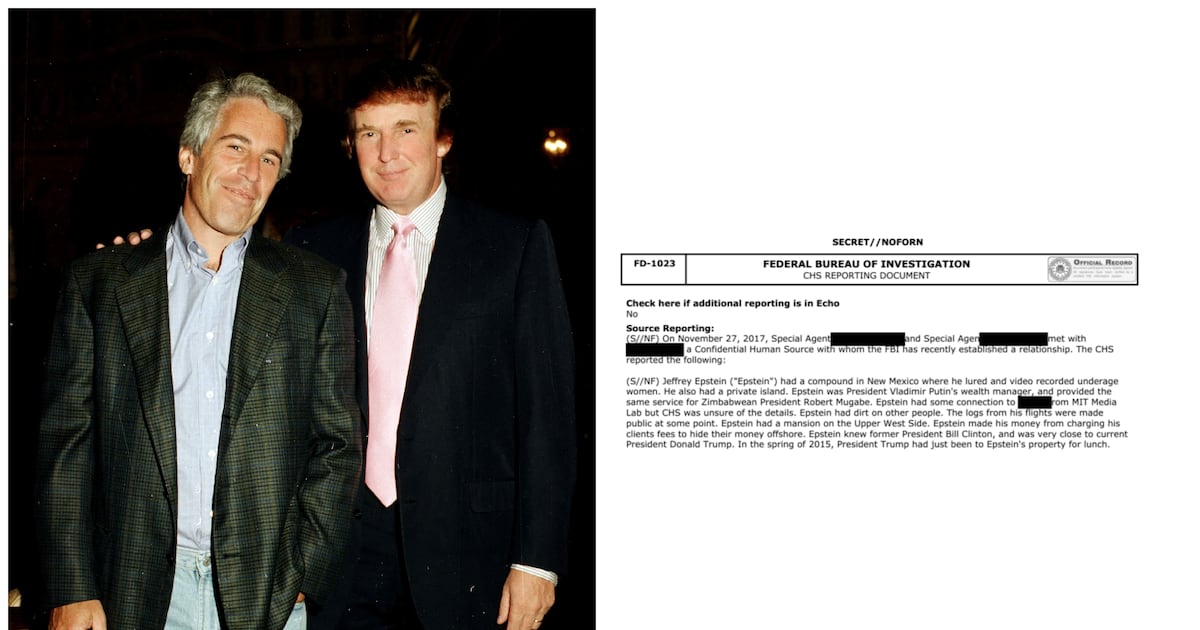
A Justice Department release of Epstein-related records includes a classified FBI memo memorializing a confidential source’s claim that Donald Trump visited Jeffrey Epstein for lunch in spring 2015 and stayed “very close” after Trump’s election. The institutional shift is that raw tips and source reporting—explicitly flagged by DOJ as potentially fake, unfounded, or uncorroborated—are entering public circulation as “files dumps” with uneven verification status. The practical consequence is a destabilizing collision between document volume and evidentiary clarity, where public trust and accountability can be warped by claims that may never be adjudicated.
Reality Check
This kind of mass disclosure without clear evidentiary grading invites political actors to launder insinuation into “official” truth, weakening our shared ability to distinguish proof from allegation—and that erosion ultimately costs ordinary citizens their due-process protections. Nothing in the disclosed material, as summarized here, establishes a prosecutable act by Trump, and it does not supply elements for federal sex-trafficking crimes under 18 U.S.C. §§ 1591 or 2421–2423. The immediate democratic harm is institutional: when government releases acknowledge that some content may be fake or “unfounded and false” yet publish it in bulk, we normalize governance by dossier and innuendo rather than tested evidence.
Detail
<p>A classified memo dated Dec. 13, 2017, released in the Justice Department’s latest Epstein records tranche, summarizes information from a confidential source who met FBI agents in person on Nov. 27, 2017. The source alleged Epstein was “very close to current President Donald Trump,” and said that in spring 2015 Trump “had just been to Epstein’s property for lunch.” Trump announced his first presidential campaign on June 16, 2015.</p><p>The memo’s claim conflicts with Trump’s public statements after Epstein’s 2019 arrest, when Trump said he had not spoken to Epstein “in 15 years,” and with Trump’s later assertion he cut ties in the early 2000s. The White House called the allegation false. DOJ stated the release includes raw public tips that may be fake and said some allegations against Trump in the records are “unfounded and false.”</p>