Norms Impact
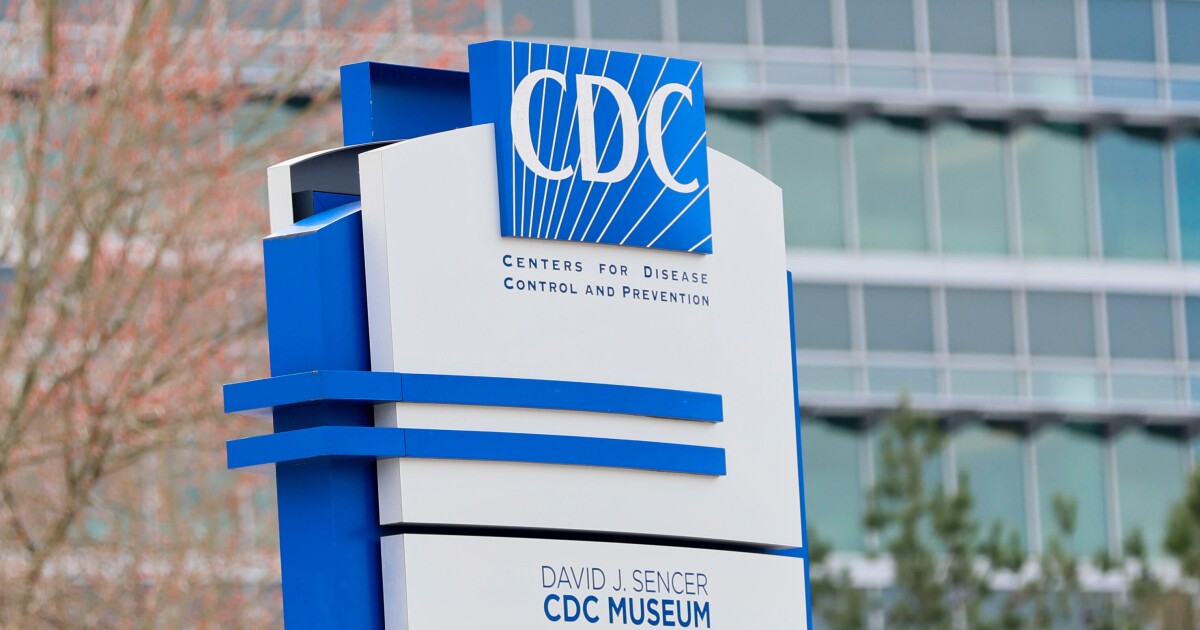
Trump’s CDC is canceling $600M in HIV and STD funds to four Democrat-led states
The federal government is pulling HIV and STD prevention grants from four states under a shifting “priorities” rationale, treating public-health infrastructure as a political lever rather than a neutral obligation.
Feb 12, 2026
⚖ Legal Exposure
Sources
Summary
The CDC began cutting $600 million in grants used to track and prevent HIV and sexually transmitted diseases in California, Colorado, Illinois, and Minnesota. Federal public-health funding is being redirected through an asserted “agency priorities” framework that de-emphasizes prior health-equity policy. Local agencies, hospitals, NGOs, and universities face reduced capacity to study disease spread, track outbreaks, and provide HIV prevention services over the coming weeks.
Reality Check
This kind of targeted funding suspension corrodes our rights by turning disease surveillance and prevention into discretionary punishment—an executive template that can be used against any community when politics change. Based on the stated rationale in the record, this looks less like a provable federal crime than a profound abuse-of-office problem, because the text does not show a specific quid pro quo or personal enrichment needed to anchor classic federal bribery or extortion theories. The danger is the precedent: once “agency priorities” becomes a blank check to defund core services tied to disfavored groups, democratic stability weakens because governance stops being rule-bound and becomes conditional loyalty.
Legal Summary
The cancellations of $600M in CDC-related HIV/STD funding to four Democrat-led states, and to certain LGBTQ+-related programs, create an investigative red flag for politically targeted or discriminatory administration of federal grants. Based on the article, there is no money/access/personal-benefit pattern supporting bribery-style structural corruption, but there is potential exposure for unlawful discrimination/retaliation theories and improper grant/appropriations implementation pending factual development.
Legal Analysis
<h3>18 U.S.C. § 242 — Deprivation of rights under color of law</h3><ul><li>Alleged facts describe targeted suspension of public-health grants in four Democrat-led states and to some programs supporting LGBTQ+ populations; if motivated by discriminatory animus, this raises a civil-rights enforcement risk.</li><li>Key gap: the article does not allege intentional deprivation of a specific federally protected right or provide evidence of discriminatory intent beyond stated “priorities”/“ideologically-laden” framing.</li></ul><h3>42 U.S.C. § 1983 — Civil rights liability (state/federal analogue concepts)</h3><ul><li>Grant suspensions that differentially burden protected classes (e.g., LGBTQ+ populations) or are retaliatory/punitive based on viewpoint could trigger constitutional claims (equal protection/First Amendment) in related litigation posture.</li><li>Key gap: the article does not specify a clear unconstitutional condition, protected activity retaliation, or comparator evidence establishing discriminatory/selective enforcement.</li></ul><h3>31 U.S.C. § 1301(a) & federal grant administration principles — Purpose/appropriations compliance (administrative law risk)</h3><ul><li>Suspending congressionally funded public-health grants based on shifting “agency priorities” may raise questions about compliance with statutory purpose and grant award terms (procedural legality), especially where cuts appear politically targeted.</li><li>Key gap: the article does not identify the specific appropriations language, grant conditions, or mandatory vs discretionary nature of the funds.</li></ul><h3>18 U.S.C. § 201 — Bribery (structural corruption screen)</h3><ul><li>No allegation of payments, personal benefit, or third-party financial transfers tied to the funding cancellations; the fact pattern is political/ideological prioritization rather than money-access-official-action alignment.</li></ul><b>Conclusion:</b> The described conduct presents a serious investigative red flag for politicized/ideology-driven administration of federal public-health funds with potential civil-rights and administrative-law exposure, but the article does not allege a transactional quid pro quo or personal enrichment indicative of prosecutable structural corruption.</p>
Media
Detail
<p>Cuts to approximately $600 million in Centers for Disease Control funding began the week of February 9 and are expected to continue over the next several weeks. The CDC plans to suspend grants to local public health agencies, hospitals, non-governmental organizations, and universities in California, Colorado, Illinois, and Minnesota.</p><p>Historically, recipients used the funds to study the spread of HIV and other sexually transmitted diseases, track outbreaks, and offer pre-exposure prophylaxis. Some funding reductions also apply to groups that supported children’s gender transition or provided social programs for LGBTQ+ adults.</p><p>A spokesperson from the Department of Health and Human Services said the agency would cut funds “because they do not reflect agency priorities.” In September 2025, the CDC revised some policies, stating that efforts to pursue health equity were “ideologically-laden” and had “undermined core American values.”</p>