Norms Impact
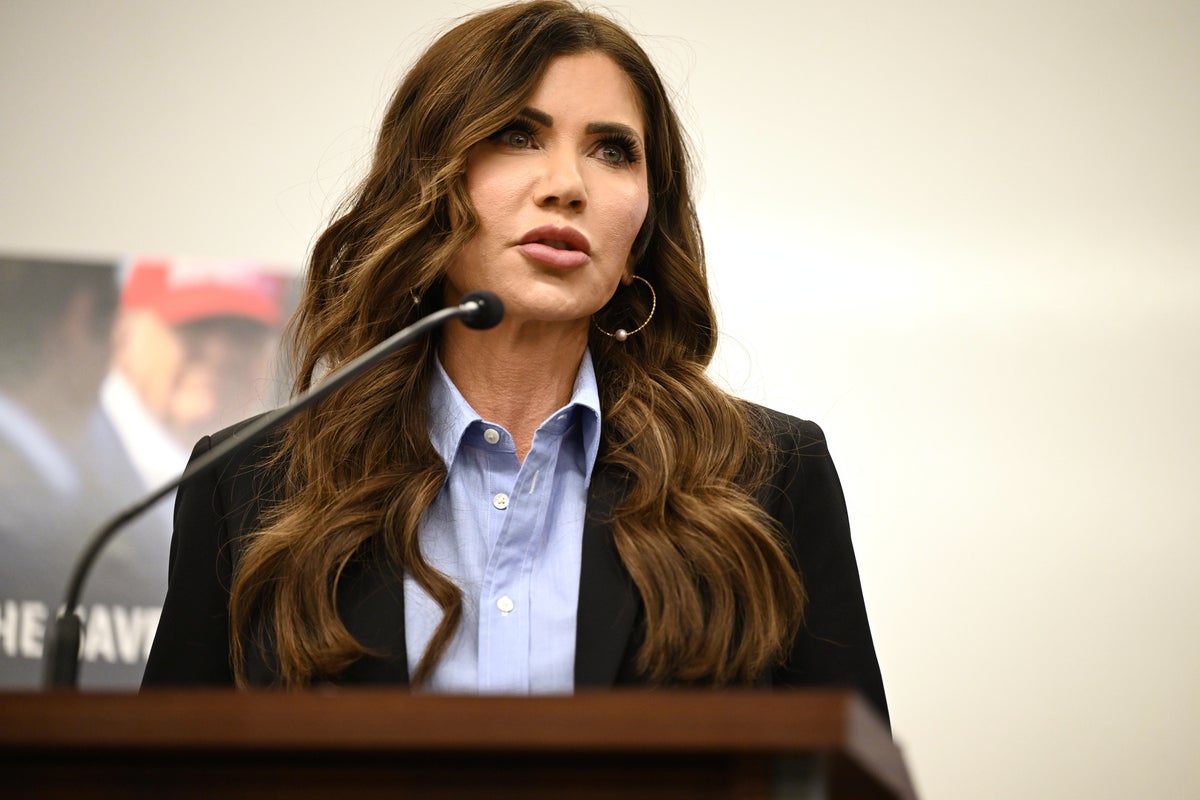
Kristi Noem abruptly exits after question about CBP shooting balloon
A federal airspace shutdown over a major U.S. city, followed by an evasive exit from scrutiny, signals a dangerous normalization of secrecy and poor coordination in domestic security operations.
Feb 13, 2026
⚖ Legal Exposure
Sources
Summary
Homeland Security Secretary Kristi Noem ended a press conference in Phoenix after being asked about reports that CBP used a laser/anti-drone weapon to shoot down what appeared to be a party balloon over El Paso, prompting an FAA airspace closure.
The episode exposed a breakdown in inter-agency coordination among DHS components, the FAA, and the Defense Department during an operation described publicly as a response to a “cartel drone incursion.”
The practical consequence was a major city’s airspace being restricted and reopened amid conflicting accounts, triggering alarm from local and federal elected officials over safety, process, and accountability.
Reality Check
This kind of opaque, poorly coordinated domestic security action—closing airspace, deploying novel anti-drone weaponry, and then refusing basic accountability—sets a precedent that can be turned on our communities with little warning and fewer checks. Based on the provided facts, the strongest red flag is not a clear criminal violation by named individuals, but a governance failure: inter-agency actions affecting civilian airspace without clear FAA briefing and transparent justification. If any official knowingly made materially false public statements about a “cartel drone incursion,” federal false-statement exposure can arise under 18 U.S.C. § 1001, but the text does not establish intent or falsity beyond conflicting accounts. Even without prosecutable conduct, this incident reflects weaponized opacity—power exercised first, explanations later—undermining the public’s right to safe, orderly airspace and honest oversight.
Legal Summary
The reported conduct primarily reflects inter-agency coordination failures and politicized or media-driven leadership optics rather than a money-to-power quid pro quo. On the stated facts, this supports Level 2 investigative/oversight exposure (procedural irregularity and potential ethics concerns) but not a prosecutable structural corruption case without additional evidence of personal benefit or corrupt exchange.
Legal Analysis
<h3>5 C.F.R. Part 2635 (Standards of Ethical Conduct) / Agency ethics rules</h3><ul><li>The article alleges DHS leadership focus on “made-for-TV moments” and references an alleged extramarital affair with a deputy (denied), which—if tied to workplace favoritism, misuse of position, or conflicts—can implicate ethics and personnel rules, but the story provides no concrete official act, benefit, or misuse-of-resources facts.</li></ul><h3>18 U.S.C. § 1001 (False statements to the federal government)</h3><ul><li>Public statements by officials (e.g., characterizing an incident as a “cartel drone incursion”) are not, on these facts, shown to be statements made in a federal matter within jurisdiction with provable falsity and materiality; the article does not allege knowing falsification to investigators or in official filings.</li></ul><h3>18 U.S.C. § 371 (Conspiracy) / 18 U.S.C. § 1346 (Honest services) / 18 U.S.C. § 201 (Bribery)</h3><ul><li>No money/access/official-action alignment is described; there is no alleged payment, personal enrichment, or transaction-like exchange connected to airspace closure, the balloon incident, or DHS actions.</li></ul><h3>Administrative law / operational compliance (inter-agency coordination)</h3><ul><li>The core conduct described is apparent inter-agency confusion and possible failure to coordinate with FAA regarding an anti-drone system and the temporary El Paso airspace closure—an operational/procedural breakdown that can warrant investigation and oversight but does not, as stated, establish criminal elements.</li></ul><b>Conclusion:</b> The article describes serious procedural/operational irregularities and potential ethics concerns, but it does not present a transactional structure (money/access/official act) or specific statutory elements sufficient for likely criminal public corruption; exposure is best characterized as an investigative red flag pending fact development.
Media
Detail
<p>At a Friday press conference in Phoenix, Kristi Noem was asked whether reports were true that federal officials closed the airspace above El Paso after border officials used a laser to shoot down a flying object mistaken for a cartel drone. The question also asked why officials did not appear to coordinate with the Federal Aviation Administration.</p><p>Noem responded that it was a “joint agency task force mission” and said communication was still being worked on, adding thanks for the partnership of the “Department of War” and the FAA, then walked away from the microphone and ended the event.</p><p>After the closure and reopening, Transportation Secretary Sean Duffy posted that the FAA and Defense Department “acted swiftly to address a cartel drone incursion” and that the threat had been neutralized. Reporting cited by The New York Times stated CBP personnel, with military officials present, used a new Defense Department anti-drone energy weapon on an object that appeared to be a party balloon, and that the FAA had not been briefed on the technology and shut down El Paso airspace out of safety concerns.</p>