Norms Impact
Bondi Desperately Tries to Bury Epstein Files for Good—Again
By declaring compliance while flooding Congress with an uncontextualized name list and maintaining sweeping redactions, the DOJ sets a precedent for “transparency” that shields power and confuses accountability.
Feb 15, 2026
⚖ Legal Exposure
Sources
Summary
The Department of Justice sent Congress a six-page letter listing roughly 130 “government officials and politically exposed persons” whose names appear in the Epstein files, and declared its obligations under the Epstein Files Transparency Act fulfilled. The DOJ’s implementation broadened the Act’s disclosure into a wide-net naming exercise while maintaining extensive redactions beyond what critics say the law permits. The practical result is public confusion over culpability and a continued barrier to full accountability, even as victims’ names have reportedly been exposed while alleged perpetrators remain obscured.
Reality Check
This kind of selective disclosure paired with expansive, unexplained redaction is how institutional accountability dies: it weaponizes uncertainty, dulls oversight, and leaves our rights dependent on executive discretion rather than law. If the law permits redactions only to protect victims’ identities, then a process that “revealed the names of many victims while protecting the names of the perpetrators” is not just a scandal—it’s a governance failure that invites future cover-ups as standard operating procedure. The conduct described reads less like a cleanly chargeable federal crime on this record and more like a textbook abuse-of-office pattern that undermines Congress’s oversight function and the public’s ability to distinguish evidence from insinuation. When the DOJ claims final compliance while millions of documents are reportedly still undisclosed and the naming methodology clouds culpability, we are watching the normalization of opaque power in the one institution tasked with enforcing the law.
Legal Summary
The article describes alleged politicized and potentially misleading DOJ compliance with the Epstein Files Transparency Act, including a broad name-list approach and redactions critics say protect perpetrators while exposing victims. That pattern supports Level 2 investigative exposure for possible obstruction or misrepresentation to Congress, but the article does not allege a clear quid pro quo, personal enrichment, or specific knowingly false statements sufficient on its face for higher criminal classification. Further investigation would focus on intent, internal deliberations, and the factual accuracy/materiality of the letter’s representations and redaction practices.
Legal Analysis
<h3>18 U.S.C. § 1505 — Obstruction of proceedings before departments, agencies, and committees</h3><ul><li>DOJ sent a "slapdash" six-page letter to Congress purporting to satisfy the Epstein Files Transparency Act, while using a broad, potentially misleading name-list methodology (including deceased celebrities) that critics allege muddies culpability rather than clarifying it.</li><li>Allegations that redactions exceeded the Act’s stated victim-protection purpose (victim names revealed while alleged perpetrators protected) can support an inference of impairing Congress’s ability to obtain truthful/usable information for oversight.</li><li><i>Gap:</i> Article does not describe any specific false statement, document destruction, or directive to conceal; exposure depends on intent and whether the submission was materially deceptive to a pending/foreseeable congressional inquiry.</li></ul>
<h3>18 U.S.C. § 1001 — False statements / concealment in matters within federal jurisdiction</h3><ul><li>If the letter’s representations about what was released/withheld and the basis for redactions are materially misleading (e.g., implying Act-compliant redactions while allegedly shielding perpetrators and exposing victims), that creates investigative exposure for concealment/misrepresentation to Congress.</li><li>Use of an undifferentiated “multiple mentions” list without clarifying context could be argued as designed to mislead; however, the article frames this as criticized methodology rather than an explicit factual falsity.</li><li><i>Gap:</i> No explicit allegation that DOJ made a knowingly false factual claim; evidence of knowledge/intent would be required.</li></ul>
<h3>5 U.S.C. § 552 (FOIA) / compliance with statutory disclosure mandates — Administrative law / unlawful withholding (civil exposure)</h3><ul><li>Article alleges millions of files remain undisclosed despite DOJ calling the 3.5 million-file release “final,” and that redactions may violate the Act’s limitation to victim-identity protection.</li><li>Improper redaction or withholding would primarily support civil litigation/mandamus and congressional enforcement rather than straightforward criminal prosecution on these facts alone.</li></ul>
<h3>5 C.F.R. Part 2635 — Standards of Ethical Conduct (appearance of partiality / misuse of position)</h3><ul><li>Bondi is alleged to display partisan “fealty to Trump” and to resist oversight with combative non-answers; combined with alleged protective redactions, this raises appearance-of-partiality and misuse-of-office concerns.</li><li>These allegations suggest politicization and process abuse more than a money-for-action quid pro quo (no payment/access/personal benefit described).</li></ul>
<b>Conclusion:</b> The facts alleged reflect a serious investigative red flag centered on potential obstruction/misleading compliance and politicized handling of statutory disclosure obligations, not a transactional bribery scheme. Criminal exposure would turn on proof that DOJ officials knowingly and corruptly deceived or impeded Congress beyond mere sloppy or controversial disclosure methodology.
Detail
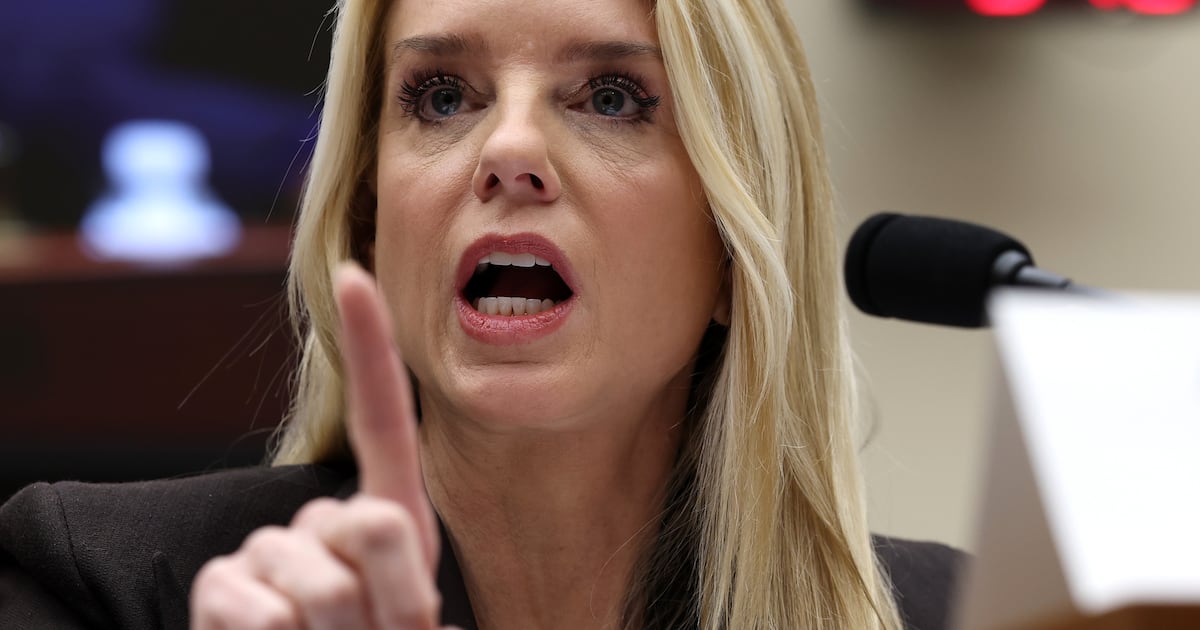
<p>The Department of Justice, led by Attorney General Pam Bondi, sent Congress a six-page letter intended to satisfy the Epstein Files Transparency Act’s reporting requirements. The letter included a list of roughly 130 individuals described as “all government officials and politically exposed persons” mentioned in the Epstein files, and it was co-signed by Deputy Attorney General Todd Blanche.</p><p>The DOJ described the list as comprising government officials or public persons whose names appear multiple times, without specifying whether the references reflect direct contact with Jeffrey Epstein or Ghislaine Maxwell, secondhand mention by others, or unrelated context. The list includes figures previously associated with Epstein as well as former presidents Bill Clinton, Joe Biden, and Barack Obama, and also names such as Keir Starmer, George Clooney, Elvis Presley, Janis Joplin, and Marilyn Monroe.</p><p>The letter followed a House committee hearing in which Bondi refused to answer questions about the release. The DOJ previously released approximately 3.5 million Epstein files on Jan. 30, despite reports that millions more documents remain undisclosed. Blanche stated the DOJ considers its obligations under the Act fulfilled, citing the Act’s 15-day deadline.</p>