Norms Impact
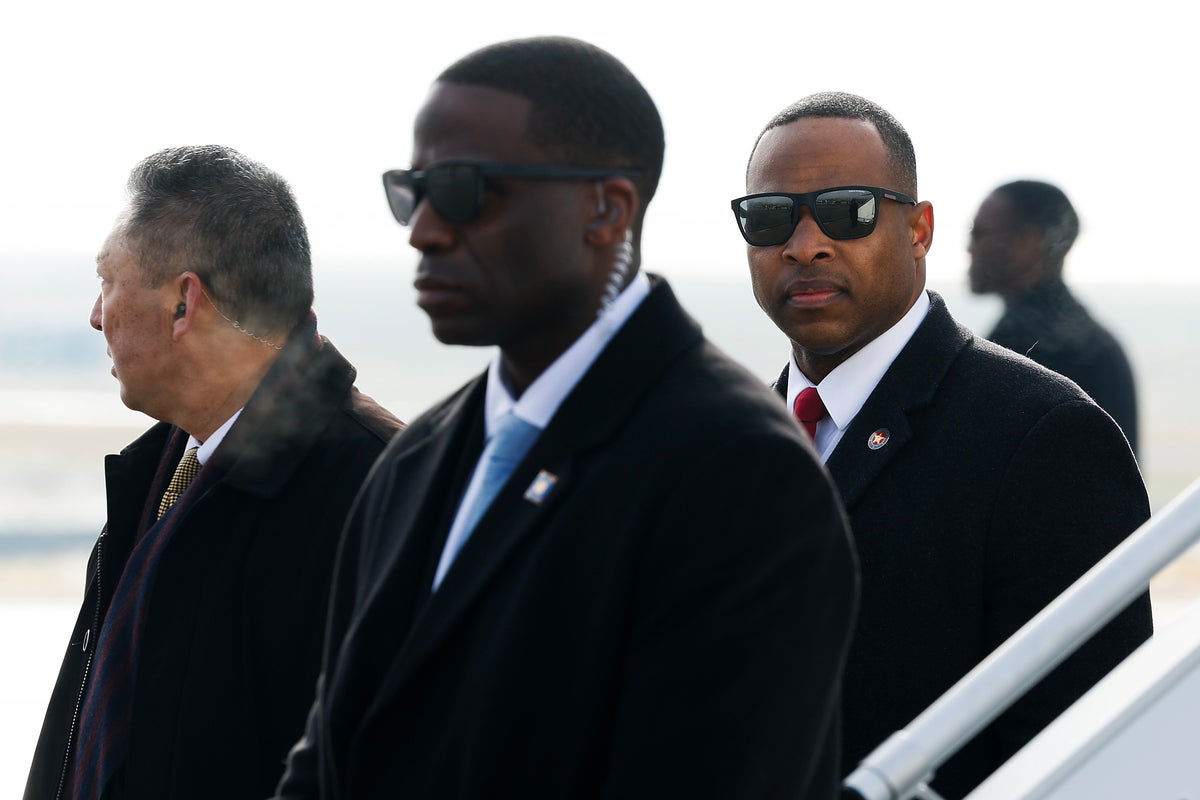
Secret Service to get suits after Noem disliked how protective detail dressed: report
A cabinet secretary’s personal displeasure with agent attire is driving a taxpayer-funded uniform upgrade, blurring the line between operational necessity and prestige procurement.
Feb 21, 2026
Sources
Summary
The Department of Homeland Security has solicited a contract to provide newly trained Secret Service protective-detail agents two tailored, U.S.-made navy suits with names embroidered inside, funded by taxpayers. The reported impetus is a cabinet-level preference shift after Homeland Security Secretary Kristi Noem disliked how a protective detail was dressed, reframing attire decisions as an executive directive rather than an agent-borne expense. The practical consequence is a five-year procurement commitment with an undetermined total cost, executed within existing Secret Service budget lines amid broader funding conflict over DHS.
Reality Check
When executive preferences trigger public spending for appearance-driven perks, we normalize government procurement as a tool of personal image management—and that corrodes the taxpayer’s leverage over how power is exercised. On these facts, this is unlikely to be criminal: a procurement for uniforms funded “inside its current budget,” without allegations of kickbacks, self-dealing, or falsified contracting records, does not inherently implicate federal bribery (18 U.S.C. § 201) or honest-services fraud (18 U.S.C. §§ 1341, 1343, 1346). The democratic harm is the precedent: discretionary agency money gets reoriented toward vanity or hierarchy signaling under senior political pressure, weakening the norm that public funds are spent only on demonstrable operational need rather than personal taste.
Media
Detail
<p>The Department of Homeland Security issued a public contract solicitation, published last week, for tailored suits for Secret Service protective-detail training graduates. The solicitation specifies two navy blue suits per graduate, with the agent’s name embroidered on the inside of the jacket, and requires the suits be entirely made in the United States.</p><p>Two people familiar with the matter told CNN that Homeland Security Secretary Kristi Noem disliked the suits a protective detail had purchased for themselves, which prompted the solicitation. The contract’s total cost has not been determined; it would cover a five-year ordering period.</p><p>A CNN source said the Secret Service located funding within its current budget. It is unclear whether a partial government shutdown would affect the solicitation, amid Democrats withholding funding from DHS in a dispute over reforms to its immigration enforcement arm. DHS spokesperson Tricia McLaughlin said the change “does not have to do with optics” and described it as addressing an inequity between Uniformed Division officers, whose on-duty clothing is provided, and protective-detail agents, who currently pay for their work attire.</p>