Norms Impact
Justice Department withheld and removed some Epstein files related to Trump
When the Justice Department can quietly withhold and scrub legally mandated files that implicate the sitting president, transparency becomes discretionary and accountability collapses into executive control.
Feb 24, 2026
⚖ Legal Exposure
Sources
Summary
The Justice Department withheld and removed portions of publicly mandated Jeffrey Epstein-related records that contain allegations involving President Trump, including pages tied to FBI interviews. The department’s handling of the Epstein Files Transparency Act release shows executive-branch control over what the public can verify about politically sensitive material, even when documents are catalogued in official logs. The practical consequence is a public record that can be selectively incomplete, impairing congressional oversight and citizen accountability while victims’ anonymity protections were simultaneously mishandled.
Reality Check
This is a blueprint for selective transparency: when the executive branch curates a public database to remove or withhold politically sensitive files, we lose the ability to verify what government knows about power. The conduct described is not clearly chargeable on this record, but it squarely implicates federal transparency and records-integrity duties under the Epstein Files Transparency Act’s release mandate and raises the specter of obstruction-of-oversight norms through document suppression. Even if DOJ cites victim-protection review, the combination of missing catalogued pages, unexplained removals, and refusal to answer on the record normalizes a system where legally required disclosure can be selectively delayed or denied. Our rights do not survive on trust; they survive on complete, auditable records and equal application of disclosure rules regardless of who is named.
Legal Summary
The described conduct supports Level 2 exposure: significant procedural and legal compliance concerns that warrant investigation into whether DOJ unlawfully withheld records and whether any removals were intended to impede lawful oversight. The fact pattern is primarily a transparency/obstruction-risk issue tied to selective handling of Trump-referenced files, not a transactional money-for-official-action scheme based on the article.
Legal Analysis
<h3>18 U.S.C. § 1505 — Obstruction of proceedings before departments, agencies, and committees</h3><ul><li>Alleged conduct: DOJ “removed or withheld” Epstein-related files mentioning President Trump from a public database, despite a law mandating release, while Congress is reviewing unredacted files and lawmakers accuse DOJ of violating the law.</li><li>Element mapping/inference: selective non-publication or takedowns in proximity to congressional scrutiny can indicate an effort to impede lawful congressional/agency functions, though the article does not state who directed the actions or a corrupt intent.</li><li>Gap: no identified decision-maker, directive, or proof the removals were done “corruptly” rather than for victim-privacy review.</li></ul><h3>18 U.S.C. § 1512(c)(2) — Obstruction of an official proceeding</h3><ul><li>Alleged conduct: withholding or scrubbing specific records (including interview notes/pages) that relate to allegations about the President, in a context where unredacted copies are being reviewed by lawmakers and releases are subject to statutory deadlines.</li><li>Element mapping/inference: targeted suppression of responsive material could constitute obstructive conduct if tied to an “official proceeding” and undertaken with intent to influence/impair evidence availability; structural inference is heightened because the missing material is described as Trump-related.</li><li>Gap: the article does not allege an ongoing criminal trial/proceeding affected, does not identify intent, and notes DOJ claims removals were for victim/counsel review and PII redactions.</li></ul><h3>5 U.S.C. § 552 (FOIA) / statutory transparency mandate (as described in article) — Unlawful withholding of agency records</h3><ul><li>Alleged conduct: “Some files have not been made public despite a law mandating their release,” including ~53 pages of FBI interview documents/notes referenced by serial numbers and discovery logs.</li><li>Element mapping/inference: if DOJ is obligated to publish and has catalogued the records yet does not release them, that supports a civil unlawful-withholding theory; the focus here is compliance/administrative illegality rather than a bribe-based quid pro quo.</li><li>Gap: the article does not specify the exact statutory mechanism, scope of mandatory disclosure, or applicable exemptions (e.g., victim privacy/PII, sensitive investigative material).</li></ul><h3>5 C.F.R. Part 2635 (Standards of Ethical Conduct) / DOJ ethics norms — Appearance of partiality / misuse of position</h3><ul><li>Alleged conduct: withholding/removing files specifically related to allegations involving the sitting President, while publicly asserting exoneration and managing releases criticized by both parties.</li><li>Element mapping/inference: even absent proof of criminal intent, selective handling of politically sensitive records can create an appearance of partiality and misuse of official position.</li></ul><b>Conclusion:</b> The article presents a serious investigative red flag of potential unlawful withholding and possible obstruction-related exposure driven by selective transparency, but it does not establish a money-access-official-act quid pro quo or sufficient facts of corrupt intent by identifiable actors to charge structural corruption crimes on this record.</p>
Detail
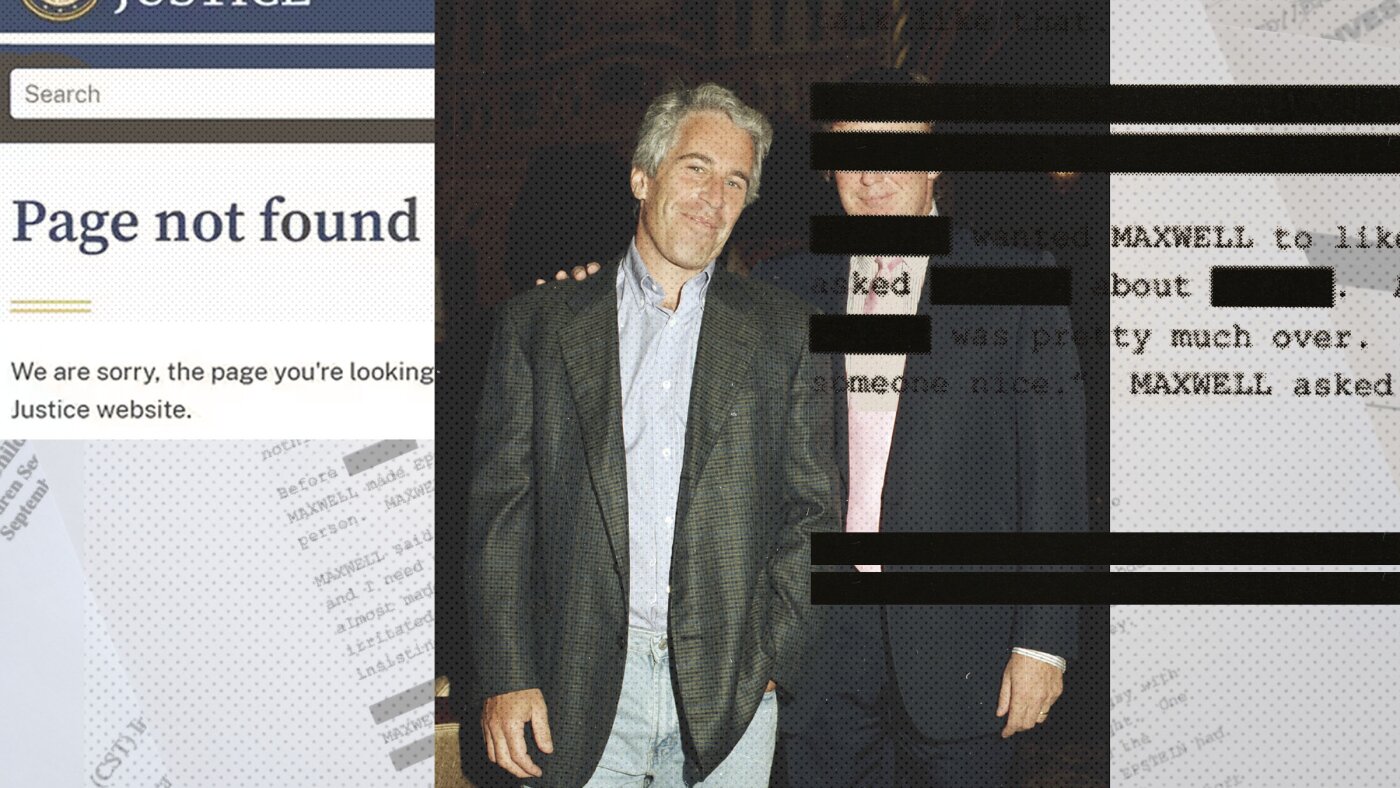
<p>An NPR investigation found that the Justice Department withheld and removed some Epstein-related files that mention President Trump, including records tied to allegations of sexual abuse of a minor. NPR reviewed serial numbers stamped on documents in the Justice Department’s Epstein files database, FBI case records, emails, and discovery logs from the latest tranche published at the end of January, and identified dozens of pages appearing to be catalogued but not publicly posted.</p><p>The missing material includes what appears to be more than 50 pages of FBI interview reports and notes connected to a woman who accused Trump of abuse when she was a minor; the FBI interviewed her four times, but only the first 2019 interview is publicly available and it does not mention Trump. NPR’s review indicated 53 pages of interview documents and notes missing from the public database.</p><p>NPR also found files involving a key Maxwell trial witness that were taken down and restored in part, with other documents still offline. DOJ declined to answer specific questions on the record; it said temporary removals occur when flagged by a victim or counsel for review.</p>