Norms Impact
Nude photos and passports: Justice Department posted dozens of problematic images to Epstein files site, CNN analysis finds | CNN Politics
The Justice Department’s Epstein-file release exposed minors and private identifiers online, breaching the government’s core duty to protect victims and personal privacy while executing transparency mandates.
Feb 26, 2026
Sources
Summary
The Justice Department posted Epstein-related files online with dozens of images that should have been redacted, including photos of minors and images containing passport and driver’s license data, leaving some visible for nearly a month. A fast-tracked, congressionally mandated transparency release was executed without reliably protecting legally protected privacy interests, then corrected only after outside scrutiny. The practical consequence is irreversible exposure risk for victims and uncharged individuals, with sensitive material potentially copied and redistributed beyond government control.
Reality Check
This conduct endangers our rights by normalizing a federal disclosure regime where victims’ privacy and safety are treated as collateral damage until the press forces a fix. Even if the release was compelled by statute, posting unredacted minors’ images, survivor identifiers, and passport and driver’s license data is a failure to execute the law’s explicit privacy protections and undermines the government’s duty to treat crime victims with dignity and respect for their privacy. The most plausible legal exposure is not a clean federal “leak” crime but a serious governance breach: a preventable, foreseeable publication of protected personal and victim information that the governing transparency law specifically allowed DOJ to withhold or required it to redact. Once the government itself publishes this material, the harm is durable—copies can persist off-site and be used for exploitation, harassment, or retaliation long after the redaction patch is applied.
Detail
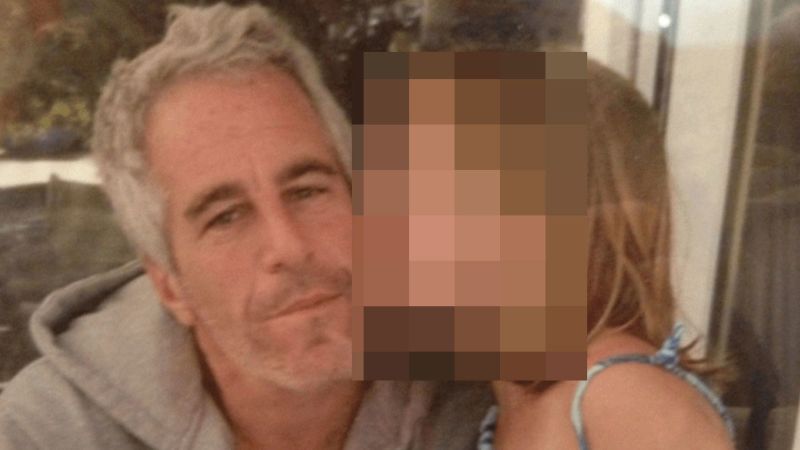
<p>CNN, working with Visual Layer to analyze 100,000 images from a Justice Department release tied to Jeffrey Epstein, identified unredacted materials on a DOJ website that the governing transparency law permitted the department to withhold or required it to redact to prevent an unwarranted invasion of personal privacy. CNN found more than a dozen images that remained viewable for nearly a month, including photos of children and a young girl kissing Epstein on the cheek, as well as images of passports and driver’s licenses for at least seven people showing addresses, dates of birth, and other identifiers.</p><p>The review also found more than 100 explicit photos appearing to show naked teenagers on a beach, plus other nude images where ages were unknown; those were removed more quickly or re-uploaded with redactions. CNN reported additional redaction failures across the releases, including documents naming a survivor, videos showing women’s faces, footage of an undercover FBI agent, and a filing where sensitive text could be revealed via copy-and-paste. After CNN contacted DOJ on Monday, the department replaced files on Tuesday with versions that redacted faces and private data.</p>