Norms Impact
“It Ends Today”: Judge Threatens to Haul in DOJ Officials Under Oath
A federal judge is preparing to put DOJ and DHS officials under oath after admitted violations of dozens of court orders, a direct breach of the judiciary’s authority to enforce rights.
Feb 26, 2026
⚖ Legal Exposure
Sources
Summary
A federal judge ordered the immediate release of a 29-year-old Salvadoran immigrant with no criminal record and warned he may compel DOJ and DHS officials to testify under oath after repeated violations of immigration court orders. The court signaled a shift from written admonitions to potential show-cause proceedings and sworn testimony to enforce compliance. The practical consequence is that future unauthorized detentions in that New Jersey district could trigger hearings that force executive agencies to justify noncompliance in open court.
Reality Check
The threat is the normalization of executive agencies treating federal court orders as optional—an erosion of judicial supremacy that leaves ordinary people’s liberty dependent on bureaucratic defiance rather than lawful process. On this record—conceded violations of 72 immigration habeas orders in one district and conduct the court describes as intentional—the most immediate legal exposure is contempt of court and sanctions, not a single clean federal criminal count.
Still, when government actors knowingly flout judicial orders and keep people detained anyway, we are in the terrain of willful noncompliance that courts can punish through civil or criminal contempt to restore the rule of law. If this pattern stands, our rights become provisional, because any court remedy can be nullified by agencies that decide they will not obey.
Legal Summary
A federal judge reports a conceded pattern of DOJ/DHS noncompliance with immigration habeas court orders (72 violations) and characterizes continued violations as intentional, creating meaningful exposure for contempt/obstruction and civil-rights violations. The current record in the article supports a Level 2 investigative posture because individual actors, specific orders, and proof of willfulness are not yet developed. The fact pattern reflects procedural/abuse-of-process misconduct rather than a money-access quid-pro-quo structure.
Legal Analysis
<h3>18 U.S.C. § 401 — Criminal contempt of court</h3><ul><li>Alleged DOJ/DHS conduct includes repeated violations of federal court orders in immigration habeas matters (U.S. Attorney’s Office “conceded” violating 72 orders), supporting a willful-disobedience theory.</li><li>The judge characterizes continued post-warning violations as “intentional,” which, if supported by evidence of notice and ability to comply, aligns with contempt elements.</li><li>Key gap: the article does not identify specific officials, the precise orders violated, or evidentiary proof of willfulness for each violation; individual culpability would require attribution and intent evidence.</li></ul><h3>18 U.S.C. § 1503 — Obstruction of justice (judicial proceedings)</h3><ul><li>Systematic noncompliance that “largely frustrated” court efforts to protect detainee rights could be investigated as interference with the due administration of justice.</li><li>The scale of conceded violations (72) and alleged underreporting supports an inference of institutional disregard that may cross from negligence into corrupt interference if intentional circumvention is shown.</li><li>Key gap: corrupt intent and specific obstructive acts beyond noncompliance are not established in the article.</li></ul><h3>18 U.S.C. § 242 — Deprivation of rights under color of law</h3><ul><li>“Unauthorized detentions and arrests” and failure to comply with release orders implicate potential deprivation of liberty without due process under color of law.</li><li>Judge-ordered “immediate release” of a detainee with no criminal record underscores potential unlawfulness of continued detention after judicial intervention.</li><li>Key gap: §242 requires willfulness; the article reports the judge’s conclusion of intentional misconduct but lacks underlying proof tying willfulness to particular actors.</li></ul><h3>42 U.S.C. § 1983 / Bivens-type exposure (civil rights claims) — Civil liability signals</h3><ul><li>Repeated violations of habeas orders and alleged intentional misconduct create substantial civil exposure for unlawful detention and due process violations.</li><li>Pattern allegations in a single district (New Jersey) may support supervisory and policy/practice-focused discovery, even if individual criminal intent is not yet proven.</li></ul><b>Conclusion:</b> The described conduct presents serious investigative red flags for intentional court-order noncompliance and unlawful detention (procedural/abuse-of-process concerns), but the article does not establish the individualized, willful elements necessary to confidently charge criminal contempt/obstruction at this stage.</p>
Media
Detail
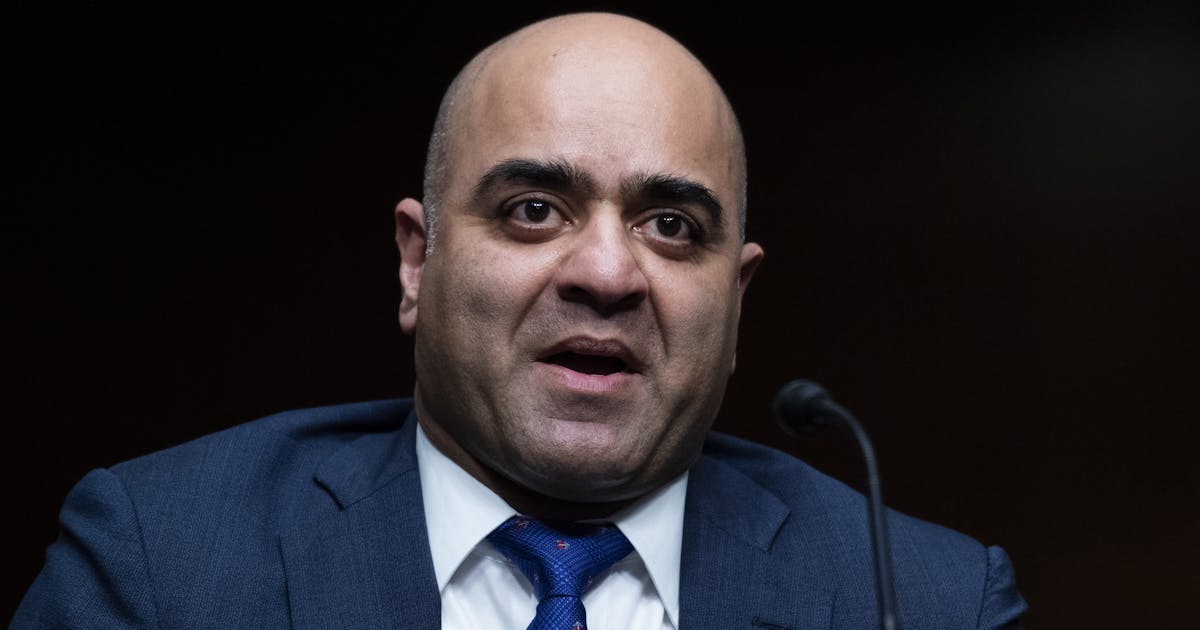
<p>U.S. District Judge Zahid Quraishi ordered the immediate release of Diana Elizabeth Cartagena Hueso, a 29-year-old immigrant from El Salvador with no criminal record, in a case in the federal district of New Jersey.</p><p>In the ruling, he cited multiple immigration matters in that district in which the government has “largely frustrated” court efforts to protect detainees’ rights. He wrote that earlier in February the U.S. Attorney’s Office conceded it had violated 72 orders issued in immigration habeas cases in the district, and noted another judge indicated the figure may have been underreported.</p><p>Quraishi stated that continued conduct after prior judicial intervention could only be deemed intentional and warned that if additional unauthorized detentions and arrests come before him, he will order officials to show cause and schedule hearings requiring testimony under oath from DOJ and DHS officials.</p><p>The ruling described similar instances in which the government released detainees when confronted with the prospect of sworn testimony, citing a recent case in Minnesota involving Juan Tobay Robles.</p>