Norms Impact
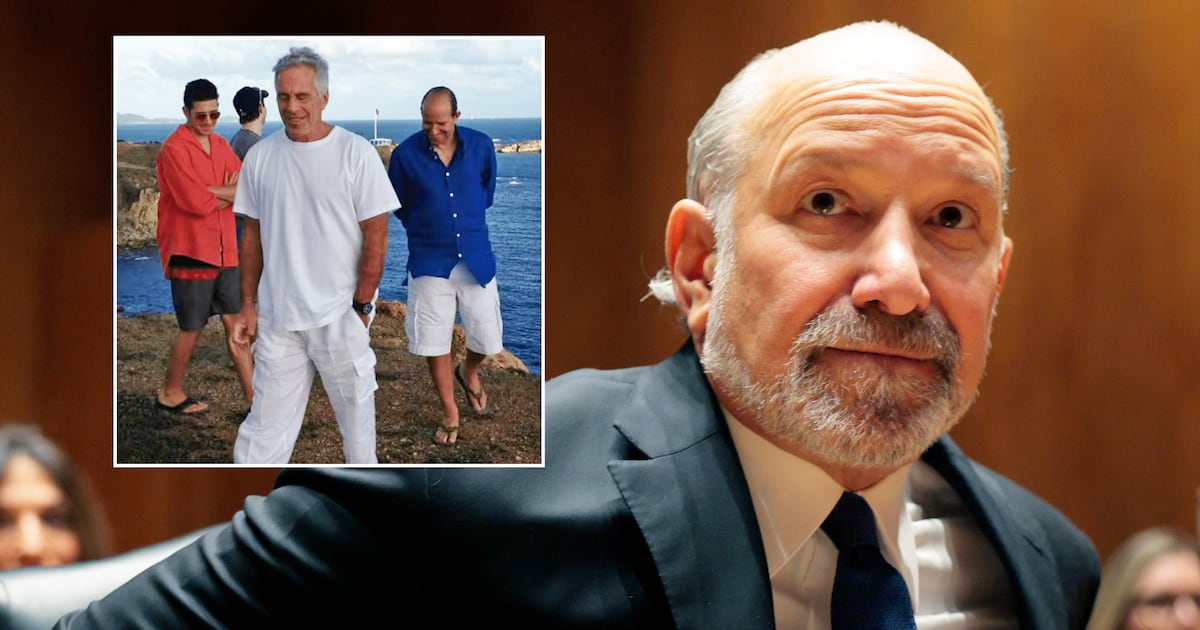
DOJ Gives Shameless Reason for Hiding Photo of Lutnick and Epstein
When DOJ can quietly pull a cabinet official’s Epstein-island photo from a public portal and promise a “rolling” reupload, public accountability becomes an executive-controlled edit.
Feb 27, 2026
⚖ Legal Exposure
Sources
Summary
The Department of Justice removed from its public Epstein-files portal a photo that appears to show Commerce Secretary Howard Lutnick walking with Jeffrey Epstein on Little St. James, then said it was swept up in a nudity-flagged batch pull. The episode places federal disclosure infrastructure under discretionary, politically sensitive curation inside the executive branch. The practical consequence is that the public record of a cabinet official’s proximity to a major criminal case can be delayed, altered, and selectively reintroduced through “rolling” redactions without transparent criteria.
Reality Check
This kind of discretionary suppression of politically sensitive public records corrodes our ability to audit power and invites a precedent where evidence is “reviewed” away until it’s safe for the administration. On these facts, it is not clearly criminal, but if any removal were done with intent to impede oversight or a foreseeable proceeding, it can implicate federal obstruction frameworks such as 18 U.S.C. §§ 1505 and 1519. Even absent provable intent, the conduct violates core governance norms: neutral recordkeeping, transparent redaction standards, and insulation of DOJ disclosure decisions from political protection. When the same portal mistakenly publishes explicit victim images yet pulls a fully clothed cabinet photo, our rights to know and to hold officials accountable are treated as optional.
Legal Summary
The article raises a serious investigative concern that DOJ may have selectively withheld or mischaracterized the basis for removing a politically sensitive image, suggesting potential politicization or improper preferential treatment. However, it does not allege an explicit corrupt agreement, deletion, or clear obstruction of a specific proceeding, leaving key criminal elements unproven. Exposure is best categorized as a Level 2 investigative red flag pending further evidence on intent and any actual concealment or alteration.
Legal Analysis
<h3>18 U.S.C. § 1505 — Obstruction of proceedings (agency/congressional)</h3><ul><li>DOJ removed a specific photo depicting a sitting Cabinet official with Epstein from a public DOJ portal, then offered a justification (“flagged for nudity”) that appears facially inconsistent with the fully clothed image, supporting an inference of potentially misleading process handling.</li><li>If the portal constitutes an agency “proceeding” or official process for public release of investigative files, selectively withholding or mischaracterizing the reason for removal could be investigated as corrupt interference; the article does not allege direct intent to obstruct a specific pending proceeding, leaving an element gap.</li></ul><h3>18 U.S.C. § 1519 — Destruction/alteration/falsification of records in federal matters</h3><ul><li>The DOJ states “No files are being deleted” and that items are pulled for review and re-uploaded with redactions; on the face of the article, this cuts against a completed §1519 violation (destruction/alteration) and points more to procedural irregularity.</li><li>However, the sequence—initial public availability, subsequent removal of a politically sensitive image, and a questionable stated rationale—creates investigative concern about whether material was concealed or improperly altered in a federal matter, though the article does not claim actual destruction or falsified metadata.</li></ul><h3>5 C.F.R. Part 2635 — Federal ethics / appearance of impropriety</h3><ul><li>The alleged selective removal of an image involving a high-ranking official can create an appearance of preferential treatment or political favoritism, particularly where other explicit Epstein-related images were mistakenly uploaded, suggesting inconsistent handling.</li></ul><b>Conclusion:</b> The facts primarily indicate a serious investigative red flag and potential politicized/irregular handling of DOJ public records rather than a clearly chargeable quid-pro-quo or completed obstruction offense on the current record.
Detail
<p>The Department of Justice removed a photograph of Commerce Secretary Howard Lutnick from its public online library of files related to Jeffrey Epstein after the image was found in a downloaded cache of released Epstein materials.</p><p>The photo appears to show Epstein and Lutnick walking on Little St. James, with three other unidentified men; all are fully clothed. In a statement, a DOJ official said the image was “part of a batch of files that had been flagged for nudity,” and that “thousands of images” were pulled for review and would be reuploaded with “necessary redactions on a rolling basis,” adding: “No files are being deleted.”</p><p>The image was located by “jmail,” a searchable archive created by two tech workers who downloaded the latest releases. The removal drew scrutiny because the DOJ portal previously uploaded more than 100 explicit photos of Epstein’s victims before removing and redacting them.</p><p>Other released documents reflect Lutnick’s continued email contact with Epstein for years, including after Epstein’s 2008 guilty plea, and reference a 2012 visit to Little St. James and business discussions as recently as 2018.</p>