Norms Impact
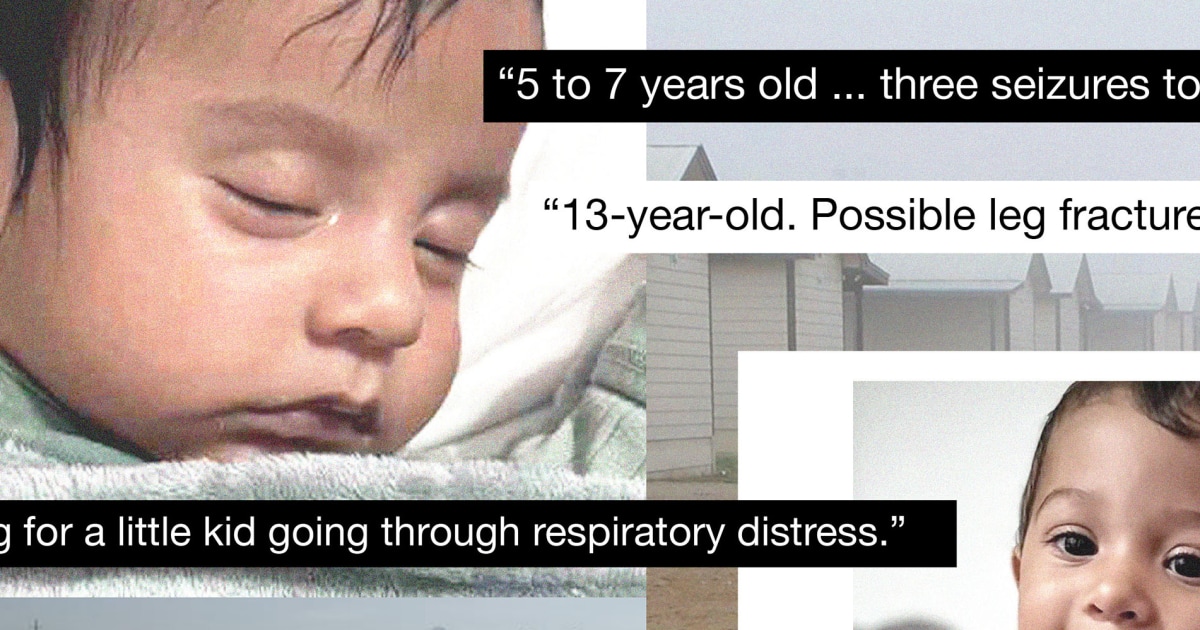
911 calls capture kids burning with fever, struggling to breathe at ICE detention center
When custody becomes control over medicine and exposure, the government turns basic pediatric care into a coercive hardship that violates the duty to protect people it detains.
Feb 27, 2026
⚖ Legal Exposure
Sources
Summary
A 17-month-old child detained with her asylum-seeking family in Dilley, Texas, developed escalating respiratory symptoms, including fever and strained, wheezy breathing, while in custody after a transfer from El Paso.
The detention center’s medication-delivery process requires families to line up outside multiple times per day, sometimes for hours in freezing temperatures or rain, even when a child is sick.
That structure forces caregivers to choose between continuous exposure to harsh weather and delayed treatment, compounding health risk inside a facility the government controls.
Reality Check
Forcing sick children in government custody to stand outside for hours for each dose of medicine normalizes institutional neglect, and once normalized, it erodes our expectation that state power must preserve life and health—not gamble with it. If the facts show deliberate indifference to serious medical needs, this conduct can trigger civil rights liability under 42 U.S.C. § 1983 for state actors or a Bivens-type claim against federal officials, and it implicates constitutional due-process protections for detainees. Even where criminal charges are unlikely on this record alone, it violates core governance norms by converting medical access into a punitive administrative choke point, weakening our rights the moment the state controls a person’s body and movement.
Legal Summary
The facts alleged describe potentially dangerous detention conditions and barriers to medical access for a seriously ill child, creating significant civil-rights and civil-liability exposure and warranting investigation. However, the context does not establish willful deprivation by identifiable officials or a coordinated scheme, so criminal exposure is not clearly chargeable from the article alone.
Legal Analysis
<h3>18 U.S.C. § 242 — Deprivation of rights under color of law</h3><ul><li>Alleged conditions at a federal immigration detention center required families to wait outside for hours in freezing temperatures or rain to obtain each dose of medicine for a 17-month-old with fever and worsening respiratory distress, potentially exposing detainees to unreasonable and unsafe conditions while in government custody.</li><li>Key gap for criminal exposure: the article context does not establish willfulness (knowing, specific intent to deprive constitutional rights) by identifiable officials, though the described policy could warrant investigation into deliberate indifference.</li></ul><h3>18 U.S.C. § 241 — Conspiracy against rights</h3><ul><li>If a facility policy was jointly implemented/enforced to deny or unreasonably delay necessary medical care, it could implicate coordinated action affecting detainees’ due process rights.</li><li>Key gap: no facts in the context show an agreement among specific actors to violate rights; only the existence and effects of a policy are described.</li></ul><h3>42 U.S.C. § 1983 / Bivens-type constitutional claims (civil exposure) — Conditions of confinement & medical care</h3><ul><li>Allegations of worsening respiratory symptoms over weeks and a medication-dispensing practice requiring repeated outdoor lines in harsh weather could support a civil claim for unconstitutional conditions and deliberate indifference to serious medical needs in custody.</li><li>Key gap: article context does not identify decisionmakers, medical evaluations, or responses after complaints, limiting element-by-element attribution.</li></ul><b>Conclusion:</b> The described medication-access policy and reported deterioration of a toddler’s health present a serious investigative red flag for unconstitutional conditions/medical-care violations, but the context does not supply the intent and actor-specific facts needed to characterize it as prosecutable structural corruption or a clearly chargeable criminal civil-rights case on its face.</p>
Detail
<p>In mid-January, Kheilin Valero Marcano reported that her 17-month-old daughter, Amalia, had been getting progressively sicker while detained with her family in Dilley, Texas. The family, asylum-seekers, were arrested by federal officers during an immigration check-in in El Paso and transferred to Dilley.</p><p>Valero Marcano and a habeas corpus petition seeking the family’s release state that Amalia experienced worsening respiratory symptoms over several weeks, beginning with fever and progressing to persistent cough, thick mucus, and strained, wheezy breathing. Valero Marcano said care was complicated by a policy requiring families to line up outside for each dose of medicine.</p><p>She said they stood in line three times daily—morning, after lunch, and evening—to obtain pain medicine and antibiotics, sometimes for hours in freezing temperatures or rain, wrapping the child in a blanket on very cold days.</p>