Norms Impact
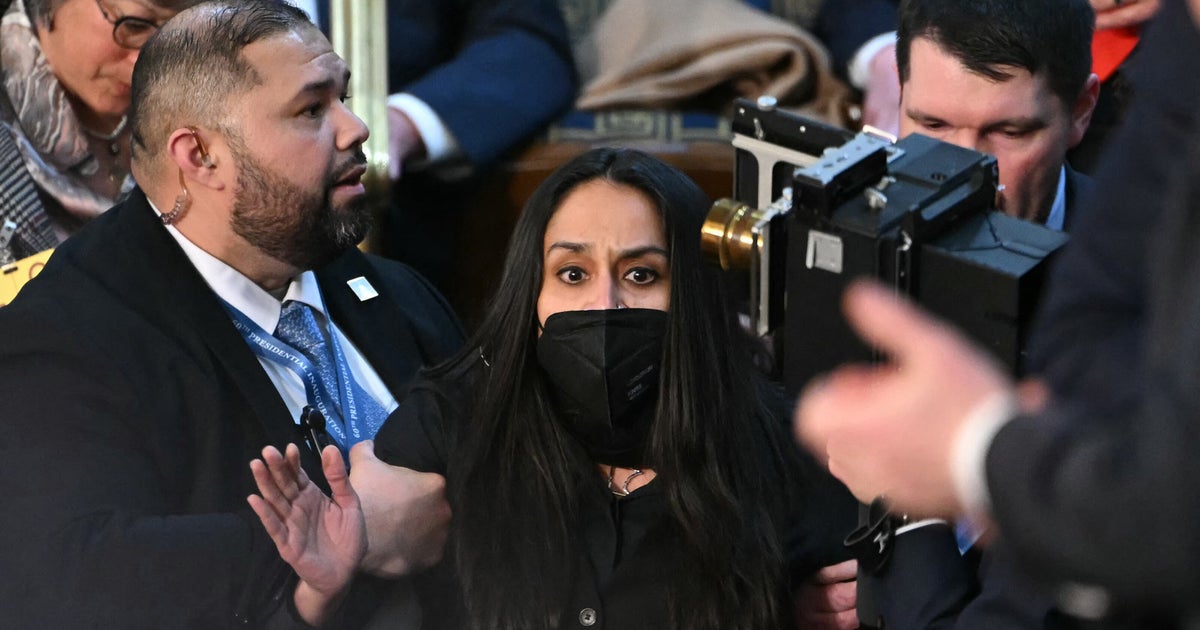
‘I Just Stood Up’: The Stunning Arrest Of Aliya Rahman At The State Of The Union
A silent rise in the House Gallery was treated as “disruption,” setting a precedent that criminalizes nonverbal dissent at the nation’s most protected civic ritual.
Mar 1, 2026
⚖ Legal Exposure
Sources
Summary
Aliya Rahman was arrested by U.S. Capitol Police in the House Gallery during the State of the Union after standing up silently, and she was charged under D.C. Code §10-503.16 for “Unlawful Conduct, Disruption of Congress.”
Capitol Police asserted that standing up can constitute “demonstrating” and described their repeated orders to sit as “lawful,” while declining to release a public incident report.
The enforcement choice turns ordinary, nonverbal dissent at a core civic ceremony into jailable conduct carrying up to six months in prison.
Reality Check
When police power inside Congress is stretched to treat silent, nonobstructive conduct as a jailable “demonstration,” the precedent converts public visibility into a liability and chills lawful political expression.
Normalizing arrests for ordinary, wordless gestures at a State of the Union expands discretionary enforcement in the seat of the legislature, weakening guardrails against viewpoint-based policing.
This is prosecutable corruption risk in practice because selective, low-threshold “disruption” charges can be used to punish disfavored critics while preserving plausible deniability, degrading our shared expectation of equal rule-of-law treatment.
Legal Summary
Exposure is primarily a serious investigative red flag: the arrest hinges on whether silent standing qualifies as “demonstrating”/“disruption,” which the attendee and witnesses dispute. The charge against Rahman appears contestable on the statute’s elements, and the officers’ force/handling raises potential rights-violation concerns, but the article does not establish the clear willful intent needed for strong criminal civil-rights prosecution.
Legal Analysis
<h3>D.C. Code § 10-503.16 — Unlawful Conduct / Disruption of Congress</h3><ul><li>Capitol Police assert Rahman was “demonstrating” by standing in the House Gallery, was ordered to sit “multiple times,” and “refused,” supporting a charging theory of failing to obey lawful orders and engaging in disorderly/disruptive conduct.</li><li>Rahman and witnesses describe silent standing without signs, obstruction, or noise; if credited, this undermines key “disruption”/“disorderly” elements and raises substantial doubt that the conduct met the statute’s threshold.</li><li>Key evidentiary gap: the underlying police report is not public; the case turns on body-worn/venue video, contemporaneous witness accounts, and whether the orders and conduct objectively constituted “disruption.”</li></ul><h3>18 U.S.C. § 242 — Deprivation of Rights Under Color of Law (potential exposure for officers, if willfulness shown)</h3><ul><li>Allegations include aggressive physical handling, removal of a disability cane, and continued pulling despite warnings about shoulder injuries; if proven and unjustified, could support an excessive-force / unreasonable-seizure theory.</li><li>However, the article does not establish willful intent to deprive constitutional rights beyond dispute; the government would argue enforcement of gallery decorum rules and compliance with orders.</li><li>Selective enforcement is alleged (Rahman believes she was singled out as Omar’s guest), but the police deny knowledge of her background; absent proof of discriminatory intent, criminal civil-rights elements are incomplete.</li></ul><h3>First Amendment / Due Process (civil exposure indicator; not a criminal statute)</h3><ul><li>Arresting a silent attendee for standing as “demonstrating” may implicate viewpoint discrimination and overbroad application of decorum rules, supporting motions to dismiss/suppress and potential civil claims.</li><li>Ambiguity over whether she was under arrest while handcuffed and held, plus denial of a cane, are procedural red flags relevant to reasonableness and accommodations for disability.</li></ul><b>Conclusion:</b> The fact pattern reflects serious investigative red flags and potential unlawful enforcement (procedural/rights-impairing irregularities) rather than a money-access-official-action corruption structure; prosecutable criminal exposure for officers would depend on proof of willfulness and unreasonableness beyond the disputed “disruption” narrative.</p>
Media
Detail
<p>Aliya Rahman, a 43-year-old Bangladeshi American software engineer from Minneapolis, attended the State of the Union as a guest of Rep. Ilhan Omar (D-Minn.). Rahman said she stood up silently at points during the address, including after the president wished a veteran “happy birthday” and again after remarks about Minneapolis’ Somali community; she said she held no signs, made no noise, and did not obstruct anyone.</p><p>Rahman said officers approached her in the gallery and told her she “couldn’t stand up,” then grabbed her by the shoulders and removed her. She said Capitol Police handcuffed her, took her cane, held her in a stairwell, and later booked her at U.S. Capitol Police headquarters; she was taken to George Washington University Hospital for treatment after being dragged out.</p><p>Capitol Police said she “started demonstrating,” refused orders to sit, and was arrested at approximately 10:07 p.m. under D.C. Code §10-503.16. A spokesperson said standing can be a form of demonstration and stated officers did not know her background or whose guest she was.</p>