EXCLUSIVE: Thousands of Kurdish fighters launch ground offensive into Iran against regime, official says – i24NEWS
A reported U.S. turn toward arming insurgents inside Iran would normalize proxy escalation without the public accountability our system depends on.
Mar 4, 2026
⚖ Legal Exposure
Sources
Summary
A Kurdish political official says thousands of PJAK fighters based in Iraq have moved into combat positions inside Iran and begun ground operations near Mariwan. In parallel, multiple U.S. media reports describe the Trump administration and U.S. intelligence exploring support for armed Kurdish groups inside Iran to pressure Tehran. If U.S. backing materializes, it would shift American leverage toward proxy warfare and expand the space for covert escalation beyond public authorization or accountability.
Reality Check
Normalizing clandestine support for armed groups abroad weakens democratic control over war powers by moving consequential state action into channels the public cannot meaningfully scrutinize. When executive decision-making shifts toward covert escalation, oversight becomes reactive, fragmented, and easily bypassed, eroding the separation-of-powers guardrails that restrain conflict expansion. Our institutions degrade when national-security choices are operationalized through plausible deniability instead of transparent authorization and durable checks.
Legal Summary
The reported exploration of arming Kurdish fighters and high-level communications about partnering with armed groups inside Iran creates meaningful legal and oversight exposure, especially if any support were provided to prohibited recipients or for unlawful violent objectives. However, the article does not establish actual U.S. material support, recipient designation status, or concrete statutory elements beyond speculative planning. This is primarily an investigative red flag requiring verification of authorization, recipients, and any support provided.
Legal Analysis
<h3>18 U.S.C. § 956(a) — Conspiracy to commit murder/kidnapping/maiming outside the United States</h3><ul><li>The article describes an armed group (PJAK) launching a ground offensive into Iran and taking combat positions; if U.S. persons or officials knowingly agreed to support operations involving planned killings/maimings abroad, exposure could attach.</li><li>Current facts do not identify U.S. participants, agreement, or overt acts by U.S. persons—creating a proof gap, but the described U.S. government “exploring plans to arm” and leadership communications heighten investigative interest.</li></ul><h3>18 U.S.C. § 2339A — Providing material support knowing it will be used for certain terrorism offenses</h3><ul><li>The reporting that the CIA is “exploring plans to arm Kurdish forces” to foment an uprising flags potential “material support” risk if support is provided with requisite knowledge and tied to predicate offenses.</li><li>The article does not establish that any U.S. support was actually provided, nor that the recipient group is tied to a specific federal terrorism predicate offense in the reporting—key missing elements.</li></ul><h3>18 U.S.C. § 2339B — Providing material support to designated foreign terrorist organizations (FTOs)</h3><ul><li>If any referenced Kurdish armed group were an FTO, furnishing arms/training/funding would be per se criminal exposure; the article, however, does not state any designation status.</li><li>Because designation and knowing support are not established in the article, this remains an investigative red flag rather than charge-ready conduct.</li></ul><h3>50 U.S.C. § 3093 — Covert action (presidential finding/notification framework)</h3><ul><li>Reports that the CIA is exploring arming forces to foment an uprising inside Iran raise oversight/compliance risk if done as covert action without proper authorization and notification.</li><li>The article provides no facts on whether any such activity occurred or whether statutory procedures were followed, so exposure is procedural/oversight-focused at this stage.</li></ul><b>Conclusion:</b> The article presents significant national-security and potential unlawful-support indicators (arming foreign militants; fomenting uprising) but lacks concrete facts of actual U.S. provision, specific prohibited recipient status, or a defined illegal agreement; this is best characterized as a serious investigative red flag rather than established prosecutable structural corruption.
Media
Detail
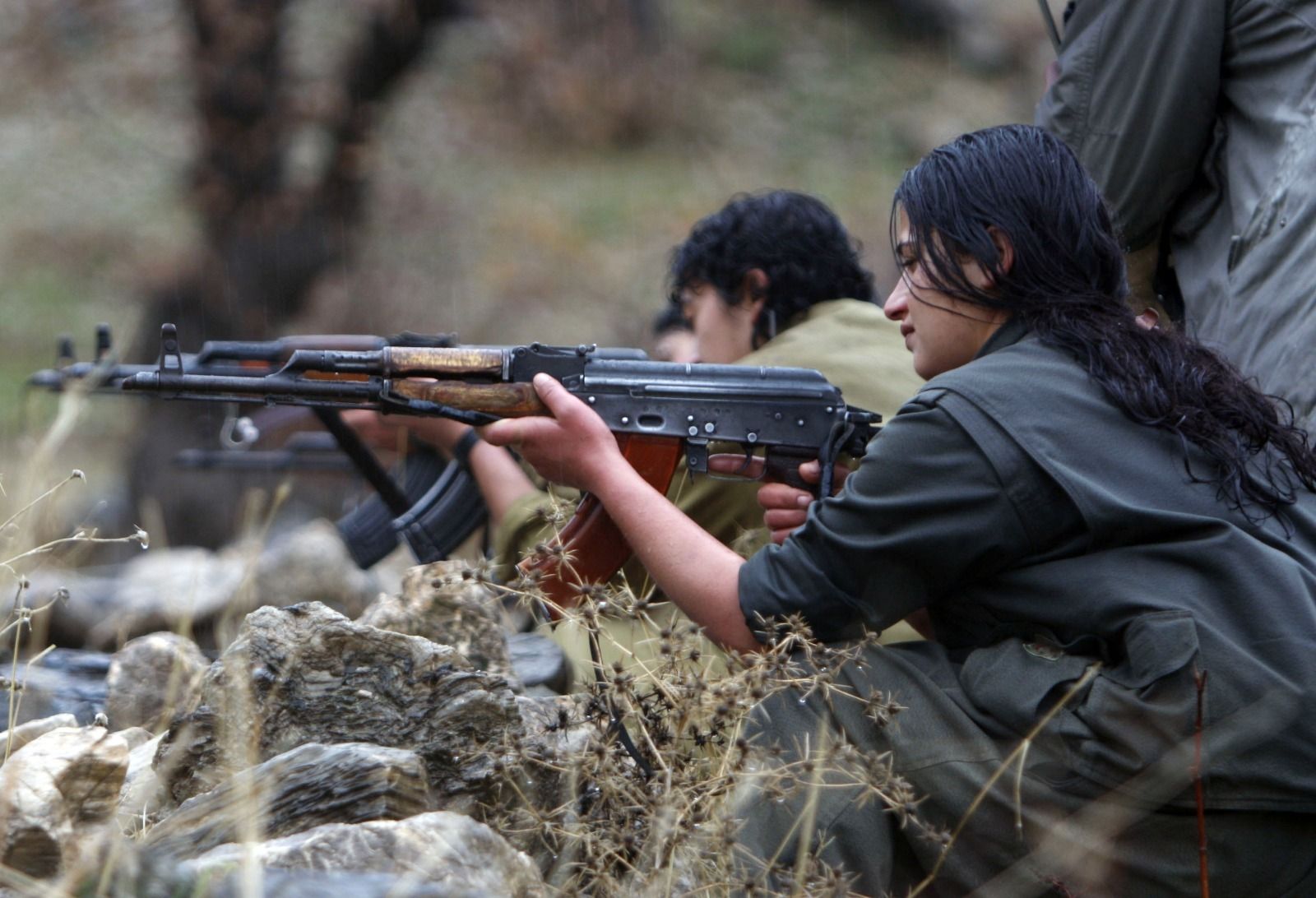
<p>An official from the Coalition of Political Forces of Iranian Kurdistan (CPFIK) told i24NEWS that Kurdish armed groups based in Iraq have begun a military offensive against Iranian regime forces. The official said fighters affiliated with the Kurdistan Free Life Party (PJAK) started taking combat positions inside Iranian territory beginning at midnight on March 2, and that Iranian forces evacuated the border city of Mariwan on March 3 while establishing defensive positions in and around the area.</p><p>The official said PJAK fighters moved into positions around the southern mountains of Mariwan and that thousands are deployed inside Iran’s mountainous regions, including deep within the Zagros Mountains. He described PJAK as operating two armed wings, the YRK and the HPJ.</p><p>Separate media reports cited in the account said Washington may be considering Kurdish groups as potential partners to pressure Tehran; a U.S. official told Fox News a report was confirmed, CNN reported the CIA is exploring plans to arm Kurdish forces, Axios reported President Donald Trump spoke with Kurdish leaders in Iraq, and the Wall Street Journal reported openness to supporting armed groups inside Iran. The reported claims were not independently verified, and neither the White House nor Israeli officials publicly confirmed plans to arm Kurdish groups inside Iran.</p>