How War in the Persian Gulf Could Spill Into the U.S. Economy
A widening military campaign is making U.S. economic stability contingent on executive war choices, with oil chokepoints and taxpayer exposure translating foreign escalation into domestic vulnerability.
Mar 5, 2026
Sources
Summary
U.S. and Israeli attacks on Iran have coincided with a disruption of oil shipping through the Strait of Hormuz and a rapid rise in fuel prices. The conflict is positioning U.S. economic stability to hinge on the duration and geographic spread of a military campaign President Trump has suggested could extend for weeks or months. The practical consequence is higher costs for households and businesses, with recession risk rising if trade routes remain constrained and energy facilities stay offline.
Reality Check
When war decisions effectively set the price of energy and the risk of recession at home, our democratic guardrails are strained by the concentration of high-impact authority in the executive. Prolonged, expanding conflict can lock in taxpayer costs and economic harms without the stabilizing constraints that normally protect long-term public welfare. Normalizing open-ended escalation as a routine instrument of policy conditions the public to accept domestic hardship as collateral, weakening expectations of accountable, bounded decision-making.
Detail
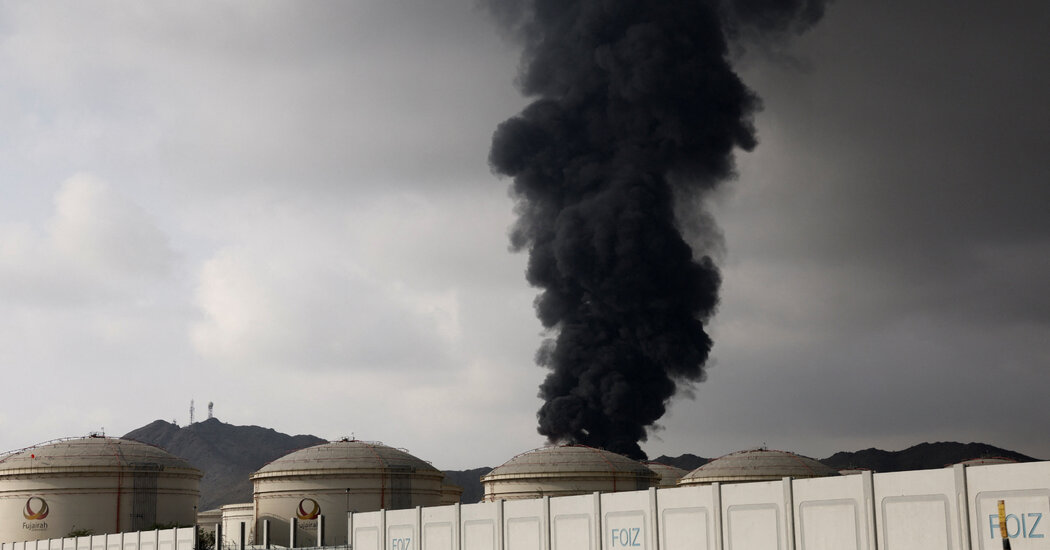
<p>U.S. and Israeli attacks on Iran have been followed by disruptions to energy and trade flows in the Middle East. In the days after the war began, tankers stopped entering the Strait of Hormuz, a chokepoint Iran controls through which about 20 percent of the world’s oil is channeled; about 200 ships were reported stranded in the Persian Gulf region, and oil shipping rates increased.</p><p>Strikes expanded beyond Iran, disrupting airports and damaging industrial facilities across the region. Drone attacks led to shutdowns at Saudi Arabia’s largest oil refinery and Qatar’s largest liquefied natural gas export facility.</p><p>Oil prices rose about 15% after the fighting began, reaching roughly $83 per barrel for the international crude benchmark. Retail fuel prices increased: diesel rose to well over $4 per gallon on average, and gasoline increased to about $3.25 per gallon from $2.99 the prior week. Goldman Sachs estimated oil prices would remain elevated through the rest of the year even if fighting stops, and could reach $100 per barrel if the strait remains closed for weeks.</p>