Hegseth’s fragile masculinity has doomed the US
A U.S. stance on Iran framed as shifting justifications and machismo signals a foreign-policy posture untethered from stable institutional strategy.
Mar 11, 2026
Sources
Summary
Donald Trump and his officials have offered shifting explanations for the U.S. position on Iran, including regime change, nuclear weapons, ballistic missiles, and an upcoming attack on Israel. The administration is described as operating through a machismo-driven worldview that elevates executive authority and enforces traditional gender roles while eroding LGBTQ rights. The practical consequence is a U.S. posture on Iran presented as unmoored from stable strategic calculation and governed instead by internal ideological signaling.
Reality Check
When major national-security postures are normalized as impulse and identity performance, our democratic guardrails weaken because accountability depends on coherent, testable reasons for state action. A government that conditions the public to accept constantly shifting rationales trains institutions to operate without durable explanation or measurable objectives. Over time, that tolerance erodes the expectation that executive power must be exercised through stable strategy rather than personalized signaling.
Detail
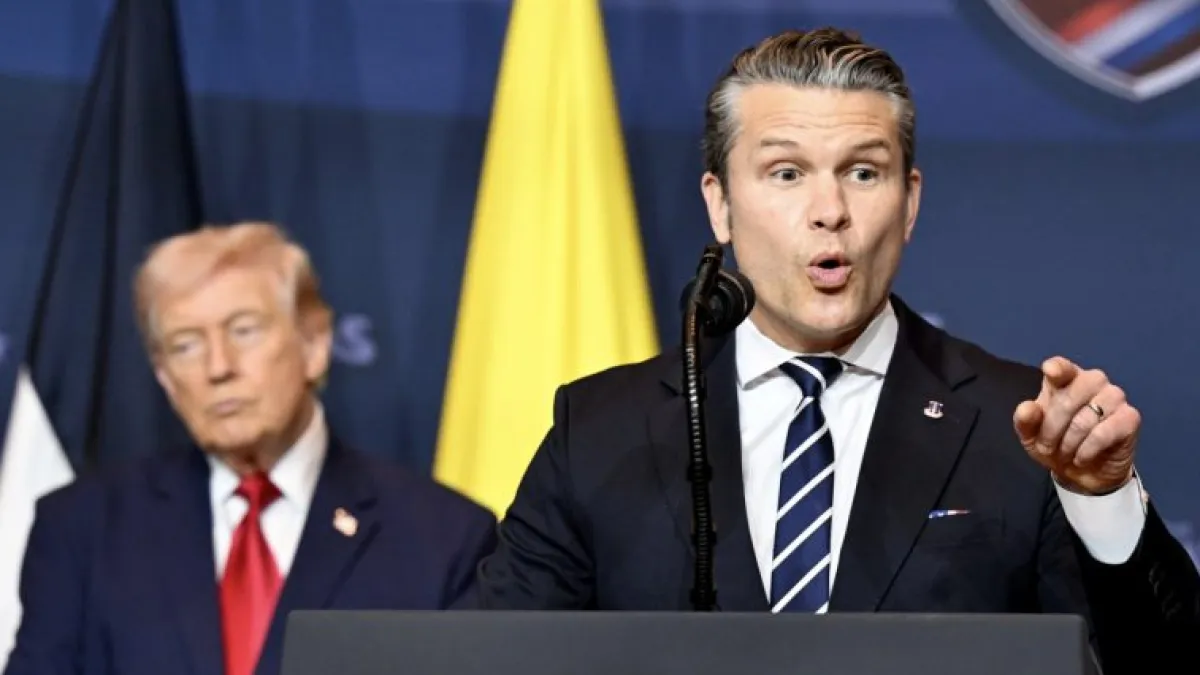
<p>The context describes the U.S. position on Iran as lacking a consistent strategic rationale, stating that explanations offered by Donald Trump and his officials have changed repeatedly over short periods. The stated explanations include regime change, nuclear weapons, ballistic missiles, and an upcoming attack on Israel, with the claim that none persists for more than a couple of days.</p><p>The context attributes the administration’s posture to “machismo,” describing it as an organizing principle that treats masculinity as power, favors executive authority and fossil fuels, and presses traditional gender roles for men and women. It also states the administration has eroded the rights of transgender people, gay men, and lesbians.</p><p>Pete Hegseth is referenced as being placed in charge of the armed forces and portrayed as emblematic of this approach.</p>