Norms Impact
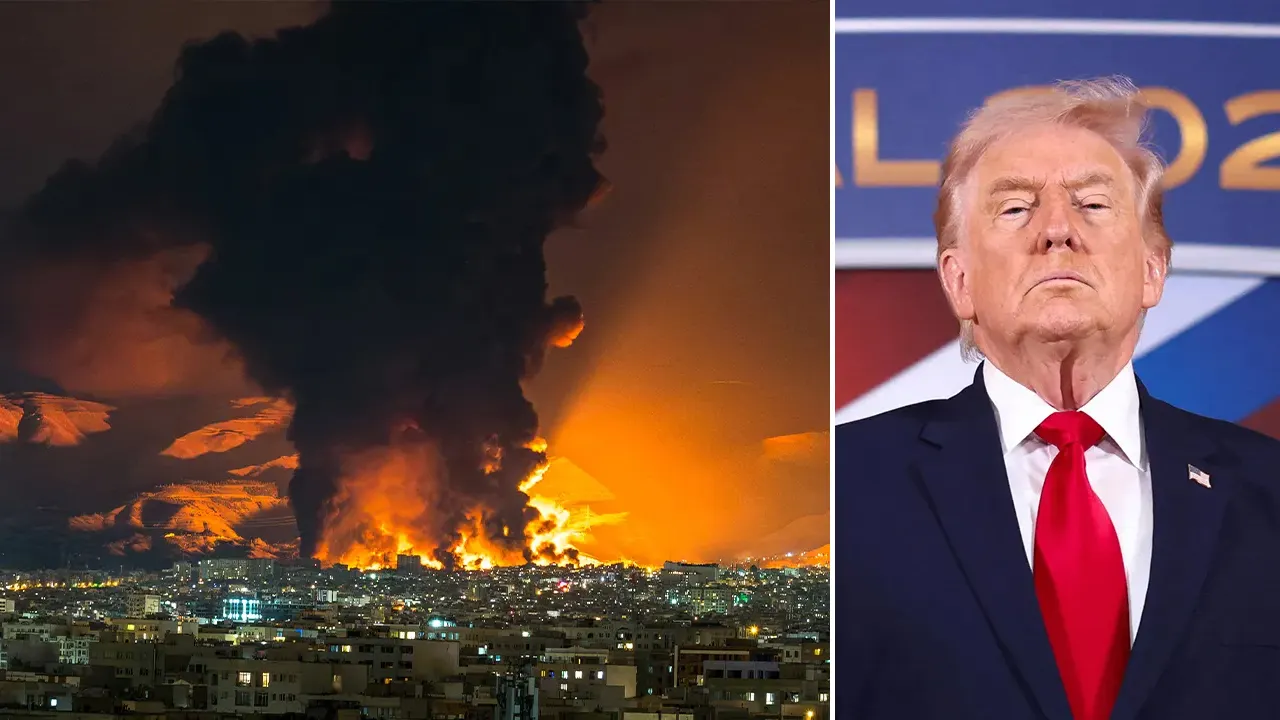
Trump suddenly seems anxious to end the war as American casualties mount and Iran finds ways to hit back
A president’s claim that he alone can start and stop a war “any time I want” collapses democratic war-accountability into personal discretion while casualties and objectives drift.
Mar 11, 2026
Sources
Summary
The Trump administration disclosed that 140 U.S. service members were wounded in the initial strike that killed Iran’s supreme leader and other top officials as the U.S.–Israeli campaign continues. The president publicly shifted from projecting a multi-week operation and demanding regime change to asserting he can end the war “soon” and “any time I want it to end.” The combination of mounting casualties, shifting goals, and unilateral end-state claims leaves war aims and civilian oversight unclear while economic and security repercussions deepen at home and abroad.
Reality Check
Concentrating war termination and war aims into a single leader’s personal timetable weakens the separation-of-powers expectation that military force is bounded by defined objectives and sustained public accountability. When stated goals swing from regime change to abrupt “soon” conclusions, we normalize a model where major conflict becomes an executive preference rather than a governed national decision. That precedent erodes the guardrails that force transparency about costs, strategy, and limits—especially as casualties rise and retaliation spreads beyond the battlefield.
Detail
<p>The Trump administration disclosed that 140 U.S. service members were wounded in the initial attack that killed Iran’s supreme leader and other top leaders. President Donald Trump told Axios the war will end “soon,” saying there is “practically nothing left to target” and that “Any time I want it to end, it will end,” after previously saying the campaign would take four to six weeks.</p><p>The text describes Trump having insisted Iran must undergo regime change and that he had to approve the country’s next leader, while Iran elevated the ayatollah’s son despite Trump deeming him unacceptable. It also reports Trump posting that if Iran disrupts oil flow through the Strait of Hormuz, the U.S. would hit Iran “TWENTY TIMES HARDER,” alongside reports that Iran is booby-trapping the strait with land mines. Officials and experts cited by The New York Times are described as saying Iran-backed militias attacked hotels used by U.S. troops, including drones launched at a hotel in Erbil, and that U.S. defenses have gaps against drones. The text also reports rising gas prices, market volatility, and job losses amid broader economic uncertainty.</p>