Norms Impact
‘This Should Be Illegal’: Senate GOP Uses AI Deepfake to Attack Talarico | Common Dreams
A national party committee used a near-undetectably labeled deepfake to fabricate a candidate’s words, normalizing electioneering that evades basic truth-in-political-speech guardrails.
Mar 12, 2026
⚖ Legal Exposure
Sources
Summary
The National Republican Senatorial Committee’s official X account posted an attack video using an AI-generated deepfake of Texas Democrat James Talarico, simulating his face and voice. A national party campaign apparatus is adopting synthetic media as a routine instrument of persuasion while relying on near-invisible disclosure. The practical consequence is a degraded information environment where voters can be pushed toward decisions based on manufactured conduct rather than verifiable reality.
Reality Check
When official political institutions normalize synthetic video as a campaign tool, we teach the public that seeing and hearing a candidate is no longer reliable evidence of what happened. That precedent weakens democratic accountability by rewarding actors who can manufacture “proof” faster than citizens can verify it, collapsing the shared factual baseline elections require.
This conduct concentrates power in the hands of those with the resources to generate convincing fictions while disclosure becomes a technicality rather than meaningful notice. Over time, our electoral system shifts from persuasion through argument to domination through engineered perception, and the guardrail of informed consent by voters quietly breaks.
Legal Summary
The NRSC’s use of an AI deepfake depicting a candidate saying and emoting things he “never actually did,” with only a barely visible “AI Generated” watermark, creates substantial deceptive-election-communication exposure. While the facts presented do not show a transactional corruption scheme, they support an investigative/administrative enforcement risk (and plausible civil false-portrayal claims) based on materially misleading campaign content pending further investigation.
Legal Analysis
<h3>52 U.S.C. § 30124 (Fraudulent misrepresentation in campaign communications)</h3><ul><li>The NRSC used a “frighteningly realistic” synthetic depiction of a named candidate (appearance and voice) to convey words, tone, and reactions he “never actually did,” creating a deception risk about the candidate’s purported statements/endorsement of the message.</li><li>Although some underlying quoted posts were “real,” the fabricated delivery (smiling, reminiscing, affirming lines like “So true,” “I love this one too”) can be construed as materially altering meaning and presenting a false representation of the candidate’s views/attitude, a core misrepresentation concern in election communications.</li><li>Gap: the article does not specify whether the communication explicitly purported to be authorized by the candidate or to speak on his behalf; exposure nonetheless exists because the format plausibly misleads voters as to what the candidate actually said in video form.</li></ul><h3>Federal Election Commission (regulatory/administrative exposure) — deceptive AI in political messaging (policy theory urged by Public Citizen)</h3><ul><li>Public Citizen is urging the FEC to treat “use of AI for deceptive political messaging as fraudulent misrepresentation,” signaling plausible administrative enforcement risk even absent new federal statute.</li><li>The watermark is described as “small” and “all but invisible,” supporting an inference that labeling was not designed to meaningfully inform viewers, increasing deception and compliance scrutiny.</li></ul><h3>Defamation / False light (civil tort exposure; state-law dependent)</h3><ul><li>Depicting the candidate as affirmatively endorsing or fondly reminiscing about controversial statements he previously made years ago (when he did not) could be alleged as a materially false portrayal harming reputation.</li><li>Gap: the article does not describe quantified damages or the jurisdictional elements; however, the synthetic “voice” and fabricated reactions are clear falsifications that can support a civil claim theory.</li></ul><b>Conclusion:</b> The conduct reflects a serious investigative red flag involving deceptive election messaging with potential FEC and civil exposure; the article does not establish a money-for-official-act structure or other classic public-corruption quid pro quo.</p>
Media
Detail
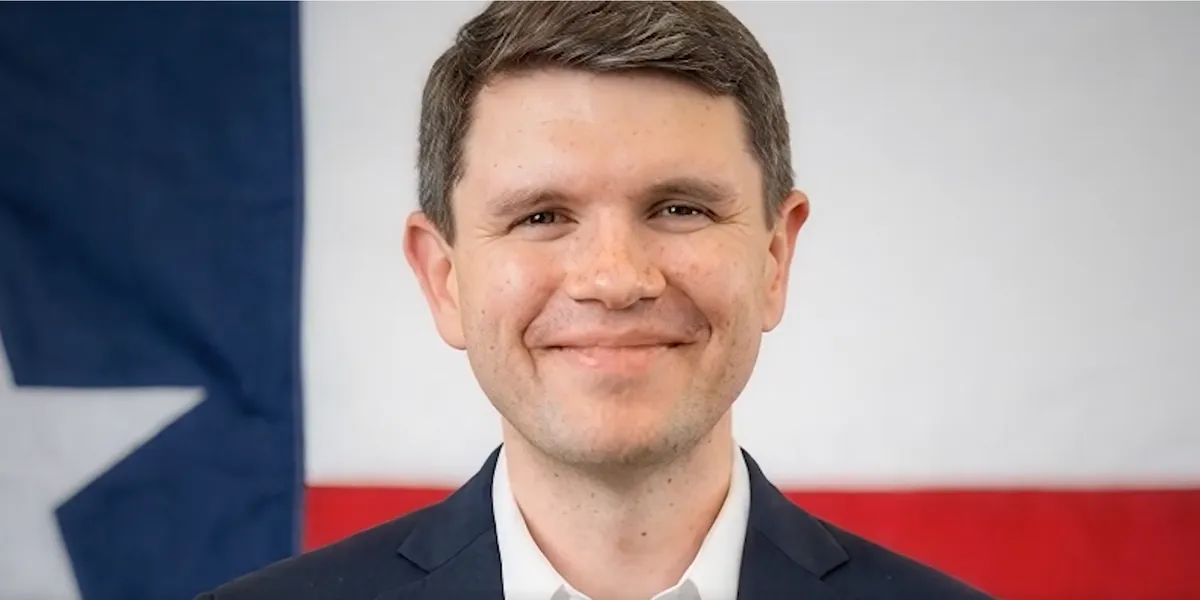
<p>On Wednesday, the National Republican Senatorial Committee (NRSC) posted a video on its official X account depicting a synthetic version of Texas Democratic state Rep. James Talarico, a U.S. Senate candidate who won the Democratic nomination earlier this month. The video uses an AI-generated likeness of Talarico’s appearance and voice to present him reading real, older social media posts that the NRSC characterized as “extreme statements praising transgenderism, twisting Christian beliefs, and advocating for open borders.”</p><p>The posts cited include Talarico’s 2021 statement that “radicalized white men are the greatest domestic terrorist threat in our country,” his decision to add pronouns to business cards, his statement that God was “nonbinary,” and his reference to attending a Planned Parenthood march in 2004. The video depicts the AI simulacrum smiling and voicing approving reactions to the posts that Talarico did not make, such as “So true” and “I love this one too.” The only disclosure is a small, translucent “AI Generated” watermark in the bottom-right corner.</p><p>Public Citizen urged federal action, calling on the FEC to treat deceptive AI political messaging as fraudulent misrepresentation and on Congress to require prominent labeling and ban the practice.</p>