Conservative Spin
Federal judge temporarily changes grand jury rules after Trump effort to charge members of Congress
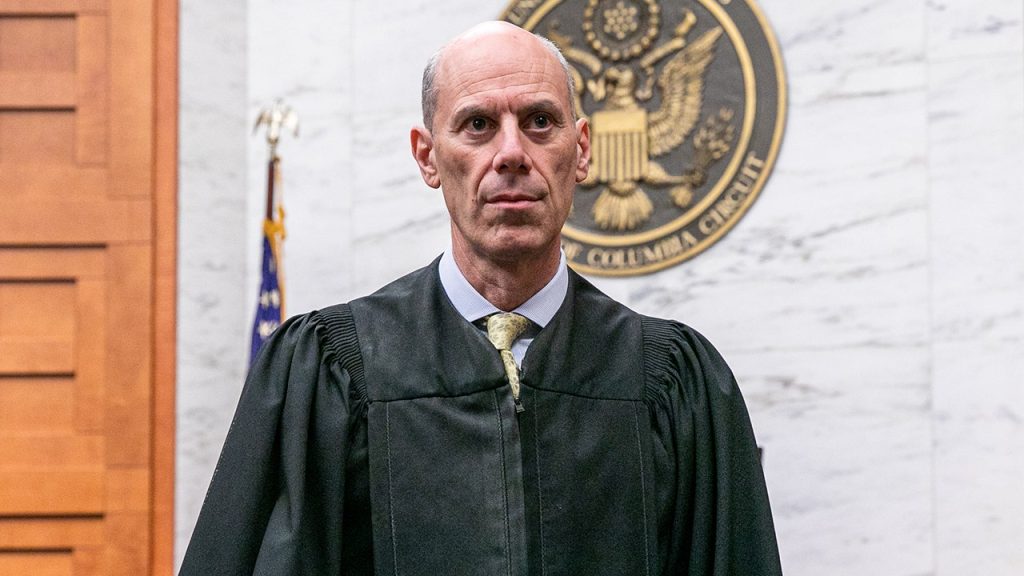
Source
Fox News
Federal judge temporarily changes grand jury rules after Trump effort to charge members of Congress
Claim
Boasberg changed grand jury procedures to shield Democrats after Trump’s DOJ tried—and failed—to indict them, showing a partisan judge obstructing accountability.
Facts
On March 4, 2026, Chief U.S. District Judge James Boasberg issued an order requiring notice to the duty magistrate judge when a grand jury fails to concur in an indictment in a Grand Jury Original investigation.
The order directs that the grand-jury foreperson report the lack of concurrence in writing under seal; the notifications are kept confidential unless a court orders otherwise.
The order is temporary for 120 days while the court considers adopting a local rule on the notification practice.
The article reports the Trump administration previously sought grand-jury indictments involving six Democratic members of Congress connected to public statements urging service members not to obey unlawful orders.
The article says the effort to secure charges against those lawmakers did not succeed.
Spin
The piece sells a bureaucratic court order as a political counterpunch by labeling Boasberg a recurring enemy of Trump and tying the timing to a failed bid to indict Democratic lawmakers.
Instead of explaining why a court might want consistent internal notice when a grand jury returns a “no true bill,” it spotlights loaded labels (“seditious six”), cherry-picked antagonistic quotes, and partisan character judgments (“left-leaning district”) to imply the system is rigged.
By stacking unrelated fights (Powell subpoena, impeachment talk, past disputes) into the same storyline, it nudges readers to conclude the judge is corruptly protecting Democrats—without showing that the order changes grand-jury outcomes or public transparency in any meaningful way.
Active Tactic Breakdowns
Misleading Framing
7/10
It treats a temporary internal-notification procedure as if it were a substantive rule change designed to help specific political figures. The headline and lede steer readers toward “judge intervenes after Trump loss” rather than “court standardizes how declines-to-indict are logged under seal.”
Omitted Context
8/10
There’s little practical explanation of what a “no true bill” is, why courts may want consistent notice to a duty magistrate, or how confidentiality already surrounds grand-jury matters. Without that, readers can’t gauge whether the order is novel, narrow, or routine court housekeeping.
The story inflates the importance of the order by anchoring it to culture-war language (“seditious six”) and broad insinuations about D.C. politics, making a procedural memo feel like a major partisan confrontation.
Causal Leap
6/10
It implies the order is a response meant to frustrate the Trump administration because it follows a failed effort to indict Democrats, but doesn’t show evidence the judge acted to change outcomes or to protect any named person.
Emotional Loading
7/10
Phrases like “thorn in Trump’s side,” “sordid history,” “left-leaning district,” and the repeated “seditious” framing load the reader with anger and suspicion before they can evaluate what the order actually does.
Narrative Stacking
8/10
It chains multiple separate disputes—indictment effort, Powell subpoena rhetoric, impeachment articles, prior controversies—into one continuous “activist judge vs. Trump” arc. That accumulation creates an impression of systemic sabotage even when each item has its own legal posture and facts.
What's Missing
What the pre-existing local practice was in D.C. federal court when a grand jury declines to indict, and whether Boasberg’s order changes anything beyond ensuring the duty magistrate is notified.
Any concrete explanation of how the order would “help” or “hurt” prosecutors, defendants, or Congress members—especially since the notices are sealed and not public absent a court order.
Reality Check
A judge requiring sealed notice when a grand jury declines to indict is an internal process tweak, not a mechanism that blocks charges or rewrites the legal standard for indictment.
The article’s political through-line relies on timing, labels, and a pile-up of grievances to suggest partisan intent. Strip that away and what remains is a time-limited administrative order about documenting grand-jury non-concurrences and considering whether to formalize it as a local rule.