DOGE cancelled a $349,000 grant to replace a museum’s HVAC after ChatGPT flagged it as DEI, court documents show | Fortune
Court filings suggest Trump’s DOGE relied on quick ChatGPT “DEI” labels to terminate NEH grants—including an HVAC preservation project—raising questions about viewpoint-based government funding decisions and sloppy process.
Sources
Summary
Court documents in a lawsuit say DOGE staff used ChatGPT prompts to screen NEH grants for “DEI” and then helped terminate many of them, including a roughly $349,000 museum HVAC replacement award in North Carolina. The story is framed around the absurdity of an HVAC project being tagged “#DEI,” but the bigger missing piece is the underlying legal and procedural question of who had authority to make the cuts and what standards were actually applied. This matters because it points to a model of federal grantmaking where cultural and research funding can be withdrawn via opaque, automated triage rather than clear rules and due process.
Reality Check
The most solid, checkable claim here is not that “ChatGPT canceled grants,” but that court filings describe a process where DOGE staff used ChatGPT outputs as a screening tool and then grants were terminated based on that workflow.
Even if the HVAC example is the most attention-grabbing, the central issue is administrative: whether grant termination decisions were made by properly authorized officials using clear criteria, or effectively outsourced to a fast, low-context AI triage plus political directives. (insidehighered.com)
Media
Detail
Fortune reports that court filings in a federal lawsuit describe DOGE staffers Justin Fox and Nate Cavanaugh using ChatGPT to classify NEH grant proposals as DEI-related, based on a standardized prompt and short responses.
The plaintiffs include the Modern Language Association (MLA), American Council of Learned Societies (ACLS), and American Historical Association (AHA), arguing the grant terminations violated constitutional protections (including First Amendment and equal protection theories). (mla.org)
The filings described by Fortune include a spreadsheet of ChatGPT prompts and responses used to flag grants for cancellation, with many proposals screened and a large share flagged as DEI-related.
One canceled award described in the spreadsheet was for the High Point Museum (North Carolina) to replace an aging HVAC system to improve preservation conditions and access; ChatGPT’s response reportedly labeled it “#DEI” because better preservation could increase access for “diverse audiences.”
High Point Museum director Edith Brady told Fortune the museum started the project but it was later terminated, and the museum recovered about 70% of the original award under a termination clause.
Fortune reports an NEH acting chair email in the court record suggesting DOGE’s rationale went beyond DEI to deficit reduction, and that DOGE staff indicated it was their decision whether to discontinue projects.
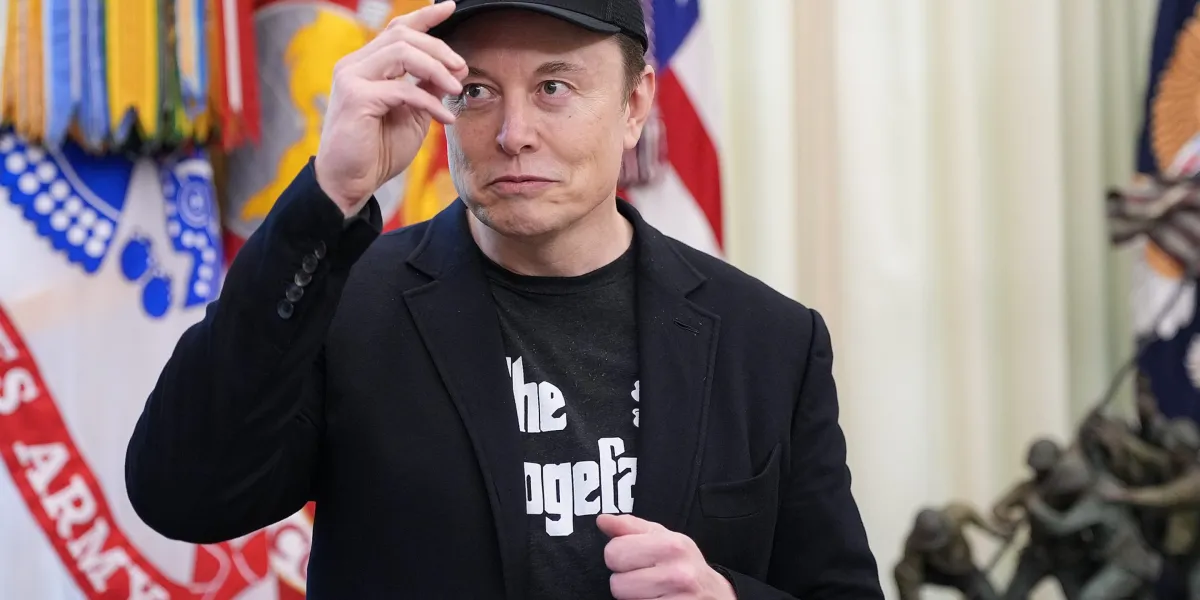
Fortune reports that DOGE was created as a special advisory effort, that Elon Musk served as its de-facto leader for a limited stint, and that OPM director Scott Kupor later said DOGE ceased to exist as a centralized entity. (defenseone.com)
The White House did not respond to Fortune’s request for comment, per the article text provided by the user.