Elon Musk to Owe Billions After Jury Finds He Misled Twitter Investors Before Takeover | KQED
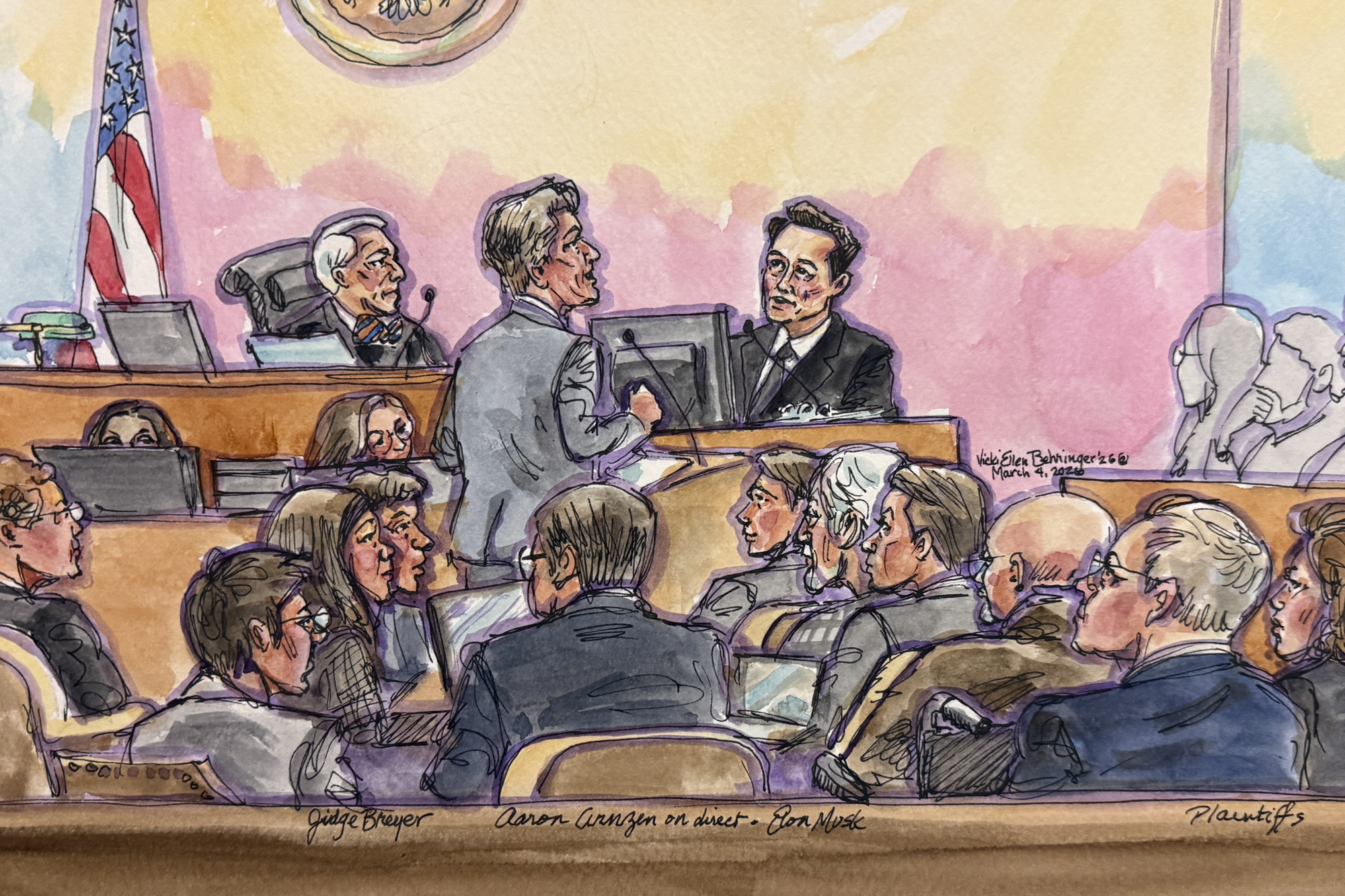
A San Francisco federal jury found Elon Musk liable for misleading tweets that allegedly pushed Twitter’s stock down during his 2022 buyout saga, teeing up multi‑billion‑dollar damages and a warning shot about market-moving “negotiation-by-tweet.”
Mar 20, 2026
Sources
Summary
A federal jury in San Francisco found Elon Musk liable for misleading Twitter investors with public statements that plaintiffs say drove down the stock price during the 2022 acquisition period. The coverage centers on Musk’s bot-related tweets and the claimed stock drop, but can blur the line between “misleading” statements and the narrower fraud findings the jury did and did not make. The story matters because it tests how securities law treats high-profile executives whose public posts can move markets while also serving business strategy.
Reality Check
The stabilizing takeaway is that the jury verdict (as widely reported) was not a blank-check finding that “everything Musk said about bots was fraudulent” or that he ran a sweeping, proven con; it was a more specific liability finding tied to particular public statements and investor harm, with at least some fraud allegations not accepted by jurors. (pbs.org)
Also, the bot number was never a simple, uncontested fact: Twitter’s filings repeatedly said “fewer than 5%” based on internal sampling, while regulators asked Twitter to explain how it calculated and disclosed that estimate. That context matters because the legal issue here is not “are there bots,” but whether Musk’s public messaging during a live deal process crossed the line into misleading market-moving statements. (sec.gov)
Detail
A federal civil jury in San Francisco found Elon Musk liable for misleading statements that plaintiffs said were meant to depress Twitter’s stock price ahead of his $44 billion acquisition. (kqed.org)
Plaintiffs’ lawyers estimated damages around $2.1 billion, with a potential maximum closer to $2.6 billion depending on how shares and options are counted. (kqed.org)
The case focused on Musk’s May 2022 public statements about Twitter’s bot/spam levels and his post that the deal was “temporarily on hold,” followed by additional posts expressing continued commitment while alleging higher bot prevalence. (kqed.org)
Twitter’s public filings at the time said its internal sampling estimated false/spam accounts were fewer than 5% of mDAU in the relevant quarters (with caveats about estimation). (sec.gov)
In 2022, the SEC separately questioned Twitter about its spam/fake-account methodology disclosures, underscoring that the bot metric was contested and scrutinized even before any jury verdict here. (kioncentralcoast.com)
Other reporting on the verdict indicates jurors found Musk liable for misleading investors on some statements while rejecting at least part of the plaintiffs’ broader fraud theory (e.g., not finding a “scheme” and/or not holding all challenged statements actionable). (pbs.org)
The lawsuit was brought as a shareholder class action alleging investors sold at deflated prices during the period of Musk’s public waffling as the deal progressed, even though the acquisition ultimately closed at the original price in October 2022. (kqed.org)