Norms Impact
Trump signs executive order to establish a White House Faith Office
A White House faith office is being wired into federal policy and grant access as the administration orders executive-wide investigations of alleged “anti-Christian bias,” tightening political control through religious signaling.
Feb 7, 2025
Sources
Summary
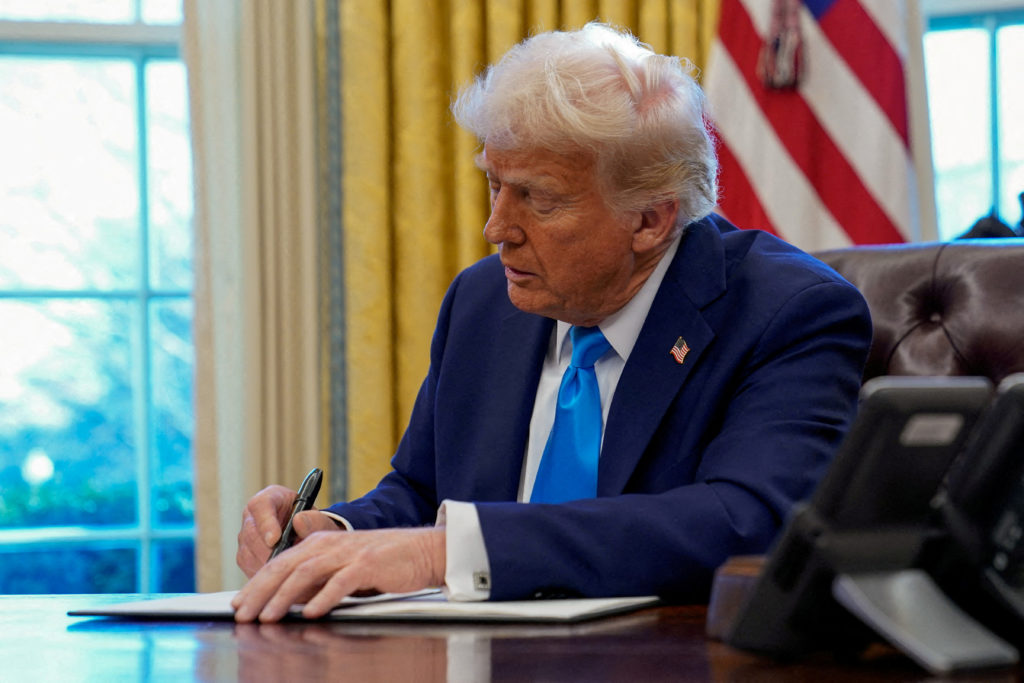
President Donald Trump signed an executive order establishing a White House Faith Office within the Domestic Policy Council and renaming the existing faith-based office.
The order expands a formal White House channel for consulting faith leaders, advising policy implementation across agencies, and helping faith-based organizations pursue federal grants.
The move embeds religious engagement more directly into domestic policymaking while the administration simultaneously launches an executive-branch task force to investigate alleged “anti-Christian bias” across federal agencies.
Reality Check
This kind of executive-branch machinery risks turning constitutional religious liberty into an instrument of state favoritism and selective enforcement, weakening our equal rights and the neutrality we rely on from our government. Creating an office to help faith-based groups procure federal grants while simultaneously directing agencies to hunt for “anti-Christian” conduct invites viewpoint-based government action that can chill dissenting speech and minority religious practice. On the facts provided, the conduct is not clearly criminal, but it squarely raises governance red flags around abuse of office and weaponized investigations; any grant-making influenced by religious preference would collide with core Establishment Clause constraints and anti–quid-pro-quo norms. When the White House couples grant facilitation with an enforcement task force aimed at a favored constituency, our civil rights protections become conditional on political and religious alignment.
Detail
<p>President Donald Trump signed an executive order in Washington establishing the White House Faith Office as part of the Domestic Policy Council. The order renames the existing White House Office of Faith-Based and Community Initiatives and directs the new office to consult with faith leaders on issues including “defending religious liberty” and promoting adoption and foster care programs.</p><p>The order assigns the office responsibilities that include advising on policy implementation throughout the federal government and assisting faith-based organizations in procuring government grants. Trump also announced the faith office would be led by Paula White-Cain, who previously led Trump’s Faith and Opportunity Initiative in 2019.</p><p>Separately, Trump announced and then signed an executive order creating a task force led by Attorney General Pam Bondi to identify unlawful policies, practices, or conduct across executive departments and agencies related to alleged “anti-Christian targeting and discrimination,” and to recommend additional presidential or legislative action.</p>