Norms Impact
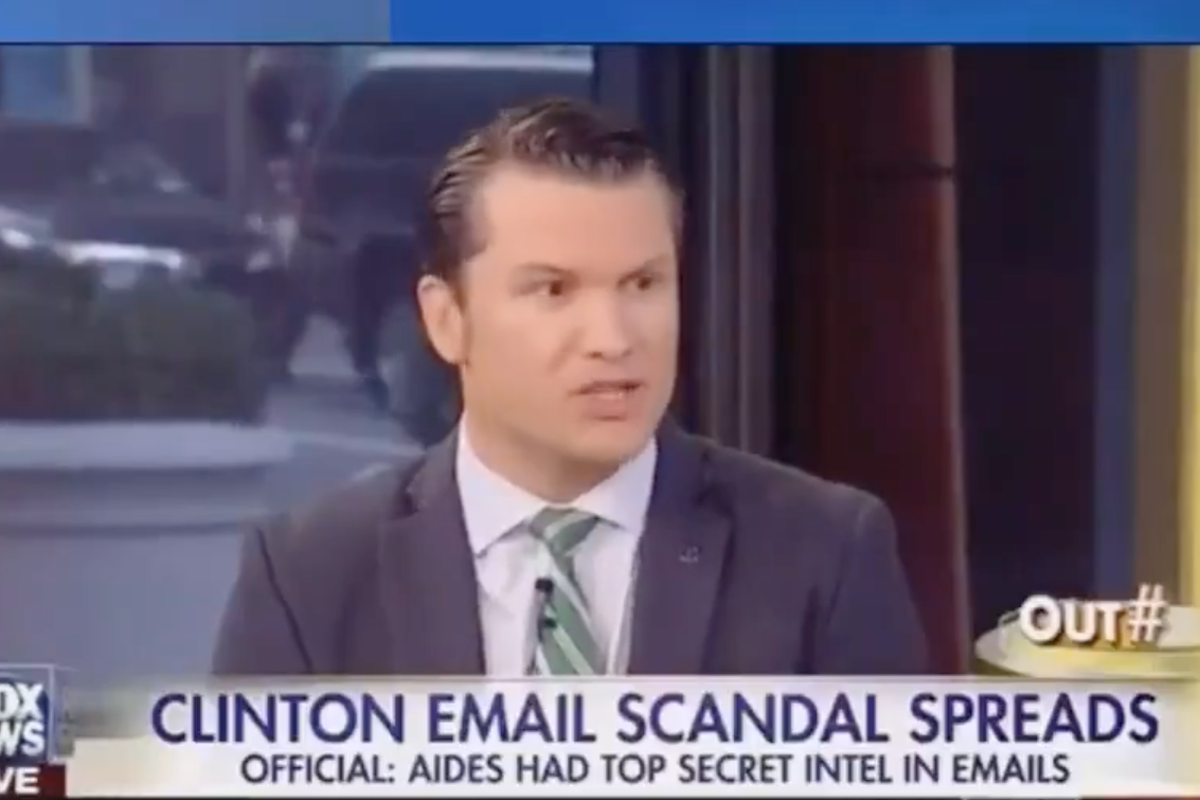
CNN montage shows Trump officials in Signal chat condemning Hillary Clinton
Senior national-security officials used an unofficial encrypted chat for strike discussions—and accidentally looped in a journalist—fracturing the norm that classified deliberations stay inside accountable government systems.
Mar 25, 2025
⚖ Legal Exposure
Sources
Summary
CNN aired a montage of current Trump administration officials condemning Hillary Clinton’s past handling of classified information as reports surfaced that senior officials discussed a planned Yemen strike in a Signal group chat that included a journalist. The event underscored a widening gap between public accountability rhetoric and internal operational discipline for national-security communications. The practical consequence is a normalized pathway for sensitive strike deliberations to move onto non-official platforms, increasing exposure risk and eroding enforceable oversight.
Reality Check
This conduct threatens to turn classified national-security decision-making into an off-books messaging habit that weakens oversight, compromises operational security, and ultimately endangers our rights by eroding enforceable rules. If “highly classified information” about an impending strike was shared on Signal and exposed to an unauthorized person, the most relevant federal exposure runs through the Espionage Act (18 U.S.C. § 793) and unlawful removal/retention of classified material (18 U.S.C. § 1924), with potential records-law problems if official business was conducted outside required channels. Even if prosecutors never charge a case, running Principals Committee communications through a non-official app while failing to detect an interloper is a governance failure that normalizes impunity at the highest levels.
Legal Summary
Senior national security officials allegedly used Signal—an unofficial channel—to discuss highly classified strike information and mistakenly included a journalist, creating significant exposure for unlawful mishandling and potential unauthorized disclosure pending verification of content and intent. This is not a money-for-action scheme; it is a procedural/operational security failure with serious investigative implications. Criminal liability would turn on what was actually shared, classification status, and whether any conduct was willful or later covered up.
Legal Analysis
<h3>18 U.S.C. § 793 (Espionage Act) — Willful retention/transmission of national defense information</h3><ul><li>Alleged facts indicate top officials used Signal ("not an official communications channel") to discuss "highly classified information" about an impending U.S. strike, and an unauthorized person (a journalist) was mistakenly added and remained present.</li><li>Structural risk: inclusion of a non-cleared outsider in a live thread about a pending strike supports an inference of unauthorized "communication" of protected information, even if participants later deny "war plans" were texted.</li><li>Key gap: the article does not specify the precise content/classification markings, whether any participant acted willfully, or whether the information qualifies as NDI; exposure depends on what was actually shared and state of mind.</li></ul><h3>18 U.S.C. § 1924 — Unauthorized removal/retention of classified documents or material</h3><ul><li>Using a non-official encrypted messaging app for classified discussions can constitute mishandling/unauthorized handling of classified "material" depending on agency rules and whether the information was classified at the time of transmission.</li><li>Key gap: the record described is a chat; the statute often litigates around "documents"/"materials" and intent; further facts would be needed to assess fit.</li></ul><h3>18 U.S.C. § 641 — Conversion/theft of government records or things of value</h3><ul><li>If classified operational details were transmitted via non-official channels and exposed to an unauthorized recipient, the government could frame the information as a "thing of value" improperly conveyed.</li><li>Key gap: the article does not establish intent to convert or knowingly convey government property; the described addition appears mistaken.</li></ul><h3>18 U.S.C. § 1001 — False statements (investigative risk)</h3><ul><li>After the report, a senior official stated "nobody was texting war plans"; if investigators establish the chat contained operational planning details, this creates potential false-statement exposure.</li><li>Key gap: the article does not provide the underlying chat contents sufficient to assess falsity or materiality.</li></ul><h3>18 U.S.C. § 1519 — Destruction/alteration/concealment of records (contingent)</h3><ul><li>Because the communications occurred on a non-official platform, any later deletion or concealment of chat contents during an investigation could implicate obstruction/records-concealment theories.</li><li>Key gap: no facts in the article indicate deletion, concealment, or record-tampering—this is exposure only if such conduct occurred.</li></ul><b>Conclusion:</b> The described conduct reflects serious investigative red flags for classified-information mishandling and unauthorized disclosure due to the use of Signal for highly classified strike discussions and the presence of an unauthorized journalist, but the article’s facts do not yet establish the willfulness and content specificity typically needed for a confident criminal charging posture.</p>
Detail
<p>CNN’s <em>The Source</em> aired a montage of resurfaced clips showing current Trump administration officials criticizing Hillary Clinton’s use of a private email server for classified material. The montage aired after reports that White House National Security adviser Mike Waltz mistakenly invited The Atlantic editor-in-chief Jeff Goldberg to an encrypted Signal chat titled “Houthi PC small group,” where senior officials discussed highly classified information related to an impending U.S. strike in Yemen.</p><p>Participants described as included in the chat included Vice President JD Vance, National Intelligence Director Tulsi Gabbard, Treasury Secretary Scott Bessent, Steve Witkoff, Susie Wiles, and Stephen Miller. Waltz formed the chat with colleagues on the National Security Council’s “Principals Committee,” using Signal, which is not an official communications channel for top government officials. Goldberg reported that no one identified him in the chat, including when he left the thread, which would have generated notifications.</p><p>After the reports, Clinton posted on X: “You have got to be kidding me,” with a screenshot of the report. Trump said in the Oval Office he did not know about the story, and Defense Secretary Pete Hegseth told reporters that “nobody was texting war plans.”</p>