Norms Impact
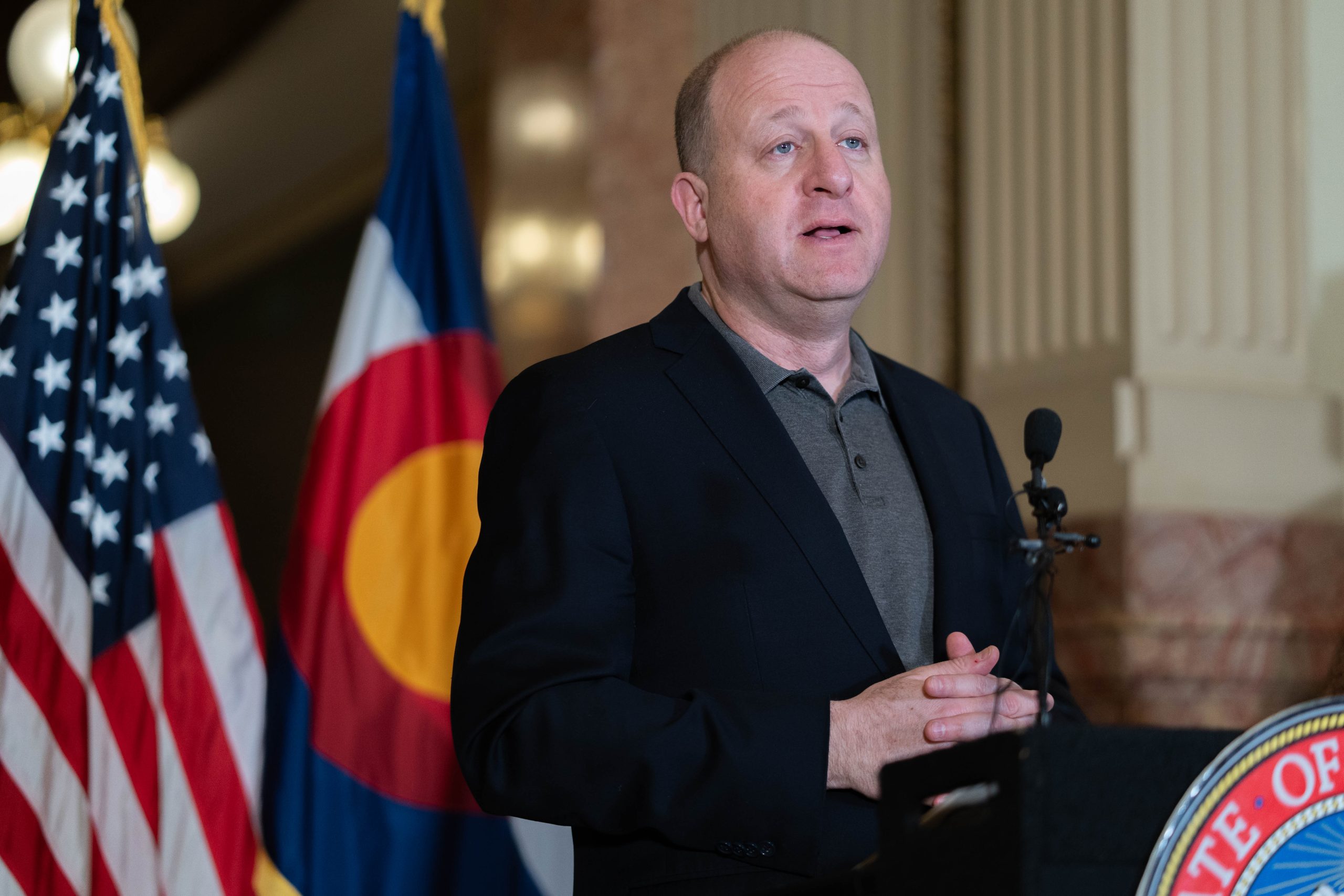
All 66 Democrats in Colorado’s legislature sign letter urging Jared Polis not to shorten Tina Peters’ prison sentence
When an executive weighs clemency in an election-system breach while an appeal is pending, we risk normalizing political intervention where deterrence and rule-of-law consistency must hold.
Mar 11, 2026
⚖ Legal Exposure
Sources
Summary
All 66 Democrats in Colorado’s legislature signed a letter urging Gov. Jared Polis not to reduce former Mesa County Clerk Tina Peters’ nine-year prison sentence. The letter escalates intraparty pressure as Polis publicly weighs clemency while the Colorado Court of Appeals reviews the sentence. The immediate consequence is a direct clash over whether executive mercy will intervene in a high-profile election-system breach case tied to 2020-election conspiracy politics.
Reality Check
Executive clemency used in a case involving an election-system security breach risks teaching future officials that attacks on election infrastructure can be bargained down through political pressure.
When mercy becomes entangled with public comparisons, partisan demands, and timing alongside an active appellate review, the boundary between independent adjudication and executive politics weakens in practice.
Our democracy depends on credible deterrence for illegal conduct around elections; undermining that consequence structure invites escalation by those seeking a figurehead and a precedent.
Legal Summary
This is primarily a political/procedural irregularity and appearance-of-impropriety issue: intense partisan pressure and public positioning around potential clemency during ongoing appellate review. The article does not allege any quid-pro-quo exchange, personal enrichment, or thing-of-value transaction tied to official action, so prosecutable structural corruption is not supported on these facts, though the circumstances warrant scrutiny for improper influence.
Legal Analysis
<h3>18 U.S.C. § 201 (Federal bribery) / Hobbs Act, 18 U.S.C. § 1951 (Extortion under color of official right)</h3><ul><li>The article describes political pressure (including a threat by the President to cut federal funding) and the governor’s stated consideration of clemency based on perceived sentencing disparity, but it does not allege any thing of value offered/received by Gov. Polis in exchange for an official act.</li><li>Absent a payment/personal-benefit channel tied to clemency, the key quid-pro-quo elements supporting federal public-corruption bribery/extortion are not pled by the facts given.</li></ul><h3>18 U.S.C. § 666 (Federal-program bribery)</h3><ul><li>The article references threatened federal funding consequences if Peters is not released, but does not allege that state officials solicited or accepted anything of value corruptly in connection with state business.</li><li>As presented, this is leverage/pressure rather than a corrupt exchange involving state decisionmakers’ personal enrichment or a negotiated benefit.</li></ul><h3>18 U.S.C. § 1512 / § 1503 (Obstruction of justice)</h3><ul><li>Although the Colorado Court of Appeals is actively reviewing Peters’ sentence, the article does not allege that Polis (or others) is acting with corrupt intent to influence, impede, or obstruct the appellate process through threats, falsification, or witness tampering.</li><li>Clemency is a lawful executive function; without evidence of corrupt means or intent to interfere with adjudication, obstruction exposure is not established on these facts.</li></ul><h3>Ethics/abuse-of-power framework (non-criminal)</h3><ul><li>The described conduct centers on politicized decisionmaking risk: public justification for clemency and external political pressure, which can create an appearance-of-impropriety concern even if lawful.</li><li>The legislature’s letter frames clemency as inappropriate because Peters has not accepted responsibility; that is a policy/ethics dispute, not a transactional corruption allegation.</li></ul><b>Conclusion:</b> The article supports a serious investigative red flag of politicized clemency decisionmaking under high-profile external pressure, but it does not present money/access/personal-benefit alignment or other elements indicative of prosecutable structural corruption on the stated facts.
Media
Detail
<p>All 66 Democrats serving in the Colorado legislature signed a letter on Wednesday asking Gov. Jared Polis not to reduce the nine-year prison sentence of former Mesa County Clerk Tina Peters.</p><p>Peters, 70, was convicted in 2024 for orchestrating a 2021 security breach of Mesa County’s election system in an effort to find evidence of electronic vote manipulation. A Mesa County jury found her guilty of three counts of attempting to influence a public servant; conspiracy to commit criminal impersonation; official misconduct; violation of duty; and failure to comply with an order of the secretary of state, with some convictions classified as felonies.</p><p>The lawmakers’ letter argues clemency is for those who accept accountability and pursue restitution and rehabilitation, and states Peters has not done so. Polis has criticized the sentence as too harsh for a first-time, nonviolent offender and cited sentencing disparities in a social media post comparing Peters’ case to former state Sen. Sonya Jaquez Lewis, who received probation after felony convictions. The governor’s office did not respond to a request for comment. The Colorado Court of Appeals is reviewing Peters’ sentence and is expected to rule in coming weeks.</p>