Norms Impact
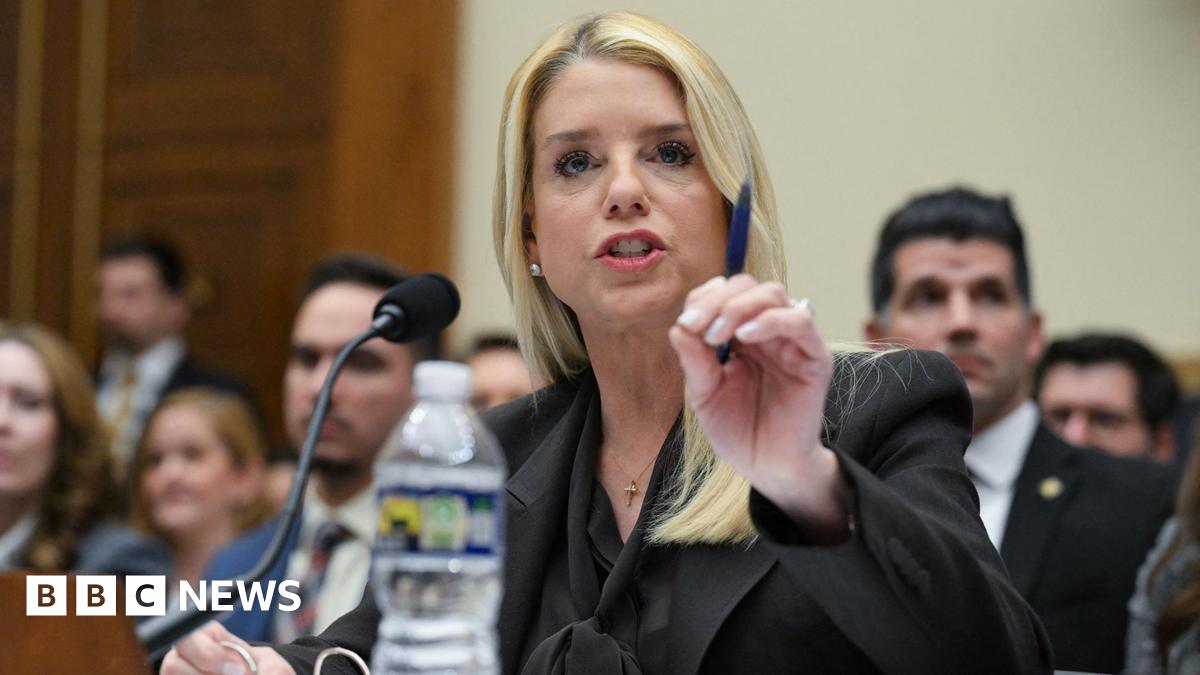
Bondi criticised after saying all Epstein files have been released
By claiming full compliance while invoking deliberative secrecy, the Justice Department risks turning a transparency law into a name-dump that shields prosecutorial decision-making from democratic oversight.
Feb 15, 2026
Sources
Summary
The Justice Department told Congress it has released all Epstein-related files required under the Epstein Files Transparency Act, but key lawmakers say the production is incomplete. The dispute now turns on whether the department is using deliberative-process privilege to withhold internal charging and investigation decision records that the law’s authors say must be disclosed. The practical consequence is a transparency regime that may publish names broadly while keeping the government’s most consequential decision-making documents out of public view.
Reality Check
A Justice Department that publicly declares “all files” are released while withholding internal prosecution and investigation decision records sets a precedent that erodes our right to know how federal power is exercised—and how it may have failed victims. On these facts, the sharper issue is not an obvious criminal violation but a governance breach: using deliberative-process privilege to defeat the core disclosure purpose of a congressionally mandated transparency regime. If the Act requires disclosure of internal memos and the department is blocking them, the remedy is oversight and litigation compelling production—not a PR list of names that can mislead the public while insulating officials from accountability.
Detail
<p>The Department of Justice sent a Saturday letter to congressional leaders stating that, under the Epstein Files Transparency Act, it had released all qualifying “records, documents, communications and investigative materials” in its possession relating to nine categories described in court submissions and orders in the Southern District of New York tied to the Epstein and Maxwell prosecutions.</p><p>Attorney General Pam Bondi and Deputy Attorney General Todd Blanche wrote that no records were withheld on grounds of embarrassment, reputational harm, or political sensitivity, and included a list of names appearing at least once in the materials, including government officials or politically exposed persons. The letter said names appear in varied contexts, from extensive email contact to mere references.</p><p>Rep. Thomas Massie, a co-author of the law, said the DOJ is asserting deliberative-process privilege to avoid releasing internal memos, notes, and emails about decisions to investigate or prosecute Epstein and associates. Rep. Ro Khanna, the other co-author, accused the department of muddying distinctions by listing unrelated names without clarifying context and urged release of full files with survivor names redacted.</p>