California woman says she was raped by Rep. Eric Swalwell in 2018
A new rape allegation against Rep. Eric Swalwell surfaced as he exits a California governor bid and says he will resign from Congress, but the public record so far is largely a press-conference claim pending any law-enforcement filing or corroboration.
Apr 14, 2026
Sources
Summary
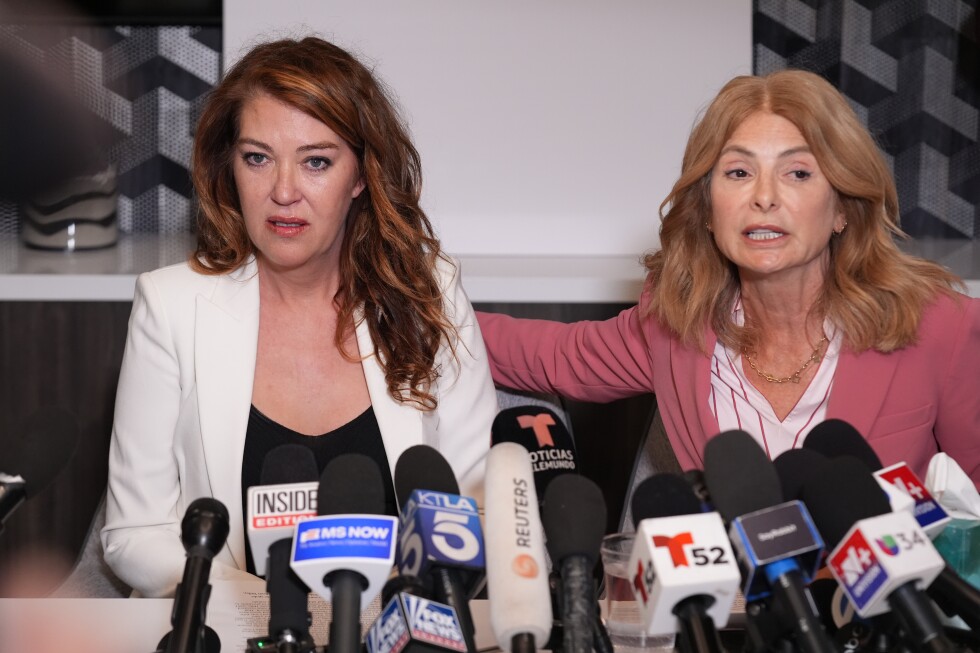
A California woman, Lonna Drewes, said at a Tuesday news conference that Rep. Eric Swalwell raped her in a Southern California hotel in 2018 and that she plans to report it to law enforcement. The story is framed around her account and timing—coming right after Swalwell suspended his governor campaign and said he would resign—while offering no independent corroboration or confirmation of a filed police report yet. It matters because resignation and electoral fallout can race ahead of verified facts, shaping public trust and institutional accountability.
Reality Check
This is a serious allegation, but the publicly available facts in the provided text are limited to a single person’s on-the-record claim at a press conference and her stated intent to file a police report.
Until there is confirmation of a law-enforcement report, documentation, or other corroboration, readers should treat the claim as unadjudicated and avoid treating resignation or campaign fallout as proof of guilt or innocence.
Detail
Lonna Drewes publicly alleged that Rep. Eric Swalwell raped her in 2018 at a hotel in Southern California and said she did not consent to sexual activity.
Drewes said she had one glass of wine and believes she was drugged before the alleged assault.
Drewes made the allegation at a news conference and said she plans to make a report to law enforcement.
The article ties the allegation to Swalwell’s recent political developments: he suspended his California governor campaign and said he would resign from Congress this week.
The report references earlier sexual assault allegations from a different woman but provides no detail on what those allegations are, whether they were reported, or their procedural status.
No law-enforcement agency, case number, filing date, medical record, or other corroborating evidence is included in the provided text.
The piece includes AP’s policy note that it generally does not identify sexual assault accusers unless they self-identify or consent, and Drewes is named because she identified herself publicly.