Norms Impact
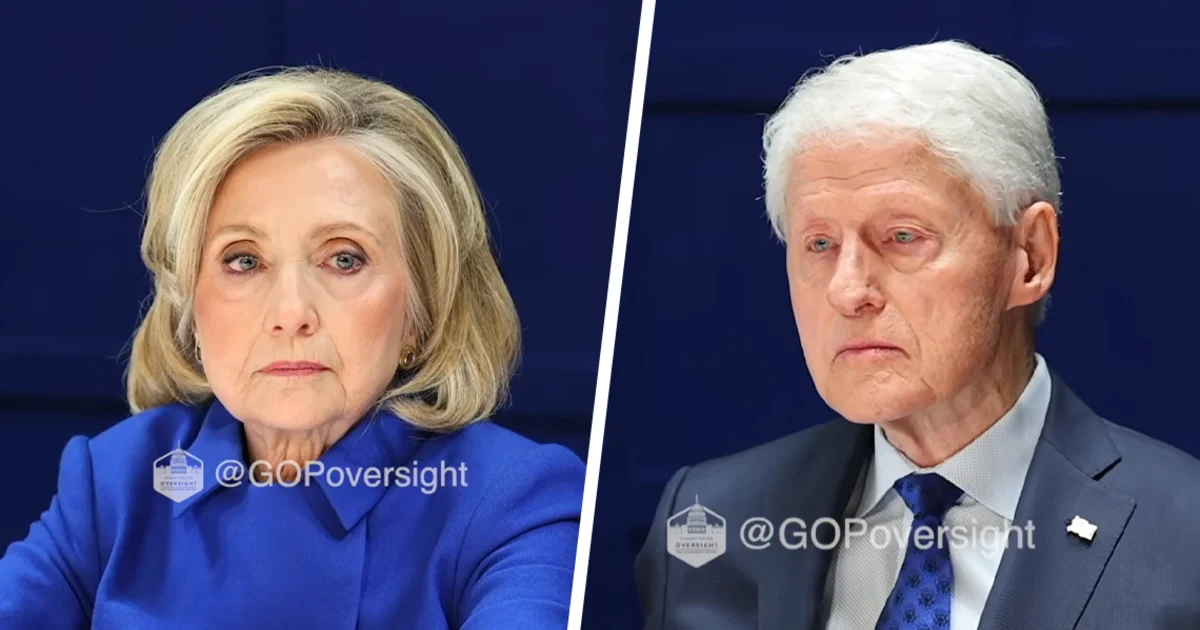
Clintons tangle with House Republicans in deposition videos from Epstein probe
When sworn oversight testimony becomes a redacted video rollout and rule-breaking social-media leakage, Congress trains the public to accept investigation as performance over due process.
Mar 3, 2026
Sources
Summary
The House Oversight Committee released redacted video recordings of sworn depositions with Hillary Clinton and Bill Clinton conducted last week as part of its Jeffrey Epstein probe. The committee’s investigative posture shifted from closed-door fact-finding toward public-facing confrontation through selective disclosure and dissemination controls. The practical consequence is a precedent where congressional oversight becomes a spectacle mechanism that can chill cooperation and blur agreed procedural rules.
Reality Check
Normalizing the use of sworn congressional depositions as public-content drops weakens oversight as a governance tool and turns it into a pressure instrument. When agreed-upon procedural rules can be treated as optional—such as the handling of deposition imagery—we erode the basic expectation that investigations follow predictable, enforceable constraints. Over time, that precedent chills truthful cooperation, rewards theatrical confrontation, and degrades Congress’s credibility as a fact-finding institution rather than a stage for partisan leverage.
Media
Detail
<p>The House Oversight Committee on Monday posted videos of sworn interviews conducted last week with Hillary Clinton and Bill Clinton in connection with the committee’s probe into Jeffrey Epstein and Ghislaine Maxwell. Hillary Clinton testified under oath on Thursday; Bill Clinton testified on Friday. The videos are about 4½ hours each and include numerous redactions.</p><p>In Bill Clinton’s interview, he described a conversation with Donald Trump about Epstein from roughly 20 years ago and said Trump did not say anything that suggested improper involvement regarding Epstein. Bill Clinton declined to comment on whether Maxwell should receive clemency, which she is seeking from Trump, and said she should be punished.</p><p>In Hillary Clinton’s deposition, she disputed questioning about photographs of Bill Clinton with other women, declined to speculate about what she felt, and objected to a photo from the deposition appearing on social media after Rep. Lauren Boebert shared it. Her attorney said sharing the image violated agreed-upon rules; the video shows a pause marked “off the record” before resuming. Transcripts will be released later after review by multiple parties, including the Clintons.</p>