Norms Impact
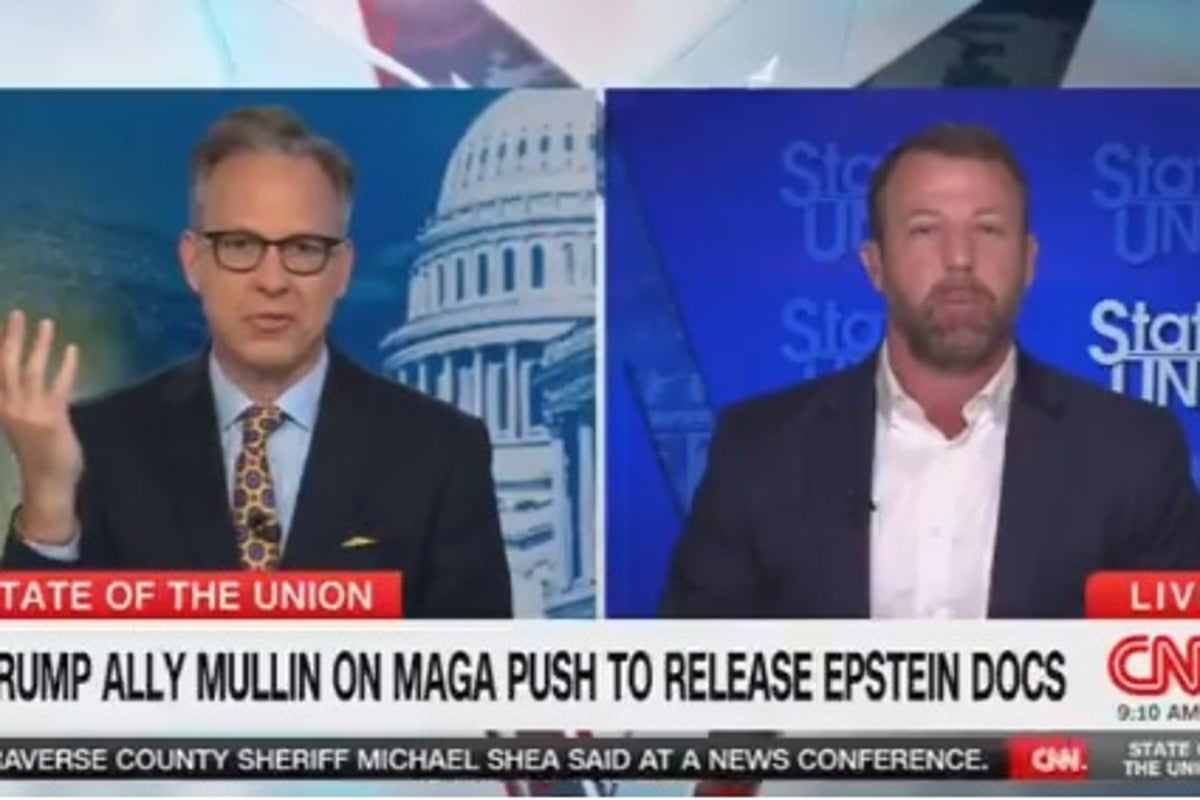
CNN host laughs at GOP senator as he fact-checks him on Epstein ‘sweetheart’ deal
When elected officials rewrite the Epstein timeline on national television while leadership blocks a transparency vote, our oversight norms are reduced to narrative management.
Jul 27, 2025
⚖ Legal Exposure
Sources
Summary
CNN’s Jake Tapper corrected Sen. Markwayne Mullin on air after Mullin repeatedly blamed Democrats and the Obama administration for Jeffrey Epstein’s 2008 “sweetheart” plea deal. The exchange unfolded as Republicans tied to the current White House navigate internal pressure over DOJ and FBI decisions to withhold further Epstein documents after earlier promises of disclosure. The practical consequence is a widening gap between documented timelines and political messaging, alongside stalled congressional leverage as leadership maneuvers to avoid a vote compelling release.
Reality Check
Normalizing public officials’ insistence on a false timeline while using procedural power to dodge disclosure votes teaches government that accountability can be outlasted, and it leaves our rights at the mercy of whoever controls the narrative. The on-air misstatements described here are not, by themselves, likely criminal; false statements statutes like 18 U.S.C. § 1001 generally require a materially false statement made in a matter within federal jurisdiction to the government, not a TV exchange. The more serious institutional breach is the deliberate avoidance of congressional scrutiny—paired with selective insinuations that “tampering” occurred—because it weaponizes oversight and corrodes the public’s ability to demand lawful, victim-protective transparency.
Legal Summary
The article presents a “sweetheart” Epstein plea/non-prosecution arrangement and unusual jail privileges, but does not allege any bribe, gratuity, or quid-pro-quo linking a transfer of value to an official act. As framed, it raises ethical/professional misconduct concerns and political/procedural controversy rather than chargeable public-corruption conduct.
Legal Analysis
<h3>18 U.S.C. § 201(b) — Bribery of public officials</h3><ul><li>The article describes a highly lenient non-prosecution/plea arrangement overseen by a U.S. Attorney (Alex Acosta), but provides no allegation of a payment, thing of value, or benefit flowing to the official in exchange for an “official act.”</li><li>Without any stated transfer of value or corrupt intent tied to Acosta’s decision-making, core quid-pro-quo elements are not supported on these facts.</li><li>The described perks (guards “partially on his payroll,” work release, office privileges) indicate irregular custody conditions but do not, as presented, link to bribery of a federal decisionmaker responsible for the deal.</li></ul><h3>18 U.S.C. § 201(c) — Illegal gratuity</h3><ul><li>No facts in the article identify a gratuity given “for or because of” Acosta’s prosecutorial actions or any other federal official act.</li><li>The narrative focuses on timing/administration blame and the leniency of the deal, not on a value transfer to an official.</li></ul><h3>18 U.S.C. § 371 — Conspiracy</h3><ul><li>While the agreement is characterized as “staggering” in leniency, the article does not allege an agreement between public officials and Epstein (or counsel) to commit a specific federal offense (e.g., bribery, fraud, obstruction).</li><li>The facts as stated do not establish concerted criminal objective beyond a controversial prosecutorial disposition.</li></ul><h3>18 U.S.C. §§ 1343, 1346 — Honest-services wire fraud</h3><ul><li>Honest-services exposure typically requires bribes or kickbacks; the article alleges no bribe/kickback to a public official connected to the plea/non-prosecution decision.</li><li>The conduct described is best framed (on these facts) as potential ethical/professional misconduct or abuse of discretion rather than a chargeable deprivation of honest services.</li></ul><b>Conclusion:</b> The article describes an unusually lenient prosecutorial deal and irregular confinement privileges, but it does not allege money-to-official-action alignment or any transactional exchange with a public official. On these facts, the primary exposure is reputational/ethical rather than prosecutable structural corruption.
Detail
<p>On Sunday, Sen. Markwayne Mullin appeared on CNN’s <em>State of the Union</em> and asserted that a plea agreement preventing federal charges against Jeffrey Epstein was signed in 2009 under the Obama administration. Host Jake Tapper repeatedly corrected him, stating the agreement was drafted in 2007 and signed in 2008, when Epstein pleaded guilty to soliciting a minor for sex and before Barack Obama took office; Tapper also stated George W. Bush was president in 2008.</p><p>Tapper noted the U.S. attorney overseeing the non-prosecution agreement was Alex Acosta, later Donald Trump’s secretary of labor. Mullin argued Democrats were involved because the case was “sealed in 2009.” The context includes a July announcement by the Department of Justice and FBI that no additional Epstein documents would be released, citing victim-identifying information and graphic imagery, and stating no “client list” had been found. In Congress, Rep. Thomas Massie and Rep. Ro Khanna pursued legislation to compel release with redactions, while Speaker Mike Johnson called the August recess early to avoid a vote.</p>