Norms Impact
Conditions at ICE Facility for Families Should Be National Scandal, Says Congressman
The federal government is expanding family detention while using routine ICE check-ins to take people into custody, normalizing mass confinement under conditions lawmakers say are unsafe and opaque.
Mar 2, 2026
⚖ Legal Exposure
Sources
Summary
ICE is detaining families and children at the South Texas Family Residential Center in Dilley, Texas, where Rep. Joaquin Castro reports a measles outbreak, inadequate food and water, delayed medical care, and an alleged sexual assault. The federal government has reopened and expanded large-scale family detention under President Donald Trump’s crackdown while using routine ICE check-ins and broader removals to increase custody. The practical consequence is a wider detention footprint that can rapidly sweep in people with no criminal record, including those who entered through prior lawful processes, while allegations of unsafe conditions and rights violations escalate.
Reality Check
Normalizing large-scale detention of families and children as a default enforcement tool weakens due-process guardrails by turning administrative immigration processing into coercive confinement. When routine compliance mechanisms—like mandatory check-ins—become detention funnels, the state gains a quiet, repeatable pathway to deprive liberty without the public friction that typically constrains power.
Allegations of inadequate medical care, disease outbreaks, and sexual assault inside a reopened family facility underscore how rapidly institutional abuse becomes “operational” when capacity expansion is prioritized over accountability. The precedent hardens: more cages, less transparency, and a system conditioned to treat confinement as the first answer rather than the last resort.
Legal Summary
The described conduct does not present a structural corruption pattern (no money, quid pro quo, or personal enrichment). Rep. Castro’s actions appear to be oversight and humanitarian assistance, with only a potential appearance/misuse-of-position ethics concern if official resources were involved (not specified). Separate allegations of abuse/unsafe conditions at the facility and a reported sexual assault support investigative scrutiny of detention operators/officials but are not charge-ready on the article’s facts.
Legal Analysis
<h3>5 C.F.R. Part 2635 — Standards of Ethical Conduct (misuse of position; appearances)</h3><ul><li>Rep. Castro used his time and personal involvement to assist a recently released detainee family (escort to airport/flight logistics), which could raise an <i>appearance</i> concern about using official stature/resources for private benefit if any congressional resources were used (article does not specify).</li><li>Facts presented reflect humanitarian assistance and oversight-related engagement with a detention facility; no allegation of personal financial gain, kickbacks, or preferential treatment sought for the Congressman.</li></ul><h3>18 U.S.C. § 201 — Bribery / Illegal Gratuities (public official)</h3><ul><li>No facts allege anything of value offered to or received by Rep. Castro in exchange for an “official act.”</li><li>No payer/benefit alignment or access-for-payment structure is described; conduct appears advocacy/constituent-style assistance and oversight.</li></ul><h3>18 U.S.C. § 1346 / § 1343 — Honest Services / Wire Fraud</h3><ul><li>Article alleges harsh detention conditions and political decisions to expand detention capacity, but does not describe a scheme involving bribery/kickbacks tied to official action by Rep. Castro or other identified officials.</li><li>Absent a money-to-action exchange, the described conduct is not framed as a prosecutable honest-services fraud pattern.</li></ul><h3>18 U.S.C. § 242 — Deprivation of Rights Under Color of Law (by detention officials)</h3><ul><li>Allegations include inadequate water/food, delayed medical care for pregnant women, a measles outbreak, and an alleged sexual assault forwarded to DOJ—conditions that could implicate civil-rights violations by responsible officials if willful deliberate indifference/abuse is proven.</li><li>However, the article provides no specific perpetrators, intent facts, or corroborated findings; it supports referral/investigation rather than charging on this record.</li></ul><b>Conclusion:</b> The article primarily describes oversight, humanitarian assistance, and alleged detention-condition abuses, not a transactional money-access-official-action pattern; Rep. Castro’s exposure is at most an appearance-based ethics issue on the facts provided, while detention-condition allegations warrant investigation of facility actors rather than structural corruption prosecution.</p>
Detail
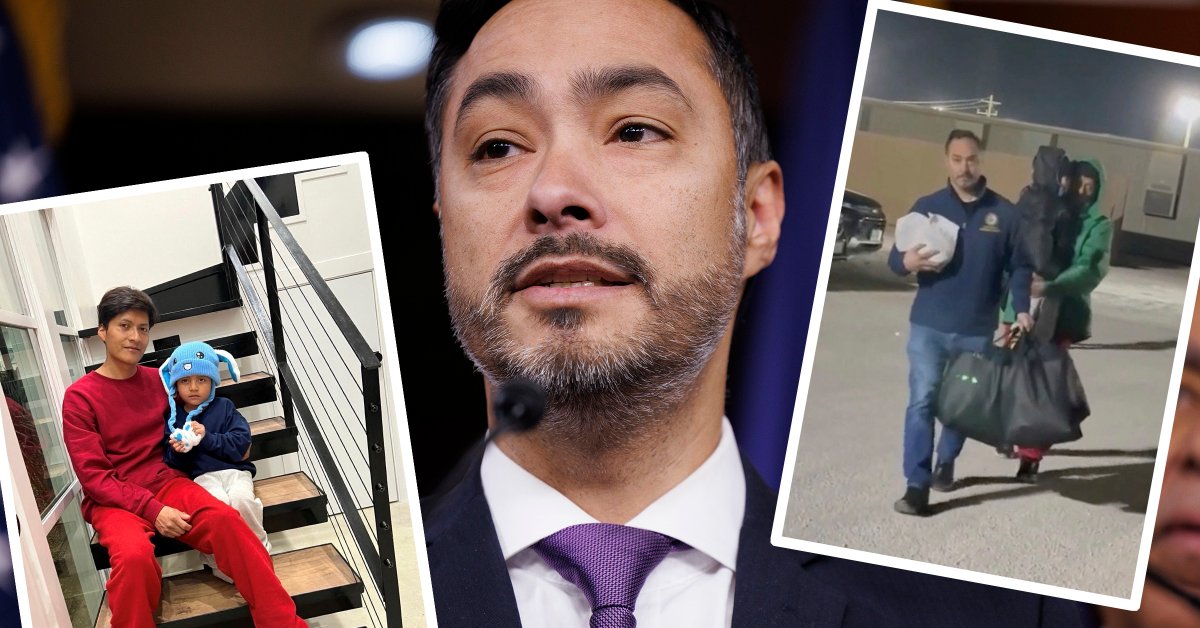
<p>Rep. Joaquin Castro visited the South Texas Family Residential Center in Dilley, Texas, a 2,400-bed facility run by CoreCivic, and said he has spoken with hundreds of children and parents detained there. Castro described conditions including a measles outbreak weeks earlier, reports of inadequate water quality and food, complaints from pregnant women about delayed medical care, and an allegation from a family that their daughter was sexually assaulted; he said his office is working with Dilley police and forwarded the allegation to the Department of Justice.</p><p>The Biden Administration stopped holding immigrant families at Dilley in 2021 and closed it citing cost and alternatives to detention. The federal government reopened it last year to detain women and families under President Donald Trump’s immigration crackdown. DHS states the facility is purpose-built for families and says pregnant detainees receive prenatal visits and support; DHS denied hiding pregnant women during Castro’s visit.</p><p>Castro said ICE has set aside hundreds of millions of dollars to buy large warehouses for expanded detention. He said Trump ended the CBP One appointment program and that ICE has used required check-in appointments to detain people while their immigration cases proceed.</p>