Norms Impact
Congestion Pricing Wins in Court After Lengthy Battle With Trump
A federal judge halted an illegal bid to kill congestion pricing after federal officials threatened to withhold funding and approvals—using federal power to coerce state policy outside lawful channels.
Mar 3, 2026
⚖ Legal Exposure
Sources
Summary
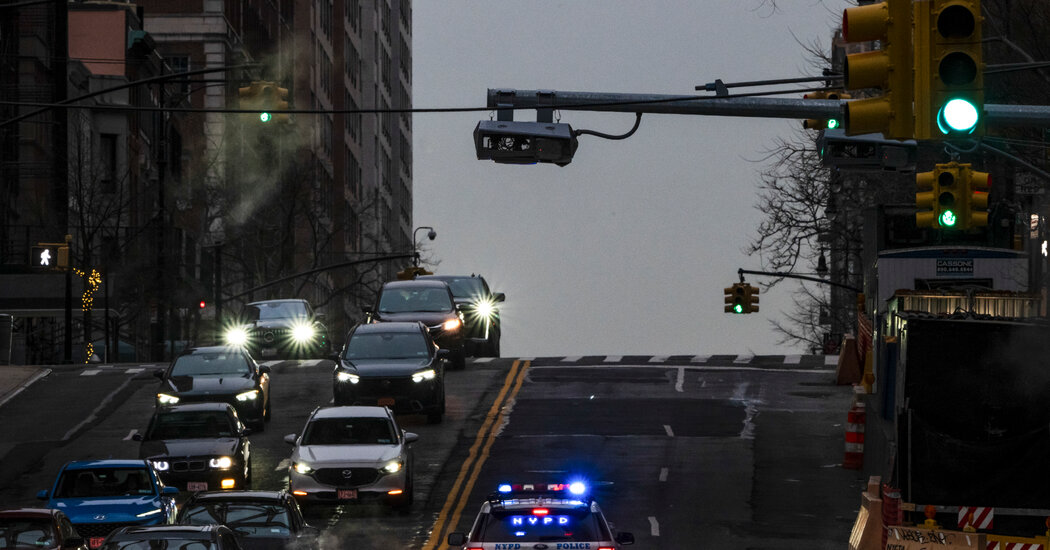
A federal judge ruled the federal government’s attempt to end New York’s congestion pricing toll was illegal. The decision blocks an effort by the Trump administration to use federal approval and funding leverage to force a state to abandon a lawful transportation program. For now, New York’s first-in-the-nation traffic reduction plan remains in effect while other legal challenges continue.
Reality Check
Federal leverage that conditions approvals and funding on political compliance weakens the guardrails that separate lawful oversight from coercion. When executive officials threaten to cut off unrelated infrastructure support to force a state to cancel a program, we normalize governance by ultimatum rather than by statute and accountable process. That precedent concentrates power in the executive branch by turning routine federal administration into a tool for punishment and control, degrading the rule-bound expectations that keep intergovernmental authority from becoming extortionate.
Legal Summary
A federal judge found the federal effort to terminate congestion pricing unlawful, and the article describes threats to withhold approvals and funding as leverage—creating a significant administrative-abuse/politicization exposure. However, the context provides no indication of payments, personal benefit, or a transactional quid pro quo, so criminal public-corruption theories are not supported on these facts. The primary exposure is civil/administrative illegality and potential improper coercion pending further evidence.
Legal Analysis
<h3>5 U.S.C. § 706 (APA — arbitrary/capricious; not in accordance with law)</h3><ul><li>Article states a federal judge ruled the federal government’s attempt to end New York’s congestion pricing toll was illegal, indicating potential unlawful agency action rather than a criminal scheme.</li><li>Threats to withhold “approval and funding” to unrelated highway/transit projects to force cancellation suggest coercive leverage and potential abuse of administrative discretion; the opinion’s length (149 pages) implies substantial procedural/substantive defects.</li></ul><h3>18 U.S.C. § 242 (Deprivation of rights under color of law) — high bar</h3><ul><li>The described conduct involves federal pressure over funding/approvals, but the article does not allege targeted deprivation of a specific individual’s federal right with willful intent; this appears primarily an intergovernmental policy dispute litigated under administrative law.</li></ul><h3>18 U.S.C. § 201 (Bribery of public officials) / 18 U.S.C. § 1346 (Honest services fraud) — structural corruption screen</h3><ul><li>No facts in the article indicate any payment, personal benefit, or third-party thing of value tied to an “official act”; the dispute is framed as political/administrative pressure.</li><li>Absent money-to-action alignment or personal enrichment, the record described supports procedural/power-abuse concerns rather than a transactional quid pro quo.</li></ul><b>Conclusion:</b> The described conduct most strongly reflects a serious investigative red flag involving politicized or coercive use of federal approvals/funding (procedural/administrative abuse) rather than prosecutable structural corruption driven by personal enrichment or a quid pro quo.
Detail
<p>On Tuesday, Judge Lewis J. Liman of the Federal District Court in Manhattan issued a 149-page decision holding that the federal government’s attempt to end New York’s congestion pricing toll was illegal.</p><p>The ruling follows more than a year of efforts by the Trump administration to terminate the program. Gov. Kathy Hochul defended the toll plan as the White House argued it would harm the region’s economy, but did not offer evidence for that claim.</p><p>Months earlier, Judge Liman granted temporary protection to the toll program after Transportation Secretary Sean Duffy warned that the federal government would withhold approval and funding for a range of highway and transit projects in New York if congestion pricing was not canceled.</p><p>Other legal challenges to the program remain pending.</p>