Norms Impact
Congress Is Considering Abolishing Your Right to Be Anonymous Online
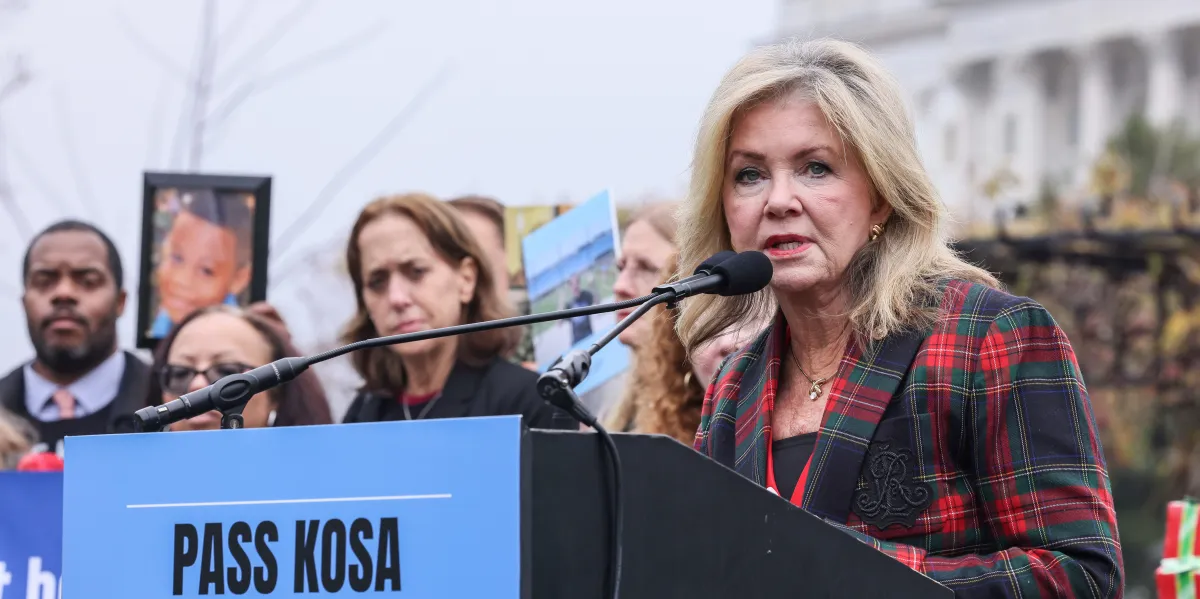
Congress is advancing “child safety” bills that functionally end anonymous speech by mandating identity-linked access and empowering state officials to censor lawful content as “harmful.”
Mar 5, 2026
Sources
Summary
A bipartisan package of roughly a dozen “child online safety” bills, including the Kids Online Safety Act, is moving forward in the House and would drive platforms toward identity- and age-verification systems that tie offline identity to online use. That shift would recast online access from a rights-protecting default into a permissioned system enforced through surveillance-ready data collection and state-level censorship authority. The practical consequence is a durable infrastructure for unmasking speakers, expanding subpoenas and data pipelines, and chilling lawful speech and organizing—especially for vulnerable communities and dissenters.
Reality Check
Normalizing identity-linked access to basic online speech builds a standing apparatus for surveillance and retaliation against lawful dissent. Once government policy pressures platforms and app stores to permanently bind real names to browsing and speech, subpoenas and censorship powers become routine tools of governance rather than exceptional measures. Empowering state attorneys general to police “harmful” content lowers the barrier to viewpoint suppression and turns private intermediaries into enforcement arms. Over time, our free-speech and due-process guardrails weaken as anonymity—an essential protection for whistleblowers, journalists, and vulnerable communities—becomes a revocable privilege.
Media
Detail
<p>In August 2024, the Biden administration hosted a Creator Economy Conference at the White House where senior adviser Neera Tanden criticized online anonymity and participants promoted regulation to force real-name use on social media, pointing to proposals such as the Kids Online Safety Act (KOSA).</p><p>A bipartisan package of about a dozen “child online safety” bills is advancing in the House of Representatives. The measures are described as requiring social media companies to implement age-verification systems to restrict minors’ access.</p><p>The context describes age verification as requiring collection of identifying information, such as government documents, payment data, or other identity-disclosing data, whether held by platforms or vendors. It also notes increased federal subpoenas seeking to identify anonymously run anti-ICE accounts.</p><p>KOSA is described as empowering state attorneys general to restrict content deemed “harmful to minors,” with groups like the Heritage Foundation stating plans to use it to target LGBTQ+ and abortion content. Lawmakers and committees are also amplifying proposals to shift verification to app stores or operating systems, including a law signed by California Gov. Gavin Newsom requiring ID verification for operating systems.</p>