Conservative Spin
Fed. Reserve holds interest rates steady for second straight meeting
Source
Claim
The Fed is holding rates mainly because Iran-related conflict and oil disruptions threaten inflation, making cuts unlikely until late 2026.
Facts
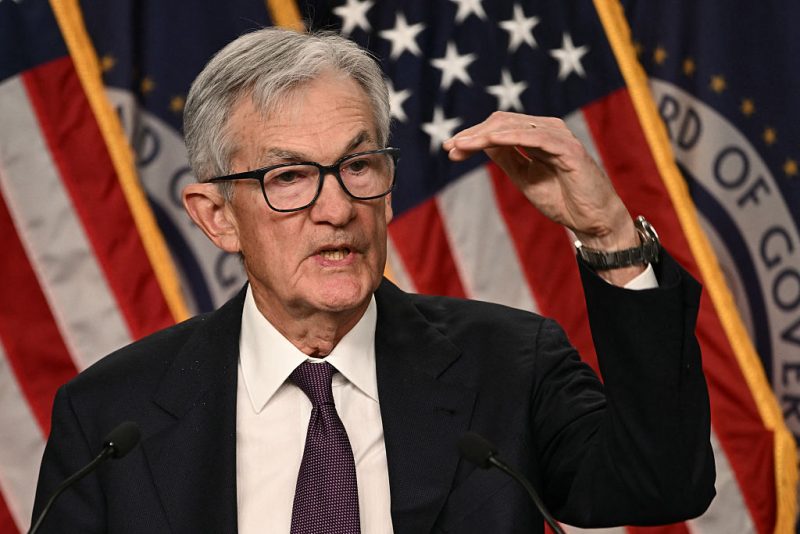
On Wednesday, March 18, 2026, Fed Chair Jerome Powell announced the Federal Reserve would keep interest rates unchanged for a second consecutive meeting.
The article says the Fed’s benchmark range remained at 3.5%–3.75% after three rate cuts in late 2025.
It reports the Summary of Economic Projections still points to one rate cut in 2026, with officials suggesting easing is more likely later in the year.
The article quotes Powell saying the rate forecast depends on economic progress and that a cut would not happen without that progress.
It says escalating Middle East conflict “effectively shuttered” the Strait of Hormuz and that gasoline prices surged.
Spin
OANN sells a standard central-bank decision through a geopolitical crisis lens—anchoring the rate hold to “the ongoing conflict in Iran” and an oil chokepoint narrative rather than leading with domestic inflation and labor-market conditions.
The piece leans on causal leaps and omitted context: it suggests the Iran/Middle East situation is a primary driver, but provides no concrete Fed language tying the decision to that conflict versus the usual mix of inflation data, employment, and financial conditions. It also drops a dramatic-sounding “shuttered Strait of Hormuz” claim without basic detail (duration, confirmation, market mechanics) that would justify the weight it’s given.
Net effect: readers are nudged to treat the Fed’s stance as a reaction to foreign turmoil (and, by implication, political weakness or chaos) instead of a conditional, data-based policy path with multiple plausible reasons for “hold now, maybe cut later.”
Active Tactic Breakdowns
Misleading Framing
7/10
The story makes the rate decision feel chiefly “about Iran” by placing that conflict up front as the key risk being weighed. That framing downplays the Fed’s usual stated drivers (inflation readings, labor-market balance, demand conditions, and expectations) and invites a single-cause interpretation.
Omitted Context
8/10
It references a conditional outlook and the SEP pointing to a cut in 2026, but doesn’t supply the key context readers need to evaluate the decision: what inflation is doing, what unemployment is doing, what “progress” means in practice, or what risks besides geopolitics are in play.
By spotlighting an oil chokepoint and “surging” gasoline as the centerpiece explanation, the article boosts a dramatic external factor to headline importance without showing it was central to the Fed’s decision-making at this meeting.
Causal Leap
8/10
It jumps from “conflict in Iran” and higher energy prices to the implied conclusion that rate cuts are therefore off the table until late in the year. The article doesn’t establish the chain from those events to the Fed’s actual policy calculus beyond suggestion.
The claim that easing is “unlikely until later in the year” is presented as an official-sounding expectation, but the only explicit basis provided is conditional language and a broad risk narrative. That reads more definitive than the support shown in the text.
What's Missing
Any concrete economic context that would normally justify “hold” versus “cut”—recent inflation trends, the labor market, growth, and financial-conditions indicators—so readers can see whether the pause is about data or just geopolitics.
Basic substantiation and scale for the Strait of Hormuz assertion (what exactly happened, for how long, confirmed by whom, and how much prices moved), plus whether Fed officials explicitly cited it as a decision driver.
Reality Check
A rate hold can be consistent with an expected cut later in the year; “conditional on progress” is central-bank speak for “we’ll move if the data move,” not a commitment driven by a single headline event.
Geopolitical risks and energy prices can affect inflation expectations, but treating that as the main explanation—without showing it was central to the Fed’s stated rationale—turns a routine policy update into a crisis narrative and oversimplifies why the Fed waits or acts.