Conservative Spin
Trump warns the U.S. will ‘massively blow up’ Iranian gas field if it attacks Qatar over Israeli strike
Source
OANN
Trump warns the U.S. will ‘massively blow up’ Iranian gas field if it attacks Qatar over Israeli strike
Claim
Trump’s account shows Iran unfairly attacked Qatar based on mistaken assumptions, and U.S. forceful threats are the necessary deterrent to stop further escalation.
Facts
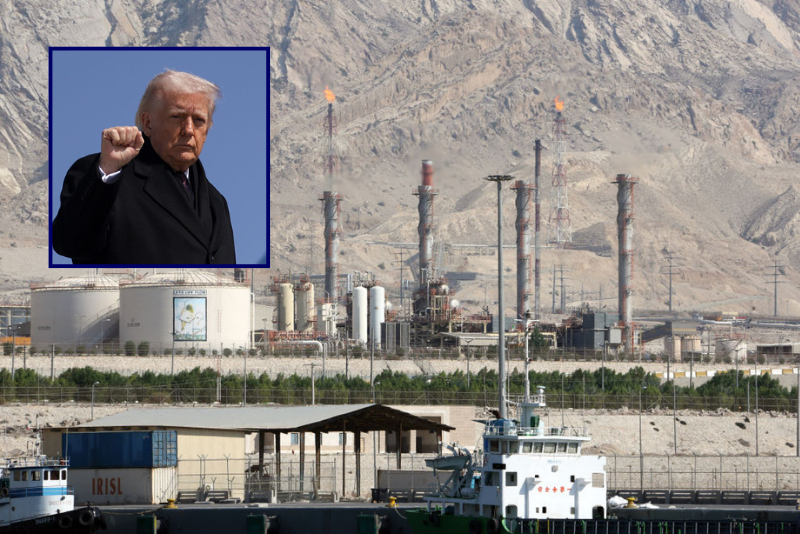
Donald Trump posted on Truth Social on Wednesday night warning Iran not to strike Qatar again and saying the U.S. would “massively blow up” an Iranian gas field if it did.
Trump said Israel struck Iran’s South Pars gas field, and that only a small section of the facility was hit.
Trump said the U.S. and Qatar were not involved in the Israeli strike and did not know it would happen.
Trump said Iran “attacked a portion of Qatar’s LNG gas facility” after assuming the U.S. and/or Qatar were involved.
Spin
The piece treats Trump’s Truth Social narrative as the central, near-complete account of who did what and why—then uses that as the basis for validating a maximal military threat.
It relies on omitted context (no independent confirmation of the alleged strikes or sequence), a causal leap (Iran “assumed otherwise” therefore Iran “unjustifiably” attacked), and emotional loading through vivid “wipe out” language and moral labeling.
By stacking Trump’s characterizations of Israel’s motives, Iran’s knowledge, and Qatar/U.S. non-involvement into a single storyline, readers are steered toward seeing the escalation as straightforward Iranian wrongdoing requiring overwhelming U.S. retaliation—without being shown the evidentiary footing.
Active Tactic Breakdowns
Misleading Framing
6/10
Trump’s claims are presented as explanatory fact rather than an interested political statement in a volatile conflict setting. The story frames the situation as settled—Israel hit a “small section,” Iran retaliated out of ignorance—without showing how those conclusions were verified.
Omitted Context
8/10
The article does not provide independent corroboration for the Israeli strike details, the alleged Iranian attack on Qatar’s LNG infrastructure, or the timeline beyond Trump’s post. It also omits any competing accounts, official statements from Qatar/Iran/Israel, or specifics that would let readers evaluate what “uninvolved” means in practice.
Causal Leap
7/10
The piece moves from “Iran assumed otherwise” to “unjustifiably and unfairly attacked” as if the assumption is established and the retaliatory action’s cause is known. That skips over alternative explanations (misidentification, intelligence claims, proxy actions, or disputed attribution) and treats motive and responsibility as already adjudicated.
Attribution and intent are conveyed with certainty (“Iran assumed otherwise”) without evidence beyond Trump’s characterization. The story presents a confident internal-state claim about Iran’s knowledge as though it’s a verifiable fact, not inference or rhetoric.
Emotional Loading
6/10
Phrases like “completely wipe out” and “massively blow up” are foregrounded to make overwhelming force feel like a proportional, stabilizing response. The moral wording (“unjustifiably and unfairly”) further primes readers to accept escalation as righteousness rather than a policy choice with risks.
What's Missing
Any independent reporting or sourcing beyond Trump’s post: confirmed damage assessments at South Pars, confirmed damage and location of the alleged strike on Qatar’s LNG facilities, and who attributed the attack to Iran.
Basic situational specifics that would change interpretation: dates/times, whether the strike was direct or via proxies, what “again” refers to, and what Qatar, Iran, Israel, and U.S. defense/diplomatic channels publicly said (or disputed).
Reality Check
What readers are getting is one politician’s narrative and threat, echoed as if it’s the definitive record of a complex incident. That is not the same as verified attribution, verified damage, or a confirmed timeline.
Even if the underlying events occurred, the jump from “Iran misunderstood” to “Iran is uniquely culpable and the U.S. should threaten to destroy energy infrastructure” is a framing choice. The missing verification and context are exactly what determine whether the response being sold is deterrence—or escalation.