Norms Impact
Democrats Ask Pam Bondi If Trump Is Under Active Investigation Related To Epstein
Withholding Epstein-linked FBI witness records while invoking secrecy grounds Congress cannot verify risks turning “ongoing investigation” into a shield for executive self-protection.
Feb 26, 2026
⚖ Legal Exposure
Sources
Summary
House Democrats are demanding that Attorney General Pam Bondi explain why the Justice Department has withheld FBI documents tied to a decades-old sexual misconduct allegation against President Donald Trump connected to the Epstein investigative record. The Justice Department is now “currently reviewing” whether to add the flagged material to its public Epstein document database while maintaining that withheld items are duplicative, privileged, or part of an ongoing investigation. The dispute centers on whether the government is concealing records under an asserted investigative rationale, leaving Congress and the public unable to verify what is being withheld and why.
Reality Check
Secretly withholding FBI witness records that implicate the sitting president—while dangling “ongoing investigation” as the explanation—sets a precedent where executive control over prosecutorial files can be used to block oversight and deny the public the basic right to know what government is doing in our name. If a “sham investigation” is being used as a pretext to keep materials secret, that conduct squarely raises abuse-of-power and obstruction concerns, including potential exposure under 18 U.S.C. § 1505 (obstruction of congressional proceedings) and § 1519 (concealment or falsification of records in federal matters). Even if no charge ultimately fits the facts, the norm being tested is existential: whether DOJ’s disclosure decisions can be weaponized to insulate the president from scrutiny while Congress is left to guess what evidence exists and what has been buried.
Legal Summary
Exposure is primarily procedural and oversight-related: potential improper withholding/mis-tagging of FBI interview forms and the risk that “ongoing investigation” claims could be pretextual. If DOJ officials knowingly used false rationales to block congressional oversight or conceal responsive records, obstruction/false-statement theories could become viable, but the article does not yet supply proof of intent or falsity. This is an investigative red flag rather than a clearly chargeable structural corruption case on the stated facts.
Legal Analysis
<h3>18 U.S.C. § 1505 — Obstruction of proceedings (Congressional/investigative obstruction)</h3><ul><li>Allegation: DOJ is withholding FBI interview forms (“missing” documents) potentially relevant to Epstein-related investigative materials while Congress is seeking answers; withholding as a pretext could constitute obstructive conduct if intended to impede Oversight Committee functions.</li><li>Key gap: Article describes a dispute over categorization/review (duplicates/privilege/ongoing investigation) and does not allege specific acts of concealment (e.g., destruction, false statements) or intent; however, use of a “sham investigation” rationale, if substantiated, would strengthen intent evidence.</li></ul><h3>18 U.S.C. § 1001 — False statements (to Congress/government processes)</h3><ul><li>Potential exposure if DOJ officials knowingly mischaracterized the basis for withholding (e.g., claiming duplication/privilege when not true, or asserting an “ongoing investigation” as a pretext) in communications that are material to congressional oversight.</li><li>Key gap: No definitive statement in the article is shown to be knowingly false; current posture is “reviewing” and conditional publication if mis-tagged.</li></ul><h3>5 U.S.C. § 552 (FOIA) / record-processing compliance (civil/administrative irregularity)</h3><ul><li>The dispute centers on whether documents were improperly withheld or mis-tagged from a public database of Epstein-related materials; improper withholding could create civil/compliance exposure and oversight consequences.</li><li>This is not, on the facts stated, a money-for-access/official-action pattern; it reads as a procedural transparency/records-management issue pending review.</li></ul><b>Conclusion:</b> The described conduct presents a serious investigative red flag around potential improper withholding and possible pretextual justifications, but the article does not establish a money–access–official-act quid pro quo or a complete obstruction/false-statement case without further evidence of intent and falsity.
Media
Detail
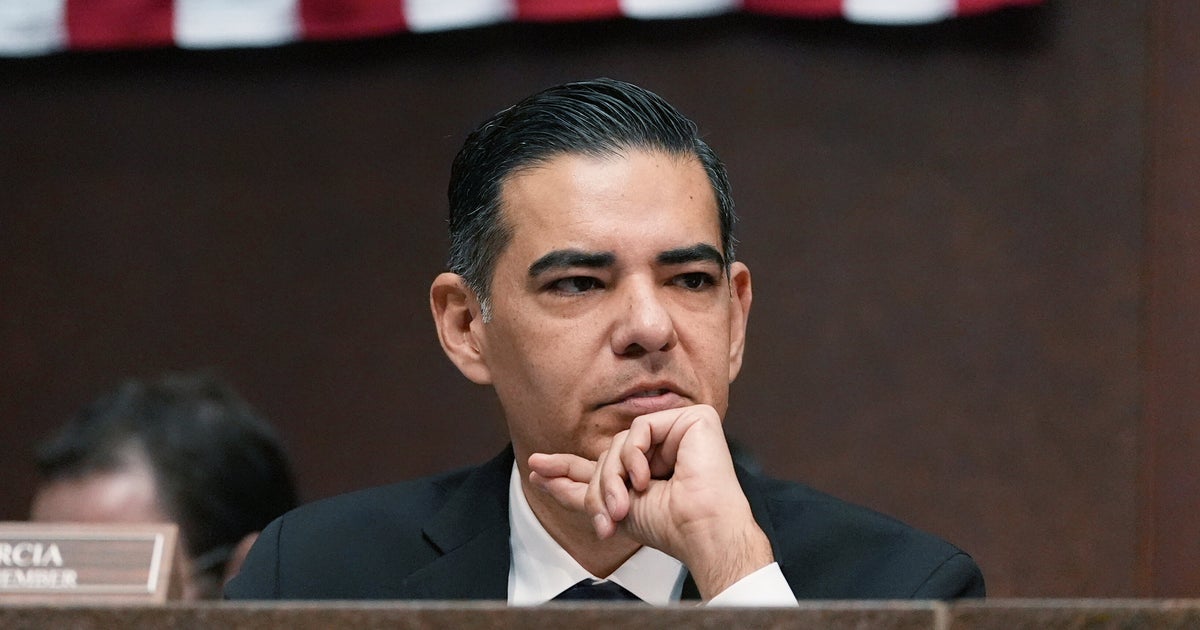
<p>Democrats are pressing Attorney General Pam Bondi to account for FBI documents they say the Justice Department has not published in its public database of Epstein-related records. The Justice Department stated Wednesday it is “currently reviewing” whether to add the material after individuals and news outlets flagged documents from discovery produced to Ghislaine Maxwell that appear to be missing.</p><p>Rep. Robert Garcia, the top Democrat on the House Oversight Committee, said missing FBI forms reflect agent interviews with a woman who alleged Trump sexually abused her as a minor. Garcia said he reviewed unredacted files in a congressional office set up for members and independently confirmed the department withheld the files. He wrote to Bondi warning it would be improper to use a sham investigation as a pretext to keep Epstein material secret, and said that if DOJ is actively investigating allegations against Trump, Congress and the public have a right to know immediately.</p><p>The controversy began after reporting noted serial numbers on a “Non-Testifying Witness Material” list from the Maxwell case suggesting multiple interviews, while only one interview summary appears in the public database.</p>