Norms Impact
Donald Trump cuts all US trade with Spain over Iran war dispute | The Jerusalem Post
We are watching presidential power turn U.S. trade into a coercive weapon against an ally for denying basing access, collapsing the norm that economic policy is not personal retaliation.
Mar 3, 2026
Sources
Summary
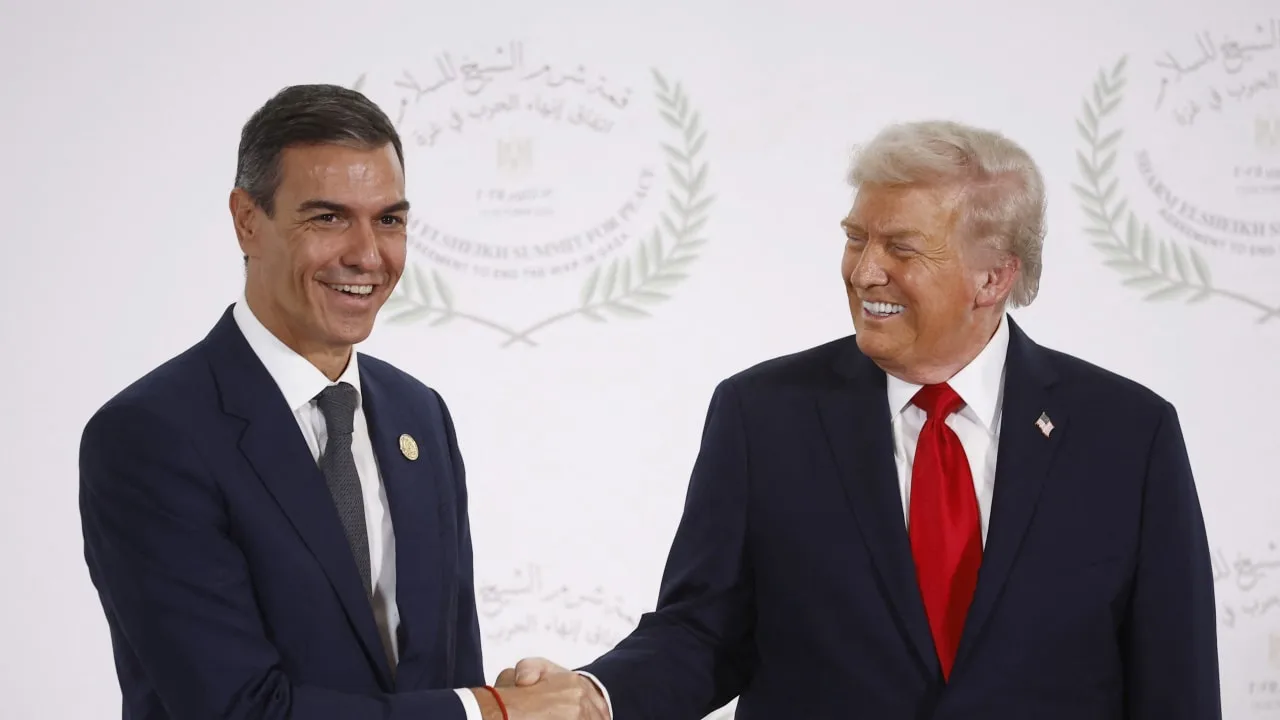
President Donald Trump said he ordered the United States to cut off all trade with Spain after Spain refused to allow U.S. military bases on its territory to be used for missions linked to strikes on Iran. The presidency is being used to impose a sweeping economic cutoff against a treaty ally in direct retaliation for a sovereign basing decision tied to questions of legal authority. The practical consequence is an abrupt weaponization of U.S. trade relations to coerce foreign policy compliance, with immediate spillover risk for diplomacy, markets, and alliance governance.
Reality Check
Normalizing blanket trade cutoffs as punishment for an ally’s lawful basing decision weakens the guardrails that separate national economic governance from leader-driven retribution. When the executive can threaten “all trade” to force military cooperation, our alliances become hostage to impulsive leverage rather than stable agreements and predictable rules. This precedent expands discretionary executive power over international commerce into a tool for coercion, eroding the reliability that underpins diplomacy and democratic accountability in foreign policy.
Detail
<p>During a meeting with German Chancellor Friedrich Merz, President Donald Trump told reporters that the United States would “cut off all trade with Spain,” and said he directed Treasury Secretary Scott Bessent to “cut off all dealings” with Spain.</p><p>The statement followed Spain’s refusal to permit U.S. forces to use the Rota and Moron military bases in southern Spain for missions linked to strikes on Iran. After Spain’s Socialist leadership communicated that position, the United States relocated 15 aircraft, including refueling tankers, from the two bases.</p><p>Spanish Foreign Minister Jose Manuel Albares said Spain would not allow the bases to be used because the offensive was not covered by Spain’s agreement with the United States and was not in accordance with the Charter of the United Nations.</p><p>The context described includes strained U.S.-Spain ties over migration, Spain’s refusal to commit to raising defense spending to 5% of GDP, and Spain’s prior refusal to allow vessels transporting weapons to Israel to dock in Spain.</p>