Norms Impact
Elon Musk
When a billionaire hands voters $1 million checks to shape a state Supreme Court race, we normalize cash-for-influence against the very institution meant to restrain power.
Mar 31, 2025
Sources
Summary
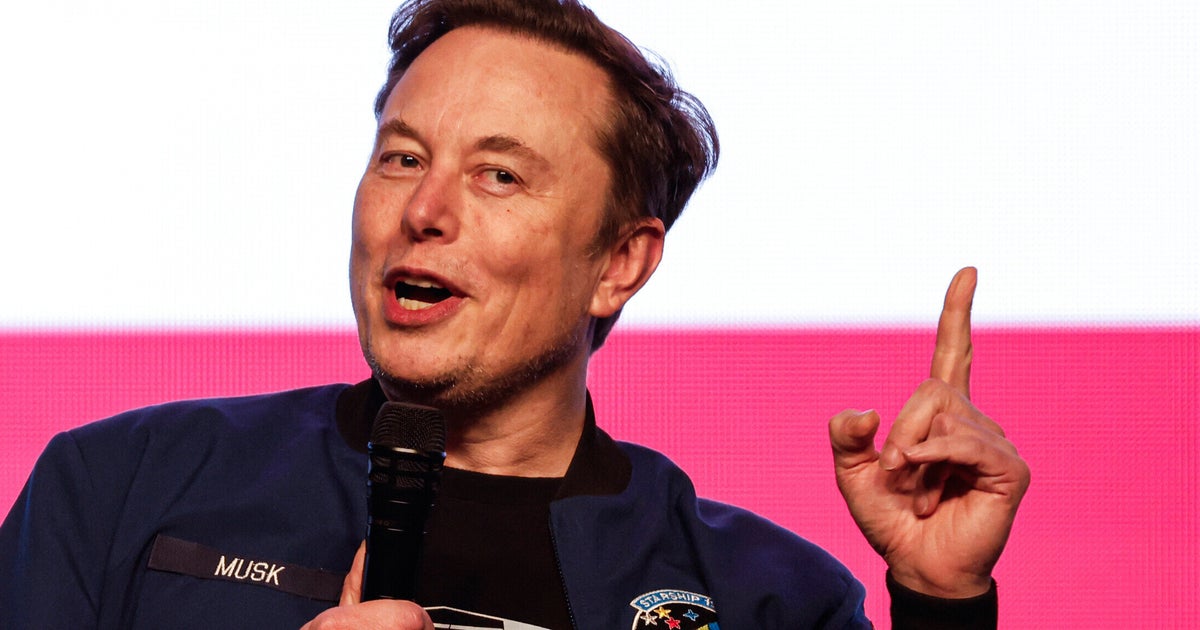
Elon Musk distributed two $1 million checks to voters at a Wisconsin event supporting conservative state Supreme Court candidate Brad Schimel and then blamed a heckler on “Soros operatives.”
A private billionaire used direct cash giveaways and large-scale spending to intervene in a judicial election that will determine the ideological balance of the state’s highest court.
The result is a public signal that court control can be pursued through personal fortune and spectacle rather than civic persuasion, tightening the feedback loop between money and legitimacy.
Reality Check
Normalizing million-dollar giveaways around a live judicial election sets a precedent that our courts can be purchased in public, weakening democratic stability and the practical value of each citizen’s vote. If the checks were conditioned on voting or electoral support, that conduct can implicate federal vote-buying and election-interference laws, including 52 U.S.C. § 10307(c) and 18 U.S.C. § 597; if not, it still corrodes the core anti–quid-pro-quo norm by placing personal wealth on the scale of judicial control. The Soros “operative” claim functions as a shield for the underlying act: redirecting scrutiny from the cash distribution to a conspiratorial enemy, while the real damage is the open conversion of elections into transactions.
Media
Detail
<p>On Sunday in Wisconsin, Elon Musk appeared at an event tied to the upcoming state Supreme Court election and publicly supported conservative candidate Brad Schimel. During the appearance, Musk handed out two $1 million checks to voters.</p><p>After a heckler interrupted him, Musk said it was “inevitable” that “at least a few Soros operatives would be in the audience,” added, “Give my regards to George,” and told the person to say “hi” to George Soros.</p><p>Reporting cited in the account described Musk as spending heavily in the race, including a stated $19.3 million in contributions supporting Schimel, while Soros was reported as giving $2 million to assist Schimel’s opponent, Susan Crawford. The race was described as one that will determine the ideological balance of Wisconsin’s highest court.</p>