Norms Impact
Even After Supreme Court Ruling, Trump Insists He Can Do as He Wishes
A president attacking Supreme Court justices to weaken their authority while quickly retooling the same tariffs turns separation of powers from a limit into a political obstacle.
Feb 20, 2026
Sources
Summary
President Trump publicly attacked Supreme Court justices after the Court ruled he exceeded his authority in imposing tariffs over the past year. The episode reflects a presidency asserting expansive executive power while seeking to delegitimize judicial limits on that power. In practice, the administration signaled it would re-route the same policy goals through narrower statutory tools rather than accept the Court’s boundary as a lasting constraint.
Reality Check
When a president tries to intimidate the Supreme Court after losing, we normalize a government where legal limits survive only at the pleasure of the executive—and our rights become contingent on who holds power. Nothing here, on its face, clearly fits a federal criminal statute: harsh rhetoric about justices is generally protected, and the conduct described is closer to institutional sabotage than chargeable “threats” absent specific intimidation under laws like 18 U.S.C. § 115. The deeper breach is governance: publicly branding justices as corrupted “foreign” tools while the administration “sometimes defied” court orders signals a willingness to treat judicial review as optional, hollowing out the constitutional check that protects citizens from unilateral rule.
Detail
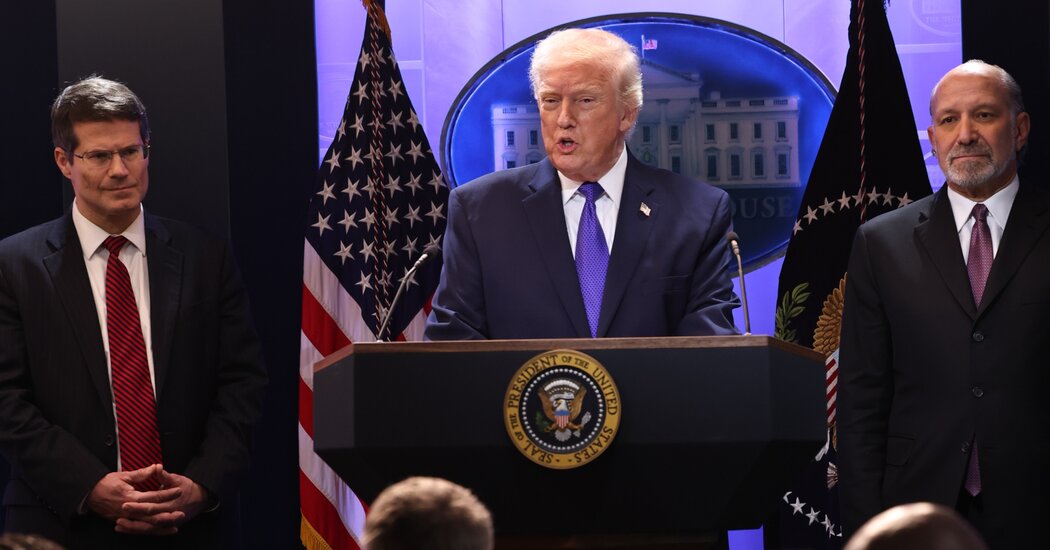
<p>On Friday, President Trump responded angrily to a Supreme Court decision holding that he had exceeded his authority in imposing an array of tariffs over the last year. He labeled justices who ruled against him “fools and lap dogs,” suggested they were corrupted by unspecified foreign influence, and called them “slimeballs.” He said he was “ashamed” of certain members of the Court and singled out Justices Neil M. Gorsuch and Amy Coney Barrett—whom he nominated during his first term—calling them “an embarrassment to their families” for siding with the majority.</p><p>The administration has consistently criticized and sometimes defied lower-court rulings it opposes. After the Supreme Court ruling, Trump did not indicate he would defy the decision and instead described alternative tariff pathways. He said the administration would use Section 122 to impose an across-the-board 10 percent tariff starting Tuesday, and use Section 301 to open investigations into unfair trade practices that could produce additional tariffs.</p>