Global economy must stop pandering to ‘frivolous desires of ultra-rich’, says UN expert
A UN-backed push to move beyond GDP and tax extreme wealth seeks to rewrite the rules of economic governance—challenging entrenched growth-first orthodoxy that has shaped public policy for decades.
Mar 3, 2026
Sources
Summary
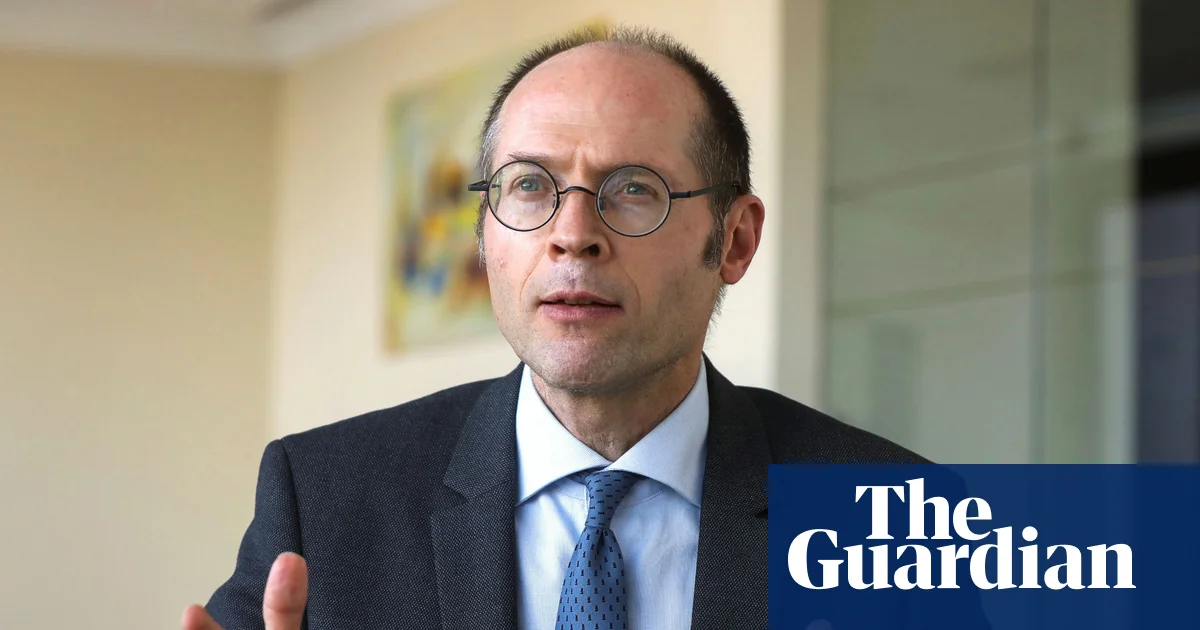
Olivier De Schutter, the UN special rapporteur on extreme poverty and human rights, called for reordering the global economy away from serving the consumption demands of the ultra-rich and toward meeting basic needs within planetary boundaries.
He said an emerging set of UN-linked initiatives could break longstanding institutional taboos about questioning growth, including a planned “roadmap for eradicating poverty beyond growth,” a UN secretary general initiative to replace GDP as the key success metric, and a G20 inequality panel report led by Joseph Stiglitz.
The practical consequence is a push to expand governments’ and multilateral institutions’ policy menu toward redistributive tools—such as wealth taxation, debt cancellation, job guarantees, and universal basic income—alongside a proposal for a permanent UN body to oversee inequality reduction.
Detail
<p>Olivier De Schutter said the global economy should prioritize meeting basic needs over consumption by the ultra-rich and argued that current growth-focused models worsen inequality and ecological collapse. He said he will publish a “roadmap for eradicating poverty beyond growth” in April, developed through an informal “beyond growth coalition” including UN agencies, academics, civil society, and unions.</p><p>He said the roadmap will align with two other efforts: an initiative instigated by UN secretary general António Guterres examining alternatives to GDP as the main measure of economic success, and a report by a G20 panel of independent experts on global inequality led by Joseph Stiglitz. De Schutter said these initiatives could enable senior figures to challenge growth-focused policy assumptions more openly.</p><p>He outlined policy options under consideration, including universal basic income, job guarantees, debt cancellation, and an extreme wealth tax. He also called for creating a permanent UN body, modeled on the IPCC, to gather evidence on inequality and policy tools to improve wellbeing without growth and reduce growth dependencies.</p>