Norms Impact
Iran Makes Veiled Threat to Trump: ‘Be Careful Not To Get Eliminated’
A president’s public vow to “obliterate” a foreign state in response to a personal assassination threat collapses national war powers into individualized retaliation, bypassing democratic guardrails.
Mar 10, 2026
Sources
Summary
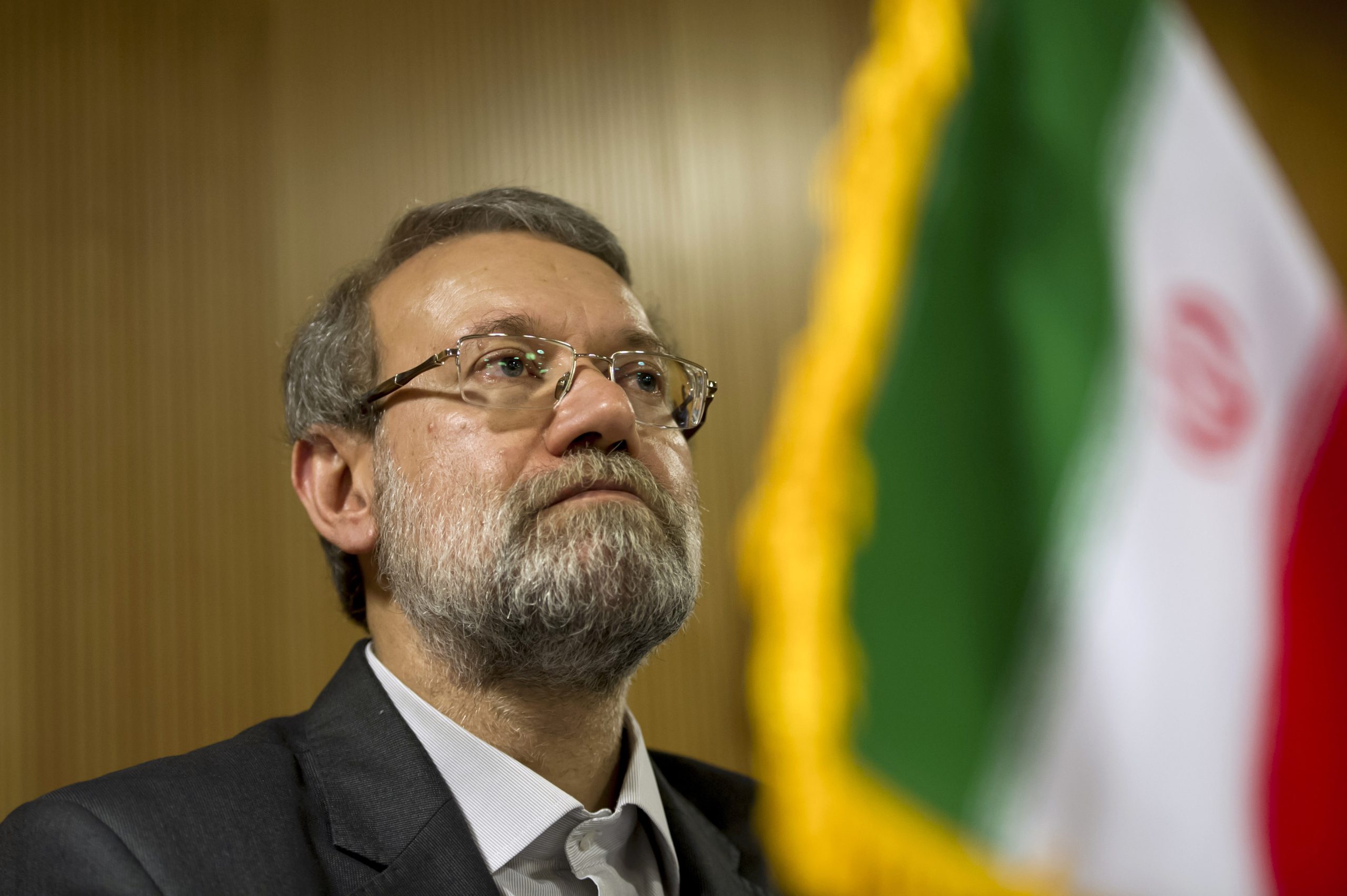
Ali Larijani, Iran’s top security official, posted a warning that Donald Trump should “be careful not to get eliminated” after Trump threatened massive U.S. strikes if Iran blocks oil shipments through the Strait of Hormuz.
The exchange places presidential war threats and personal assassination rhetoric into direct public signaling between national leadership, widening the space for escalation outside formal diplomatic channels.
The practical consequence is a higher risk of rapid military action and retaliatory violence tied to individualized threats rather than accountable, deliberative decision-making.
Reality Check
When presidential force is publicly framed as personal retribution—“obliterate” a country if an individual is harmed—we normalize war-making language untethered from accountable process. This precedent erodes the expectation that lethal state power is exercised through institutional deliberation rather than a leader’s personal directives and threats.
As these signals move onto social platforms and escalate in real time, the space for Congress, diplomacy, and transparent strategy shrinks, and the risk of rapid, irreversible military decisions grows. Our democracy’s guardrails weaken when the most consequential choices—war, retaliation, mass destruction—are conditioned as personal responses instead of governed acts.
Media
Detail
<p>Ali Larijani, identified as the head of Iran’s National Security Council and Secretary of Iran’s Supreme National Security Council, posted on X: “Iran doesn't fear your empty threats… Be careful not to get eliminated yourself.” The post followed Trump’s TruthSocial message warning that if Iran does not allow oil shipments to resume through the Strait of Hormuz, the U.S. would strike Iran “twenty times harder” and target sites he said would make it “virtually impossible for Iran to ever be built back.”</p><p>The context described includes a joint U.S.-Israeli attack on Iran entering its second week and a regional war following Israel’s assassination of Iran’s Supreme Leader Ali Khamenei on Feb. 28. Larijani previously said on Iranian television that he would hold Trump responsible for Khamenei’s death and is described as leading retaliatory strikes affecting Israel and Gulf countries.</p><p>The U.S. has accused Iran of past assassination attempts against Trump, which Iran has denied. Defense Secretary Pete Hegseth said a covert Iranian unit leader involved in planning an attempt was killed in a strike. Separately, U.S. prosecutions cited alleged Iran-linked plots targeting Trump and others.</p>