Norms Impact
Jared Kushner
The Senate just empowered a pardoned felon tied to the president’s family as a top diplomat, normalizing “access to the president” as a substitute for accountability and fitness for office.
⚖ Legal Exposure
Sources
Summary
Charles Kushner was confirmed by the U.S. Senate as ambassador to France and Monaco on May 19 by a 51–45 vote, after previously pleading guilty in 2005 to illegal campaign contributions, tax evasion, and witness tampering and later receiving a federal pardon. The confirmation formalizes a pattern of installing extended family and family-linked figures into sensitive executive posts where personal proximity to the president is treated as a governing asset. The practical consequence is a diplomatic appointment pipeline where “access to the president” can outweigh disqualifying misconduct histories, reshaping how our government signals credibility abroad and accountability at home.
Reality Check
When a president’s pardoned relative is elevated into high diplomacy, we are watching public office become a private asset—an abuse-of-trust template that corrodes equal citizenship and the credibility of our institutions. The confirmation itself is not likely criminal on these facts, but it weaponizes the pardon’s cleansing effect to override the ordinary safeguards that keep corrupt or coercive actors from representing the United States abroad. The underlying conduct described—illegal campaign contributions, tax evasion, and witness tampering—tracks core federal crimes (including 52 U.S.C. § 30122 and 18 U.S.C. §§ 371, 7201, 1512/1513), and the pardon’s political afterlife now becomes the enabling mechanism for reintegration into power. If we accept this as routine, we teach every future administration that personal loyalty and proximity can outlast felony conduct and still unlock state authority over our name.
Legal Summary
The confirmed ambassadorship for a close presidential in-law, combined with emphasis on “access to the president,” creates a significant integrity and appearance concern and warrants scrutiny as a politicized/nepotistic appointment. However, the article alleges no financial transfer, agreement, or concrete personal benefit exchanged for the appointment or pardon, so the conduct described is best classified as a serious investigative red flag rather than clearly prosecutable structural bribery on these facts.
Legal Analysis
<h3>18 U.S.C. § 201 — Bribery of public officials (quid pro quo)</h3><ul><li>The article describes a familial appointment (ambassador role) and notes a prior presidential pardon for the nominee, but it does not allege any thing of value given in exchange for an official act (appointment/pardon).</li><li>Without facts indicating a payment, benefit, or agreement tied to the nomination or pardon, core quid-pro-quo elements are not established on the face of the article.</li></ul><h3>18 U.S.C. § 1346 — Honest services fraud</h3><ul><li>Nepotistic-style appointments and “access to the president” themes raise governance and integrity concerns, but honest-services exposure generally requires bribery/kickbacks (or, historically, undisclosed self-dealing) anchored by a corrupt exchange.</li><li>The article provides no allegation of a bribe/kickback or concealed financial benefit linked to the appointment or other official action.</li></ul><h3>5 C.F.R. Part 2635 — Standards of Ethical Conduct (appearance / impartiality concerns)</h3><ul><li>Confirming close relatives of the president’s family into high-profile government roles can create appearance-of-impropriety and impartiality concerns, particularly when “access to the president” is emphasized.</li><li>These are primarily ethics/fitness and institutional integrity issues in the absence of transactional facts.</li></ul><h3>Prior criminal conduct (historical): Campaign finance/tax/witness tampering convictions</h3><ul><li>The article recounts the nominee’s 2005 guilty plea to illegal campaign contributions, tax evasion, and witness tampering, and related disbarment—serious criminal history but not newly alleged conduct tied to the ambassadorship.</li></ul><b>Conclusion:</b> The article supports a serious investigative red flag and ethics/integrity concern (nepotism/appearance and fitness), but it does not supply facts showing a money-for-official-action structure sufficient to charge bribery or honest-services corruption for the appointment or pardon based on this record alone.
Media
Detail
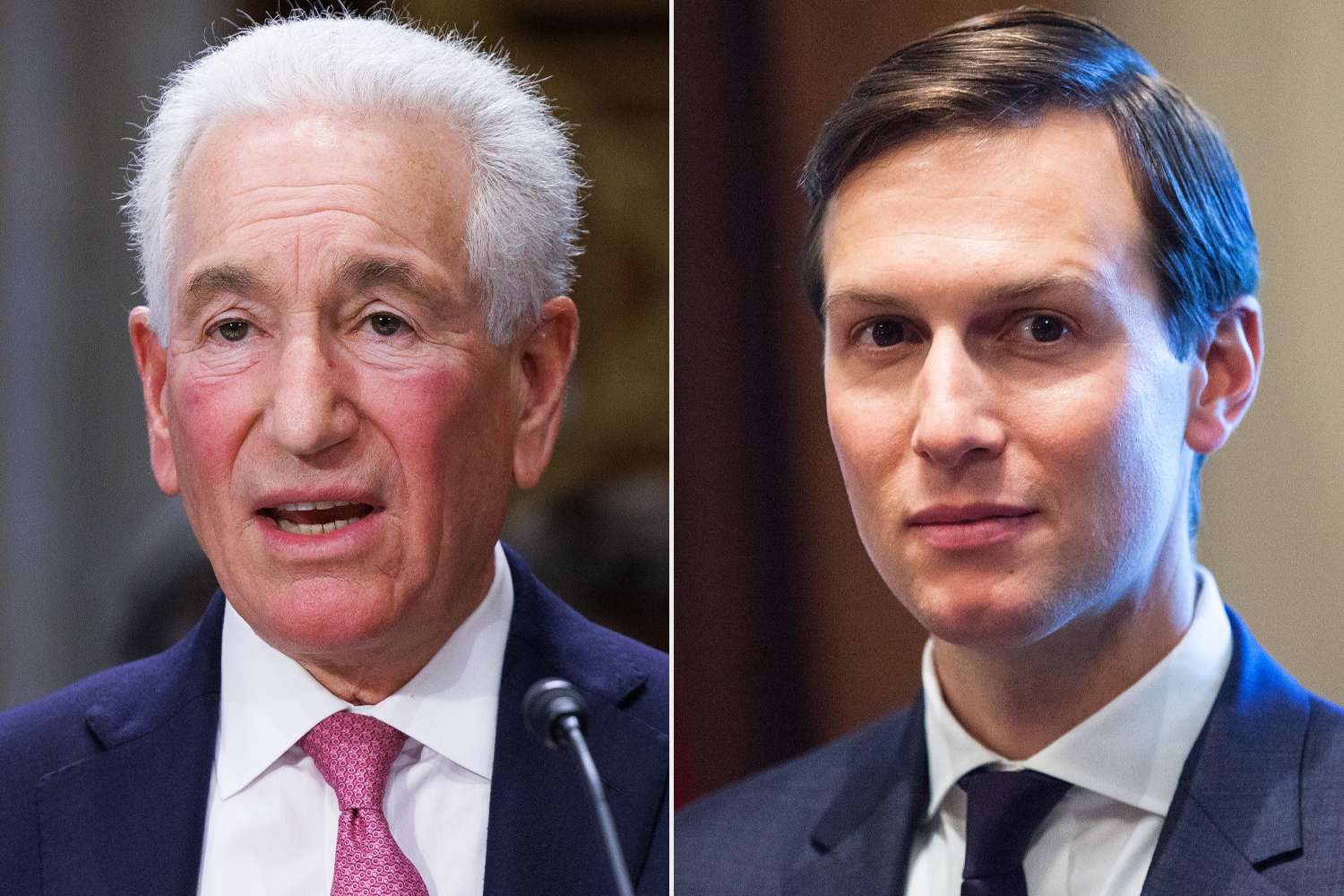
<p>On Monday, May 19, the U.S. Senate confirmed Charles Kushner as U.S. ambassador to France and Monaco by a 51–45 vote. Sen. Cory Booker was the sole Democratic vote in favor, and Sen. Lisa Murkowski was the only Republican vote against.</p><p>Kushner previously pleaded guilty in 2005 to 18 counts of illegal campaign contributions, tax evasion, and witness tampering. The witness tampering involved retaliation against his brother-in-law, William Schulder, who was cooperating with federal investigators, including a plan to hire a sex worker to seduce Schulder and send video evidence to Kushner’s sister, Esther. Kushner was sentenced to two years in prison, served 14 months in a federal prison in Alabama, and completed the remainder in a halfway house in Newark, New Jersey, before release in August 2006. He was disbarred and barred from practicing law in New Jersey, New York, and Pennsylvania.</p><p>At the end of President Donald Trump’s first term, Kushner received a federal pardon. During his confirmation hearing, Kushner told the Senate Foreign Relations Committee that his criminal history made him more prepared to serve and outlined goals including strengthening the U.S.–France defense relationship, revitalizing trade, and promoting Holocaust education.</p>