Norms Impact
Kash Patel Assigns FBI SWAT Team to Protect 27-Year-Old Girlfriend
Kash Patel’s reported use of FBI SWAT agents as a private security detail crosses a bright line between public law enforcement power and personal benefit.
Nov 17, 2025
⚖ Legal Exposure
Sources
Summary
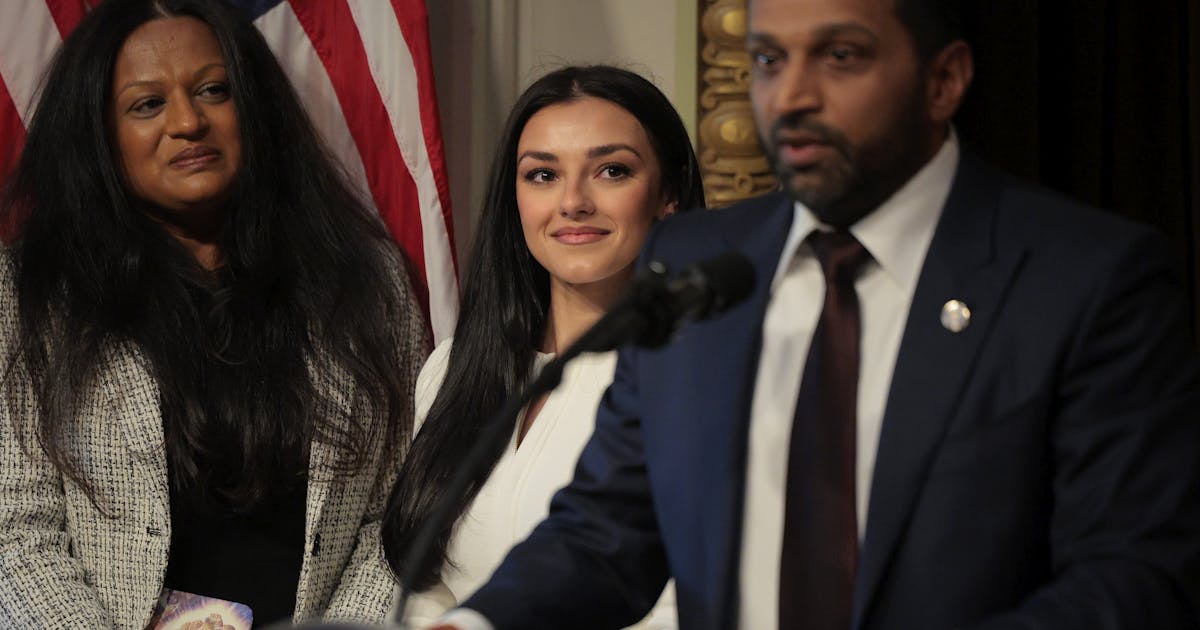
Kash Patel reportedly assigned FBI SWAT agents from the Nashville Field Office to protect his girlfriend, Alexis Wilkins. It reflects an expansion of personal security perks into operational deployments of federal law enforcement resources. The practical consequence is reduced availability of high-risk response capacity in Nashville and a precedent for private benefit from public force.
Reality Check
Using federal tactical agents as personal protection for a romantic partner weaponizes public force for private convenience, normalizing a government that serves the officeholder’s life before it serves our safety. On these reported facts, the cleanest exposure is not a slam-dunk street crime but a profound abuse-of-office pattern that can implicate federal misuse-of-funds and ethics frameworks, including 18 U.S.C. § 641 (conversion of government property/services) and 31 U.S.C. § 1301 (purpose statute) if resources were diverted outside authorized missions. Even if prosecutors decline, the precedent is corrosive: our law enforcement capacity becomes a personal perk, and the public pays twice—once in money and again in degraded emergency response.
Legal Summary
The allegations describe a pattern of using FBI and federal resources (SWAT protection and government jet travel) to benefit the director’s girlfriend, a private individual, indicating structural misuse of office for personal benefit. Even without an explicit quid pro quo, the alignment of official action and private benefit supports potential criminal theories (notably conversion of government services) pending investigation into authorization, threat justification, and reimbursement/records. This rises above mere ethics concerns because it involves material diversion of specialized operational assets away from public duties.
Legal Analysis
<h3>18 U.S.C. § 641 — Theft/Conversion of Government Property or Services</h3><ul><li>Allegation: FBI SWAT agents from the Nashville Field Office were assigned to protect the FBI Director’s girlfriend, a non-governmental private individual, in a manner described as unprecedented under FBI security protocols.</li><li>If true, diverting specialized agents from their official mission to private protection is a structural misuse of federal “services” and agency resources for personal benefit; loss to the government can be established through diverted labor and degraded public readiness (agents “would likely be unable” to respond to local crises).</li><li>Key factual gap: whether any lawful protective authority or formal threat-based justification existed; absence of such justification increases conversion/misapplication exposure.</li></ul><h3>18 U.S.C. § 208 — Acts Affecting a Personal Financial Interest (Conflict of Interest)</h3><ul><li>Allegation: Official action (assignment of an elite protective detail) was taken to benefit a romantic partner, indicating a conflict-driven use of position.</li><li>While §208 typically centers on “financial interest,” the described conduct strongly supports a conflict-of-interest theory and warrants investigation into whether the girlfriend’s professional activities (e.g., performances/events) were facilitated in a way that created economic benefit.</li><li>Gap: the article does not allege a specific financial stake or particular matter; exposure depends on whether an identifiable “particular matter” and financial interest can be shown.</li></ul><h3>5 C.F.R. Part 2635 (Standards of Ethical Conduct) — Misuse of Position / Use of Government Resources</h3><ul><li>Allegation: “Blatant misappropriation” pattern—SWAT protection for a girlfriend and prior use of a “$60 million government jet” to visit her and fly her back—indicates use of public office for private ends.</li><li>Using official authority to confer nonpublic, in-kind benefits (security and government travel) to a personal relationship is a classic misuse-of-position fact pattern.</li></ul><h3>31 U.S.C. §§ 1341, 1342 (Anti-Deficiency Act) — Unauthorized Expenditures / Voluntary Services (Administrative/Referral Risk)</h3><ul><li>Allegation: Assignment of specialized agents and use of government aviation for personal purposes suggests expenditures and resource commitments outside authorized purposes.</li><li>These are commonly treated as administrative violations but can function as corroboration of broader conversion/misapplication theories.</li></ul><h3>18 U.S.C. § 1001 — False Statements (Contingent Exposure)</h3><ul><li>The article notes congressional concern about reimbursement for personal trips; if reimbursement claims, travel justifications, or security rationales were misrepresented in official records, §1001 exposure could attach.</li><li>Gap: no specific false statement is alleged here; this remains investigatory contingent.</li></ul><b>Conclusion:</b> The alleged conduct presents prosecutable structural misuse of government resources for personal benefit (private security and travel), not merely political irregularity; the core criminal exposure turns on whether any lawful protective/travel authorization existed and whether resources were knowingly diverted for private ends.
Media
Detail
<p>Two sources told MS NOW that a group of elite agents from the FBI Field Office in Nashville were assigned to provide protection for FBI Director Kash Patel’s girlfriend, country singer Alexis Wilkins. The sources said the agents are typically responsible for responding to high-risk situations and would likely be unable to respond to a crisis in the Nashville area while assigned to protective duty.</p><p>People familiar with FBI security protocols told MS NOW they had not heard of a top FBI official’s girlfriend receiving a government-staffed security detail. The report follows prior scrutiny of Patel’s travel, including use of a $60 million government jet to visit Wilkins at a Penn State wrestling event and then fly her back to Nashville, and concerns from lawmakers about whether he reimbursed the government for personal trips while commuting to Washington and maintaining a legal residence in Las Vegas.</p>