Norms Impact
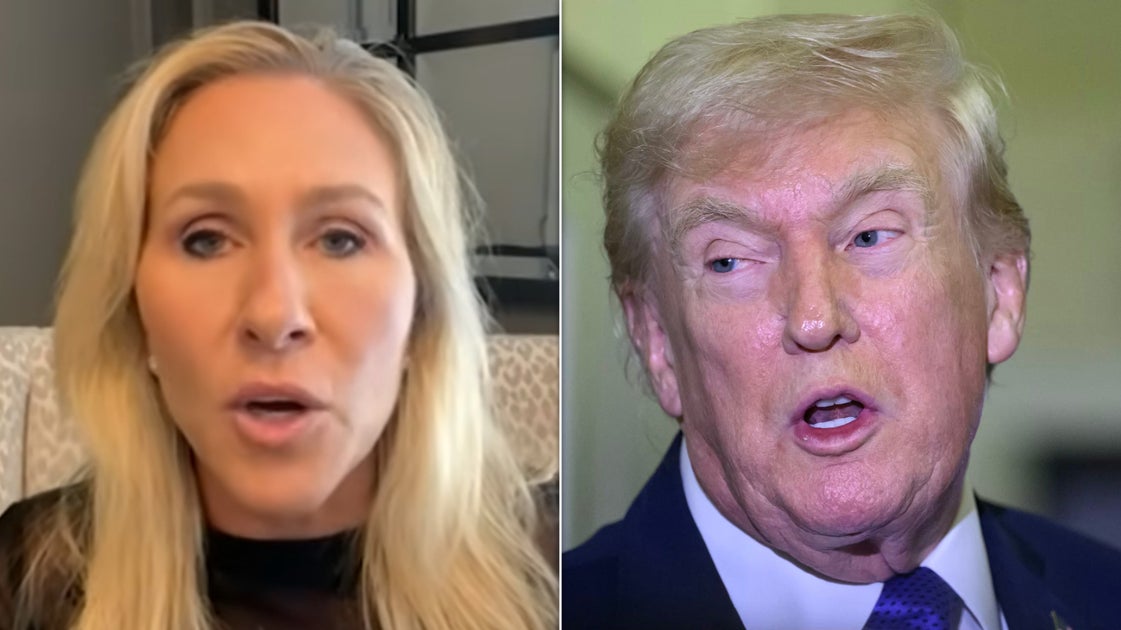
Marjorie Taylor Greene Says Trump Pressured Her To Stop Exposing Epstein Files
A president allegedly leaned on members of Congress to abandon a lawful discharge petition, treating transparency over federal investigative files as something to suppress for “friends.”
Feb 18, 2026
⚖ Legal Exposure
Sources
Summary
Marjorie Taylor Greene says President Donald Trump called her and demanded she stop backing a discharge petition to force a House vote compelling the Justice Department to release files related to Jeffrey Epstein. The allegation describes the presidency being used to pressure sitting members of Congress to abandon a transparency mechanism after it had been formally invoked. If true, it signals that access to federal investigative records can be treated as a political lever, subordinating congressional oversight to personal and factional protection.
Reality Check
This is how oversight dies in real time: executive power used to intimidate lawmakers into withdrawing a formal transparency tool, not for national security but to shield a president’s “friends.” If Greene’s account is accurate, the conduct fits a classic abuse-of-office pattern and raises federal obstruction concerns under 18 U.S.C. § 1505 (obstruction of congressional proceedings) and 18 U.S.C. § 1512 (witness/tampering-style interference), even if proving corrupt intent would hinge on the details of the pressure campaign. Criminal or not, a president demanding silence to protect associates is an anti–rule-of-law precedent that tells every future administration it can bargain away our right to accountable government.
Legal Summary
The reported conduct reflects a significant investigative red flag: presidential/White House pressure on lawmakers to abandon an effort to force DOJ transparency, coupled with a stated motive that “friends will get hurt.” This supports potential obstruction/abuse-of-power theories if tied to impeding an identifiable DOJ process, but the article lacks facts showing a specific pending proceeding, corrupt threats, or transactional structure sufficient for likely criminal charging on its face.
Legal Analysis
<h3>18 U.S.C. § 1505 — Obstruction of proceedings before departments/agencies</h3><ul><li>Allegation: The President and the White House applied months-long pressure on members of Congress to withdraw support for forcing DOJ transparency regarding “Epstein files,” including a direct call urging Greene to stop because “my friends will get hurt.”</li><li>Exposure theory: If the pressure campaign was aimed at impeding or influencing DOJ action (release/withholding of agency records) rather than merely legislative strategy, it raises an obstruction red flag tied to protecting third parties.</li><li>Key gap: The article does not establish a specific pending “proceeding” or formal agency process that Trump corruptly sought to influence, only a political dispute over release/transparency.</li></ul><h3>18 U.S.C. § 1512(b) — Witness tampering / intimidation (attempt to hinder communication)</h3><ul><li>Allegation: “Pressure” on lawmakers and a heated presidential call seeking to stop Greene’s effort to publicize DOJ files could be viewed as an attempt to deter further action that would facilitate exposure of alleged misconduct by “friends.”</li><li>Key gap: No facts indicate threats of unlawful harm, coercion, or intent to prevent reporting to law enforcement; the conduct described is political pressure and argument.</li></ul><h3>18 U.S.C. § 371 — Conspiracy to defraud the United States (impairing lawful government functions)</h3><ul><li>Allegation: Coordinated pressure attributed to the White House and the Speaker to get members to remove their names from a discharge petition could, if tied to impairing DOJ transparency functions for improper reasons, raise a defraud-the-U.S. theory.</li><li>Key gap: The article provides no evidence of an agreement, deceitful means, or specific unlawful objective—only claimed political pressure to stop a disclosure effort.</li></ul><h3>Ethics / abuse-of-power risk (non-statutory framing)</h3><ul><li>The alleged rationale (“my friends will get hurt”) suggests a personal/associational motive to suppress embarrassing information, supporting an investigative inference of abuse of office even absent a financial quid pro quo.</li></ul><b>Conclusion:</b> The article describes politically directed pressure to block disclosure, with stated concern about protecting “friends,” creating a serious investigative red flag for obstruction-type abuse of power, but it does not supply the concrete elements (pending proceeding, corrupt means, explicit threats) needed to charge based on these facts alone.</p>
Media
Detail
<p>In a Feb. 15 appearance on Jillian Michaels’ “Keeping It Real” podcast, Rep. Marjorie Taylor Greene said she and three other Republicans—Reps. Thomas Massie, Lauren Boebert, and Nancy Mace—signed a discharge petition intended to force a vote on releasing Justice Department files concerning Jeffrey Epstein.</p><p>Greene said they faced pressure “for months” from the White House and House Speaker Mike Johnson to remove their names from the petition. She alleged the White House pressured Mace, brought Boebert into a Sensitive Compartmented Information Facility, and “nonstop” attacked Massie.</p><p>Greene said Trump called her in September, berated her for signing Massie’s petition, and told her, “Marjorie, my friends will get hurt.” Greene also said Trump publicly characterized the matter as a “hoax” and opposed engagement with women involved.</p><p>The White House did not respond to a request for comment. Greene previously told The New York Times that the September call was their last conversation and that Trump’s yelling could be heard on speakerphone in her office.</p>