Norms Impact
Noem will ensure the ‘right people’ vote in midterms and elect ‘the right leaders’
A cabinet secretary’s promise to ensure “the right people” vote signals federal power drifting from protecting elections to steering them—eroding the core norm that voters choose leaders, not leaders choosing voters.
Feb 15, 2026
⚖ Legal Exposure
Sources
Summary
Kristi Noem said the Department of Homeland Security has responsibility for election security and that she would ensure the “right people” are voting to elect “the right leaders.” The statement asserts an expanded federal role for DHS in identifying election “vulnerabilities” and implementing “mitigation measures” affecting state and national election administration. The practical consequence is a heightened risk that federal executive power is used to shape voter access and election procedures ahead of the midterms.
Reality Check
Threatening to use DHS’s “critical infrastructure” mantle to ensure “the right people” vote is a blueprint for executive manipulation of ballot access—once normalized, it can be turned against any citizen’s right to participate. On these facts, the conduct reads less like a clean criminal case than an anti-democratic abuse-of-office risk, because the statements describe influence and “mitigation measures” without a specific corrupt exchange or falsification. If federal resources were actually deployed to intimidate, deter, or target lawful voters, the legal danger escalates fast under 18 U.S.C. § 241 (conspiracy against rights) and 52 U.S.C. § 10101(b) (intimidation or coercion in voting), and any attempt to bypass Congress by unilateral mandate would invite immediate constitutional and statutory challenge. Our system survives only if election administration is constrained by law and neutral standards, not by a leader’s idea of “right” voters and “right” outcomes.
Legal Summary
The reported statements create a serious investigative concern that DHS authority could be politicized toward election outcomes (“right people”/“right leaders”), which may implicate voting-rights and election-interference statutes if converted into concrete actions. However, the article does not allege specific directives, removals, intimidation, or implemented measures, so current exposure is best characterized as a procedural/politicization red flag pending further evidence.
Legal Analysis
<h3>18 U.S.C. § 242 — Deprivation of rights under color of law</h3><ul><li>Alleged facts indicate DHS leadership discussing ensuring the “right people” vote and implementing “mitigation measures” for elections at state and national levels, which—if operationalized to burden or exclude eligible voters—could implicate voting-rights deprivation under color of federal authority.</li><li>Key evidentiary gap: the article does not describe concrete actions taken (e.g., directives, targeting criteria, removals, or enforcement steps) or discriminatory intent; exposure turns on whether rhetoric translates into conduct affecting lawful voters.</li></ul><h3>52 U.S.C. § 20511 — Election fraud / false registration / intimidation (federal elections)</h3><ul><li>The context includes pressure for nationwide photo-ID requirements and roll maintenance aimed at non-citizens; if implemented in a way that knowingly causes unlawful removals or deters eligible voters, it could raise investigatory concerns under federal election integrity and anti-intimidation provisions.</li><li>Gap: no allegation of fraudulent registrations, intimidation tactics, or knowing unlawful removals—only proposed/claimed authority and public statements.</li></ul><h3>5 U.S.C. § 7323 (Hatch Act) — Political activity by federal employees</h3><ul><li>Statements about ensuring elections produce “the right leaders” could be viewed as partisan electioneering inconsistent with neutrality expectations for executive-branch officials, particularly if made in an official capacity at a press event.</li><li>Gap: the article does not specify whether the remarks were made in a context that qualifies as prohibited political activity under applicable Hatch Act rules for the official.</li></ul><h3>18 U.S.C. § 595 — Interference by administrative employees of Federal, State, or Territorial Governments</h3><ul><li>Publicly framing DHS’s role as ensuring “the right leaders” could suggest potential misuse of official authority to affect an election outcome, which warrants scrutiny if followed by actions using federal resources to influence voting.</li><li>Gap: no described use of federal funds/resources to coerce political activity or to interfere with voting; presently a procedural/politicization red flag rather than a chargeable case.</li></ul><b>Conclusion:</b> The article supports a serious investigative red flag of politicized, outcome-oriented rhetoric around election “mitigation” by a federal cabinet official, but it lacks specific operational acts or transactional structure needed for likely criminal exposure on the present record.
Detail
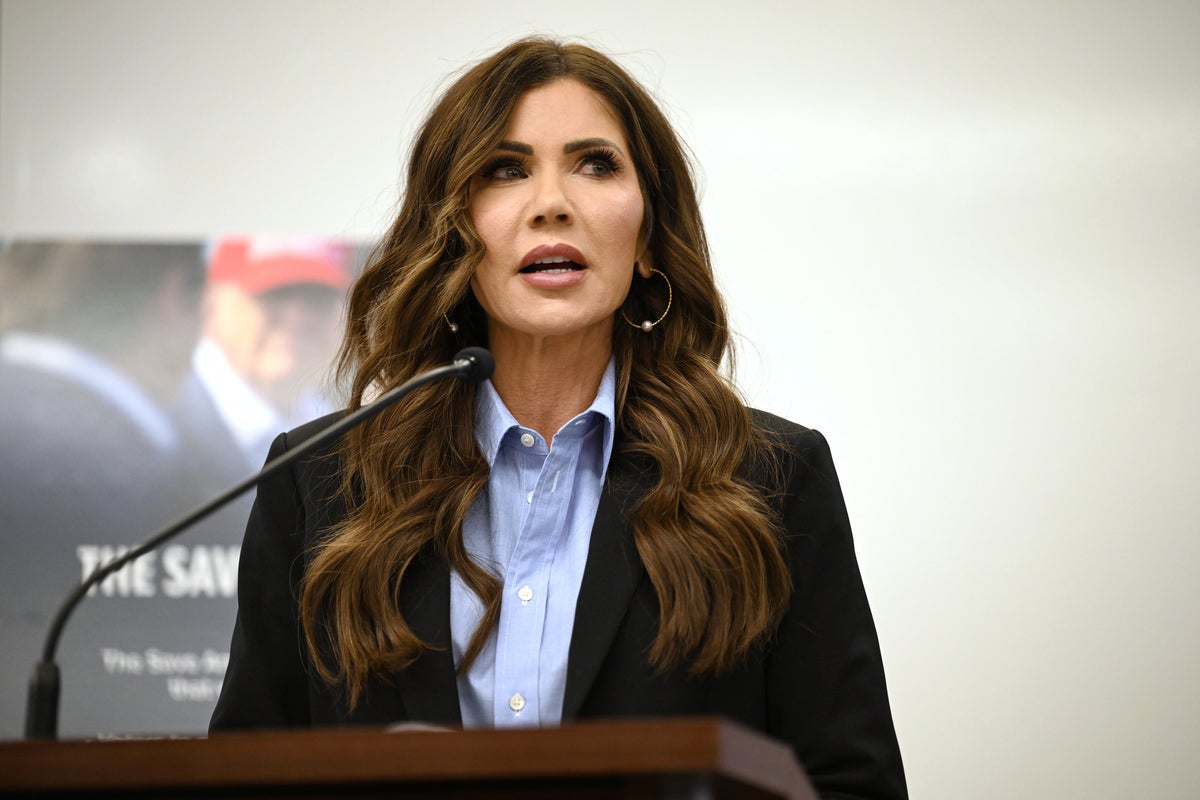
<p>At a Friday press conference in Arizona, DHS Secretary Kristi Noem said election security is among her “critical infrastructure responsibilities” and stated she would be proactive to ensure “the right people” are voting and “electing the right leaders.”</p><p>Noem said she had authority to identify “vulnerabilities” in the election system and implement “mitigation measures” so elections are “run correctly” at both state and national levels. Her remarks drew public criticism, including from Senate Minority Leader Chuck Schumer and House Democrats focused on homeland security.</p><p>The comments followed House passage of the SAVE America Act, which would require proof of U.S. citizenship to register for federal elections through a photo ID and would require states to remove non-citizens from electoral rolls; the bill still must pass the Senate. The same day, President Donald Trump posted that there “will be Voter I.D. for the Midterm Elections, whether approved by Congress or not,” suggesting an executive order to require photo ID.</p>